Why Choosing the Right Neck‑Pain Specialist Matters
Neck pain is not a minor inconvenience—it is a widespread health challenge. It affects between 10% and 21% of adults each year, making it the fourth leading cause of disability worldwide. Chronic discomfort can interfere with work, sleep, and daily activities, which makes selecting a qualified specialist a critical decision.
Understanding a Patient-First Philosophy
The Orthopedic Spine Institute of St. Louis (OSISTL) operates on a clear principle: start conservatively, and only consider surgery when it is truly necessary. This patient-first approach prioritizes at-home care, physical therapy, and targeted injections before escalation. Choosing a specialist who shares this philosophy ensures you are not rushed into unnecessary procedures and that your long-term health is the priority.
The Risk of Generic Promises
The internet is full of clinics offering “cure-alls” for neck pain. These dangerous generalizations often mask a one-size-fits-all approach. A qualified specialist will never make such claims. Instead, they will conduct a thorough evaluation to identify the specific source of your pain—whether it is a herniated disc, muscle strain, or degenerative condition—before recommending a path forward.
The Power of Multidisciplinary Care
Lasting relief rarely comes from a single treatment. Effective care requires a team: a specialist who coordinates physical therapy, pain management, and, when necessary, minimally invasive surgery. Look for a provider who views your case through an integrated lens rather than in isolation. This collaborative strategy addresses all facets of your recovery, improving both short-term comfort and long-term function. Comparison Table: Neck-Pain Specialist Qualities
| Quality | Why It Matters | How to Verify It |
|---|---|---|
| Board Certification | Guarantees advanced training in pain medicine or orthopedics. | Check the ABPM, ABOS, or ABPMR online directory. |
| Patient-First Philosophy | Focuses on conservative care before surgery. | Ask about treatment sequence during consultation. |
| Multidisciplinary Care | Coordinated team addresses all pain sources. | Confirm access to PT, injections, and imaging. |
| Transparent Communication | Prevents misunderstandings about treatment goals. | Request a detailed, written care plan from the clinic. |
| Verifiable Experience | High case volume improves accuracy and outcomes. | Ask how many neck-pain patients the doctor treats monthly. |
Understanding the Care Pathway: From Primary Care to the Neck‑Pain Expert
What kind of doctor should I see for neck and shoulder pain?
Your journey begins with your primary care physician (PCP). They review your medical history, perform an initial exam, and recommend at‑home care or over‑the‑counter medications. For neck pain that persists beyond a few weeks or follows an injury, a PCP referral is the standard next step. Depending on your symptoms, they may refer you to a specialist, such as an orthopedic surgeon for structural issues or a neurologist if nerve problems like numbness or shooting pain are present.
Who is the best professional to see for neck pain?
The best specialist is one whose expertise matches your specific diagnosis. For back and neck pain, this could be a physiatrist for non‑surgical care, or a pain‑management physician for interventional procedures. A key quality signal is board certification in a specialty like orthopaedics or neurosurgery, plus fellowship training in pain medicine or spine disorders. This confirms advanced training and competence in treating cervical spine conditions.
The role of a coordinated care team
A qualified specialist rarely works alone. They collaborate with physical therapists to design strengthening and posture‑correction programs, with pain‑management physicians to offer injections, and with radiologists to interpret imaging like X‑rays or MRI. This integrated team ensures comprehensive evaluation and treatment, moving from conservative care to minimally invasive options only when necessary, reflecting a patient‑first philosophy.
Home Strategies for Rapid Relief
 Here are effective strategies you can use at home to find fast relief from neck pain, focusing on safe, evidence-based methods that complement professional care.
How to cure neck pain fast at home?
When neck pain strikes, the first step is gentle movement. Bed rest for more than a day can worsen stiffness. Try gentle stretching and mobility drills like slow head tilts, chin tucks, and shoulder blade squeezes. These exercises help lubricate the joints and relax muscle spasms without straining the spine.
Heat-and-cold application protocols are a powerful, drug-free tool. Use an ice pack on the sorest area for 20 minutes several times a day to reduce inflammation and numb sharp pain. After 48 hours, switch to a warm compress or take a warm shower to increase blood flow and relax tight muscles. Never apply heat or ice directly to the skin.
OTC NSAIDs and safe dosing can provide short-term relief. Ibuprofen or naproxen help manage pain and inflammation. Always follow the label instructions and do not use them for more than 10 days without consulting a doctor, as long-term use can cause stomach or kidney problems.
Posture optimisation for desk and sleep is often the missing link. While working, keep your computer screen at eye level and your shoulders relaxed. Avoid “tech neck” by holding your phone up rather than looking down. For sleep, use a single, supportive pillow that keeps your neck aligned with your spine, and avoid sleeping on your stomach. These simple adjustments reduce daily strain and help prevent recurrence. If your pain does not improve within a week, it is wise to schedule an appointment with a qualified neck pain specialist. Remember, these home strategies are for acute relief and should not replace a professional evaluation if symptoms persist.
| Strategy | How It Helps | Quick Tips |
|---|---|---|
| Gentle Stretching | Loosens tight muscles, increases range of motion | Perform slow head tilts and chin tucks. Stop if pain worsens. |
| Heat & Ice Therapy | Ice reduces inflammation; heat relaxes stiffness | Use for 20 minutes at a time. Never apply directly to skin. |
| OTC NSAIDs | Short-term pain and inflammation control | Follow dose limits. Use for less than 10 days without medical advice. |
| Posture Optimization | Reduces daily mechanical strain on the neck | Keep screens at eye level. Use a single, contoured pillow at night. |
Identifying Risk Factors and Red‑Flag Signals

What are risk factors for neck pain?
Neck pain often arises from modifiable lifestyle and occupational factors. Poor posture is a leading cause, especially from slouching over computers or smartphones, which strains muscles and joints. Occupations involving repetitive neck movements, heavy lifting, or prolonged desk work are common risk factors.
Age-related degenerative changes also play a significant role. Worn joints and bone spurs can develop over time, leading to conditions like osteoarthritis and spinal stenosis. A history of previous neck injuries, even minor whiplash from car accidents, can lead to persistent or chronic pain. Stress contributes by causing muscle tension and spasms. Other risk factors include smoking and carrying heavy bags on one shoulder.
What are the 5 D's for neck pain?
The "5 D's" are a set of red-flag symptoms that can signal a serious vascular issue, such as vertebral artery insufficiency, and demand immediate medical evaluation. These warning signs include:
| Warning Sign | Description | Urgency |
|---|---|---|
| Dizziness | A sensation of spinning or lightheadedness | Seek immediate care |
| Diplopia | Double vision | Seek immediate care |
| Dysarthria | Difficulty speaking or slurred speech | Seek immediate care |
| Dysphagia | Difficulty swallowing | Seek immediate care |
| Drop attacks | Sudden falls without loss of consciousness | Seek immediate care |
Other red-flag symptoms requiring urgent specialist evaluation include severe or unrelenting pain, pain following a traumatic event, progressive neurological deficits (like arm or leg weakness or balance problems), loss of bladder or bowel control, and unexplained weight loss or fever, which may indicate infection or malignancy.
When Conservative Care Isn’t Enough: Advanced Treatments and Credentials
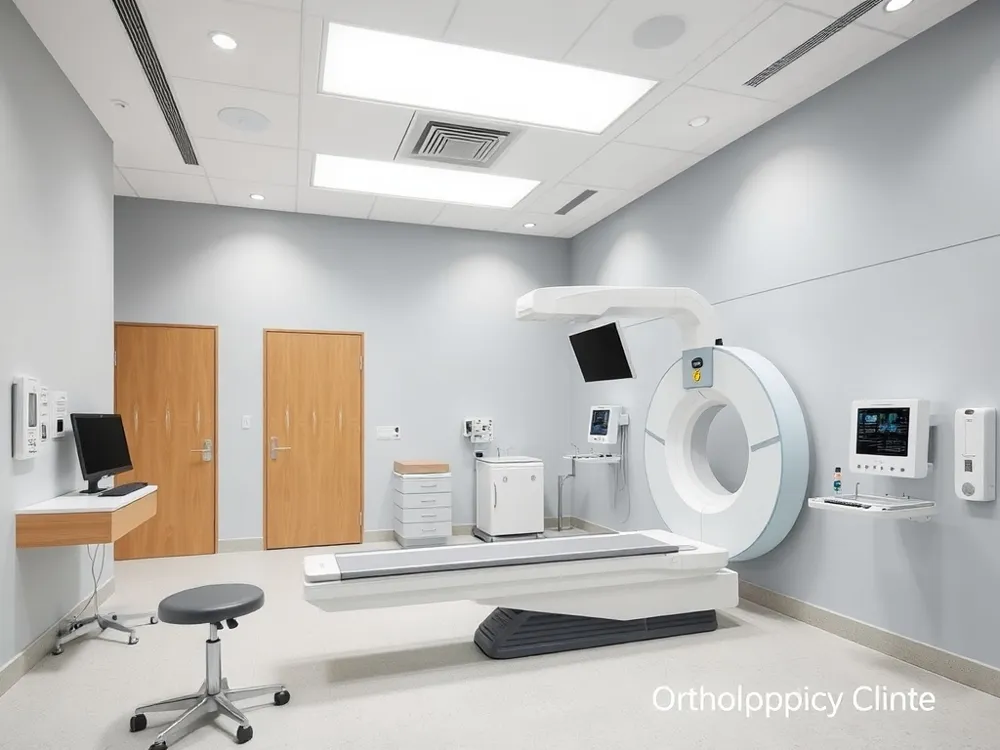 When at-home care and physical therapy don't provide sufficient relief, qualified neck-pain specialists offer advanced interventions. These procedures target specific pain sources with precision and can significantly improve function when conservative measures fall short.
What advanced interventional options do specialists offer?
A qualified specialist should be proficient in several image-guided, minimally invasive procedures. Common options include epidural steroid injections to reduce inflammation around compressed nerves, radiofrequency ablation to disrupt pain signals from facet joints, and spinal cord stimulation for persistent nerve-related pain. The ability to perform these procedures in an on-site fluoroscopic imaging suite ensures accuracy and safety. Ideally, a clinic offers these advanced treatments alongside standard care, providing a comprehensive range under one roof.
What credentials indicate a truly expert specialist?
Board certification is a critical marker, but a specialist’s training depth matters. Most undergo a 4-year residency in fields like anesthesiology or physiatry, followed by a 1-year ACGME-accredited pain management fellowship. An additional credential, the Therapeutic Pain Specialist (TPS) certification , demonstrates advanced knowledge in pain neuroscience and evidence-based, non-pharmacologic management. Look for a provider who coordinates care across a team, offering both interventional and surgical options only when necessary.
| Credential | Duration & Focus | Why It Matters |
|---|---|---|
| Medical Degree (MD/DO) | 4 years; foundational sciences | Required legal qualification to practice |
| Residency | 3-4 years; e.g., anesthesiology, PM&R | Core specialty training for pain diagnosis |
| Pain Medicine Fellowship | 1 year; interventional techniques | Subspecialty expertise in advanced procedures |
| Board Certification | Pass exam by ABPMR or ABA | Formal validation of specialist-level competence |
| TPS Certification | 6-month program; pain neuroscience | Excellence in evidence-based, non-opioid care |
Limited Mobility and Sleep‑Related Neck Pain: Causes and Relief
What causes restricted neck movement?
Restricted neck movement often stems from common, treatable causes. Muscle strains and ligament injuries are frequent culprits, often resulting from poor posture, like the "text neck" that develops from hunching over devices, or from sleeping in an awkward position.
Stress and muscle tension can also significantly reduce flexibility. Injuries such as whiplash from car accidents or falls are another common source. For many, the cause is age‑related cervical spondylosis, a form of arthritis that can stiffen the spine and lead to reduced range of motion.
In unusual cases, a dangerously stiff neck can signal meningitis, a serious infection. This is a medical emergency. A qualified specialist diagnoses the specific cause, ruling out serious issues before recommending a treatment plan.
How to relieve neck pain from sleeping wrong?
A step‑by‑step approach can effectively relieve morning stiffness from a bad sleeping position. During the first 24 hours, apply an ice pack to the sore area to reduce inflammation. After that, switch to a heating pad or take a warm shower to help relax tight, painful muscles.
Once the acute pain subsides, gentle neck stretches can help restore mobility. Slowly tilt your head side to side and forward and backward, but avoid any jerky or forceful movements. Over‑the‑counter pain relievers can ease discomfort.
| Strategy | How it Helps | When to Use |
|---|---|---|
| Ice Pack | Reduces inflammation and numbs pain | First 24 hours after pain starts |
| Heat (Heating pad / warm shower) | Relaxes tight muscles and improves blood flow | After the first 24 hours or for ongoing stiffness |
| Gentle Stretching | Restores mobility and range of motion | Once acute pain lessens; avoid if sharp pain occurs |
| Supportive Pillow | Maintains a neutral neck and spine alignment during sleep | Use nightly to prevent recurrence |
| OTC Pain Relievers | Eases general discomfort | As needed, following label directions |
A supportive pillow that keeps your neck in a neutral alignment is essential for preventing future problems. If symptoms do not improve within a few days, or if you experience numbness, fever, or other concerning signs, consult a specialist to rule out more serious conditions.
Putting It All Together: Making an Informed Choice
Navigating the crowded market of neck-pain providers can feel overwhelming, but a clear checklist simplifies the process. Prioritize these essentials when evaluating a specialist:
- Credentials: Verify board certification in pain medicine, orthopedics, or neurosurgery, plus fellowship training in spine disorders. Licensing and insurance are non-negotiable.
- Experience: Look for a high volume of successfully treated neck conditions and specific procedures (e.g., cervical epidural injections, radiofrequency ablation).
- Multidisciplinary Services: The best clinics offer integrated physical therapy, advanced imaging, and interventional pain management under one roof.
- Insurance Fit: Confirm the provider accepts your plan and offers transparent pricing to avoid surprise costs.
Use patient reviews, support‑group feedback, and red‑flag awareness
Online patient reviews and input from joint‑pain support groups or online communities provide real‑world insight into a specialist’s bedside manner, wait times, and treatment outcomes. However, balance this feedback with an awareness of red‑flag symptoms that demand immediate specialist evaluation: severe, progressive neck pain; numbness or weakness in arms or legs; loss of bladder or bowel control; balance problems; or pain following a significant trauma. A truly qualified specialist will take these signs seriously and act promptly.
Start with a primary‑care referral, then evaluate specialists on the criteria above
Your primary‑care physician (PCP) remains the best starting point. They know your medical history, can perform an initial evaluation, and will refer you to a qualified neck‑pain specialist when conservative measures fail. Once you have a referral, use the checklist above to vet potential providers. Verify their credentials, experience with your specific diagnosis, and the breadth of services they offer.
Schedule a consultation with Dr. David S. Raskas to experience the patient‑first approach
Ultimately, the best way to assess a specialist is through a direct consultation. Dr. David S. Raskas and the Orthopedic Spine Institute of St. Louis exemplify the patient‑first model: starting with conservative, non‑operative care and reserving minimally invasive surgery only when clinically indicated. Contact the institute to schedule an appointment and experience a thorough, individualized evaluation that puts your long‑term health first.
| Checklist Item | How to Verify | Why It Matters |
|---|---|---|
| Board certification | Check ABOS, ABPMR, ABA directories | Confirms advanced training and competence |
| Fellowship training | Review physician bio or CV | Indicates subspecialty expertise in spine/pain |
| Treatment philosophy | Ask about conservative-first protocol | Ensures patient-centered, evidence-based care |
| Multidisciplinary services | Look for on-site PT, imaging, injections | Enables coordinated, comprehensive treatment |
| Insurance acceptance | Call office or use online verification tool | Prevents unexpected financial burden |