Understanding the Urgency in Spine Care
Importance of Timely Spine Care
Prompt care for spine issues can prevent worsening symptoms and improve recovery outcomes. Delays in addressing conditions such as nerve pain or disc herniation may lead to increased pain, disability, or need for more invasive treatment.
Common Spine Conditions Requiring Urgent Attention
Urgent spine care often involves conditions like herniated discs, spinal stenosis, sciatica, severe back trauma, or acute neurological symptoms. These require quick diagnosis and intervention to avoid permanent damage.
Focus on Same-Week Appointment Strategies
Many spine care providers now emphasize rapid access to care. Facilities offer same-week or even same-day appointments, leveraging online scheduling, telehealth options, and multiple clinic locations to reduce wait times. Minimally invasive treatments and outpatient procedures promote faster recovery and cater to patients needing urgent spine care efficiently.
Recognizing Common Causes and Symptoms of Spine Pain
What are the common causes of back, neck, and sciatica pain?
Back, neck, and sciatica pain are frequently caused by degenerative conditions like degenerative disc disease care, disc herniation treatment, and spinal stenosis treatment, which develop mainly due to aging or ongoing wear and tear. Injuries, repetitive stress, and poor posture also contribute to muscle strains, ligament sprains, and nerve compression.
Sciatica pain occurs when the sciatic nerve is compressed by herniated discs, bone spurs, or narrowing of the spinal canal. This results in symptoms such as pain, numbness, or weakness radiating from the lower back down the leg, and can be managed with effective sciatica management.
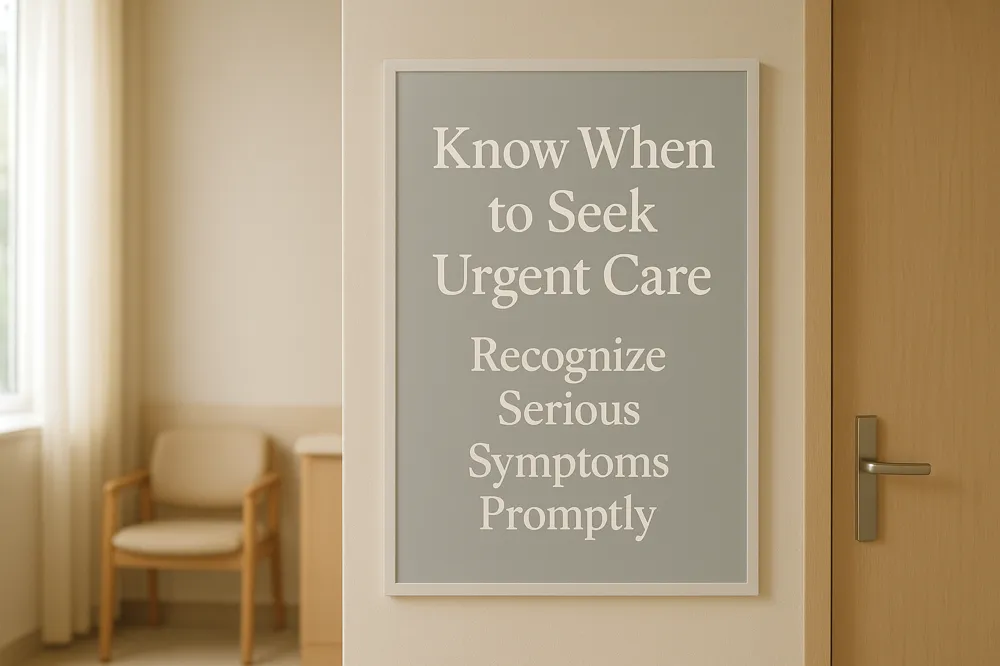
When do symptoms require urgent evaluation?
Serious symptoms such as sudden loss of bowel or bladder control, progressive weakness, severe pain unrelieved by rest, or worsening numbness necessitate immediate medical evaluation. These signs may indicate nerve damage or spinal cord compression, conditions requiring emergency spine treatment to prevent permanent impairment. Patients experiencing these symptoms should seek urgent spine appointments for prompt diagnosis and care.
What risk factors worsen spine conditions?
Various risk factors increase the likelihood or severity of spine problems. Obesity places excess stress on the spine, while sedentary lifestyles weaken supporting muscles. Certain jobs or activities involving heavy lifting, prolonged sitting, or repetitive movements elevate injury risk. Additionally, underlying health conditions, previous spinal trauma, and pregnancy can exacerbate or complicate spine issues.
Understanding these causes, symptoms, and risks can help patients seek same-week spine care, often starting with conservative treatments and moving to specialized interventions such as minimally invasive spine procedures if necessary. Access to Spine specialists at UofL Health and their multiple Louisville locations facilitates timely and comprehensive care.
Conservative Care: First Steps Before Surgery
What conservative treatment options are available for back and neck pain before considering surgery?
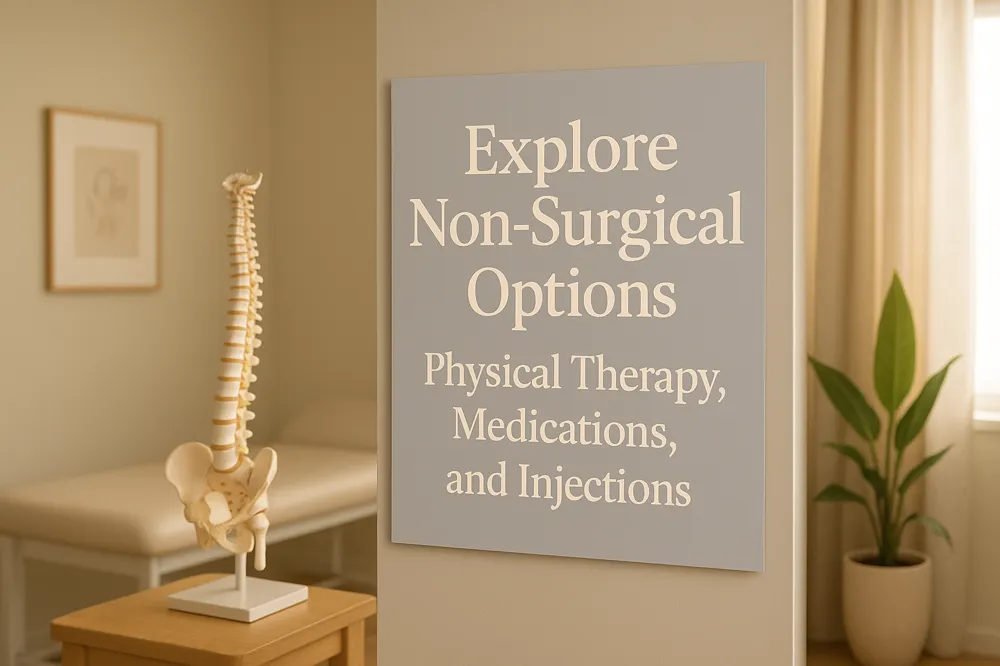
For patients experiencing back and neck pain, starting with conservative treatment options for spine pain offers an effective and less invasive path to relief before surgery becomes an option. Physical therapy plays a crucial role by focusing on strengthening muscles, improving flexibility, and addressing posture issues tailored to each patient's needs. This targeted therapy supports spine stability and can significantly reduce pain.
Medications, including NSAIDs, muscle relaxants, and neuropathic agents, are frequently prescribed alongside therapy to manage pain and inflammation. These help patients achieve comfort and mobility during recovery phases. In addition, minimally invasive injections like epidural steroid injections help reduce nerve inflammation, providing temporary yet important pain relief especially for those with disc herniation treatment or spinal stenosis treatment.
Lifestyle changes are equally important; adjusting daily activities, improving ergonomics at work or home, and using supportive furniture can ease spinal stress and facilitate healing. Complementary treatments such as chiropractic care, massage therapy, acupuncture, and transcutaneous electrical nerve stimulation (TENS) may also support pain management and improve patient wellness.
The emphasis on starting conservative treatment early is vital. Early intervention with these methods can prevent symptom escalation, reduce the need for surgery, and enable patients to maintain better overall function and quality of life. Most spine care centers and specialists encourage a trial period of four to six weeks on these treatments before discussing surgical options, making conservative care the foundational approach for managing spine-related conditions.
Minimally Invasive Surgery: When and Why It’s Recommended

When is minimally invasive spine surgery recommended for treating spine conditions?
Minimally invasive spine surgery (MISS) is typically recommended when conservative treatments such as medication, physical therapy, or injections do not adequately relieve symptoms. Patients with conditions like herniated discs, spinal stenosis, scoliosis, spinal instability, or fractures may be candidates for this approach. Surgery is often considered when nerve compression causes lasting pain, weakness, or numbness. The patient's overall health, age, and unique spinal anatomy play a role in selecting MISS to minimize tissue damage and speed recovery.
Advantages over traditional surgery
MISS offers significant benefits compared to traditional open surgery. The smaller incisions reduce muscle and soft tissue damage, leading to less postoperative pain and faster healing. Patients typically experience shorter hospital stays and quicker returns to daily activities. Additionally, there is a lower risk of infection and complications due to more precise surgical techniques aided by cameras and specialized instruments.
Procedures offered by specialists like Dr. Raskas
Experienced spine surgeons, such as Dr. David Raskas, provide various minimally invasive spine procedures including discectomy to remove herniated disc material, laminectomy for spinal decompression, and spinal fusion to stabilize segments of the spine. These procedures utilize video-assisted tools that improve visualization while limiting surgical trauma.
Patient selection criteria
Ideal candidates for MISS are generally healthy individuals who have persistent symptoms despite conservative care. Candidates should be able to adhere to post-operative recovery protocols, including physical therapy. Surgeons carefully evaluate each patient’s condition, imaging results, and overall medical status to tailor the surgical plan. This ensures the procedure aligns with the patient's specific needs while offering optimal outcomes.
Navigating Insurance and Administrative Steps for Faster Access

What insurance options are typically accepted for spine care treatments?
Most orthopedic spine institutes, such as the Orthopedic And Spine Institute of St. Louis, LLC, accept a broad range of insurance plans. This commonly includes private insurance carriers like Blue Cross Blue Shield and United Healthcare, as well as Medicare and Medicaid. Insurance acceptance ensures greater access to care for diverse patient populations seeking spine treatments.
Why is verifying coverage important before appointments?
Verifying your insurance coverage before scheduling spine care appointments helps avoid unexpected out-of-pocket expenses and confirms that your desired treatments are covered. Many clinics recommend contacting your insurance provider or their billing department in advance to clarify benefits, coverage limits, and network restrictions. For more information, see Timely Access to Care.
How do pre-registration and insurance documentation simplify scheduling?
Completing pre-registration online and bringing current insurance cards and photo identification to each appointment streamline the check-in process. These steps reduce waiting times and ensure that insurance verification occurs smoothly, facilitating timely access to Urgent spine appointments and same-week spine care. Visit Orthopaedic Institute of Ohio patient forms for details on pre-registration.
What referral and prior authorization requirements should patients know?
Some insurance plans, particularly HMOs, require prior authorization or referrals from primary care providers before specialist visits or procedures. Institutions often advise obtaining these authorizations beforehand to prevent delays. Beginning January 2026, the Orthopaedic Institute of Ohio mandates prior authorization for HMO plans, emphasizing early preparation.
| Topic | Details | Importance |
|---|---|---|
| Insurance Accepted | Blue Cross Blue Shield, United Healthcare, Medicare, Medicaid | Widens patient access |
| Coverage Verification | Contact insurer or clinic billing departments before appointments (Timely Access to Care) | Avoids unexpected costs |
| Pre-registration & Docs | Online forms, current insurance card, photo ID (Orthopaedic Institute of Ohio patient forms) | Speeds up appointment process |
| Referral & Authorization | Required for some plans, especially HMOs; obtain in advance (Orthopaedic Institute of Ohio policies | Prevents appointment delays |
Preparing Effectively for Your Spine Specialist Appointment

How can patients prepare for an appointment with a spine specialist?
Preparation is crucial for a productive spine specialist appointment. First, gather all relevant medical and imaging records, including X-rays, MRIs, and CT scans. These documents help your physician quickly understand your spinal condition and determine the best treatment approach.
Next, document your symptom history thoroughly. Note when your symptoms began, how they have changed over time, and describe your pain—be it sharp, dull, shooting, or accompanied by numbness or tingling. This information guides your provider in assessing the urgency and selecting treatments.
It's equally important to prepare questions and set clear treatment goals. Writing these down ensures you cover all your concerns during the consultation and helps your provider tailor a care plan that fits your expectations.
Bring a detailed list of all medications, supplements, and previous treatments or surgeries related to your spine. This enables safe prescribing and avoids potential medication conflicts.
Consider bringing a trusted companion to your visit. They can provide emotional support, assist with remembering details shared during the exam, and help you stay focused on key information.
Taken together, these steps promote efficient communication, maximize your appointment's effectiveness, and facilitate Timely Access to Care, especially if your condition requires Urgent spine appointments. For more detailed guidance, refer to Your First Office Visit at Orthopaedic Institute of Ohio.
Patient-First Care and Rapid Access: Best Practices for Urgent Spine Issues

How does patient-first care improve outcomes for individuals with spine-related pain?
Patient-first care significantly enhances outcomes by focusing on individualized treatment plans that address each patient's unique spinal condition and lifestyle. This approach ensures therapies are tailored, improving effectiveness and patient satisfaction.
Same-Day and Same-Week Appointment Availability
Many leading Spine Care in Louisville KY centers now offer urgent Same-Week Spine Care or Urgent Spine Appointments, especially for emergency cases like Disc Herniation Treatment or sudden neurological symptoms. This rapid access is vital to reduce risks of permanent damage and improve recovery prospects.
Utilization of Telehealth and Online Booking Systems
Modern spine practices integrate telehealth services and Quick Spine Care Scheduling to facilitate quick access, reduce waiting times, and allow continuous patient-provider communication, crucial in managing urgent spine issues efficiently.
Multidisciplinary Approaches and Minimally Invasive Options for Quicker Recovery
Comprehensive care involves multidisciplinary teams combining nonsurgical doctors, physical therapists, pain specialists, and surgeons. Conservative treatments often precede surgery, with Minimally Invasive Spine Procedures like endoscopic and robotic-assisted surgeries available when needed. These techniques reduce tissue trauma, alleviate pain, and shorten recovery time.
| Aspect | Details | Benefits |
|---|---|---|
| Personalized Care | Tailored plans based on patient specifics | Better outcomes, higher adherence |
| Appointment Availability | Urgent same-day/same-week slots | Timely intervention reduces complications |
| Telehealth & Online Booking | Virtual visits and easy scheduling | Increased access and convenience |
| Multidisciplinary Teams | Combined expertise from various specialists | Holistic care for complex spine issues |
| Minimally Invasive Surgery | Procedures with less tissue damage | Faster recovery, less pain |
Securing Timely Spine Care: A Proactive Approach
Steps to Secure Same-Week Appointments
Timely spine care starts with early action: contact your provider as soon as symptoms worsen to access urgent or same-week appointments. Utilize online portals or direct phone lines for quick scheduling. Many clinics, like UofL Health and the Norman Prince Spine Institute, offer streamlined appointment systems including telehealth.
Engage Early with Your Care Team
Proactive communication with your healthcare providers ensures they understand your condition’s urgency. Share detailed symptom histories and any previous diagnostics to facilitate faster decision-making. Providers often prioritize patients who present early, helping secure rapid evaluation and personalized treatment plans.
Empower Yourself Through Preparation and Communication
Prepare for your visits by completing online pre-registration and bringing all necessary documents such as insurance cards and photo ID. Write down questions and symptom notes to discuss during your consultation. Clear communication improves collaboration and supports your care team in offering timely, effective interventions.
By adopting these proactive steps, patients can better navigate urgent spine care needs, reducing delays and promoting faster recovery.