Introduction to Spine Treatment Options and Decision-Making
Understanding Spine Issues and Treatment Paths
Back and neck pain impact millions of people, with most cases originating from common spine conditions such as disc herniation, spinal arthritis, and degenerative disc disease. Despite their prevalence, about 90% of these issues improve without the need for surgery, highlighting the effectiveness of conservative, non-invasive care.
Exploring Treatment Options
Treatment generally begins with nonsurgical methods like physical therapy, medication, and lifestyle adjustments focused on reducing pain and restoring function. For many, this approach can provide substantial relief and improve quality of life. When symptoms persist or worsen, surgical options may be considered, especially in cases involving severe nerve compression or spinal instability.
Patient-Centered Approach
Modern spine care stresses shared decision-making, encouraging patients to actively engage in treatment choices alongside their healthcare team. This ensures personalized plans that align with patients’ goals, values, and preferences while weighing risks and benefits. Open communication builds confidence, improves outcomes, and helps patients make well-informed decisions about their spine health journey.
Understanding Conservative Spine Treatments and Their Benefits
What is Conservative Spine Therapy?
Conservative spine therapy is a non-surgical approach aimed at managing back, neck, and spine pain. It includes physical therapy for spine, medications, injections, lifestyle modifications for back pain, and alternative treatments like chiropractic care and acupuncture. The goal is to reducing inflammation in spine, relieve pain, improve flexibility, and strengthen muscles to restore function without surgery.
How Effective Are Conservative Treatments?
Studies show that Conservative spine therapy methods are successful for up to 90% of spine-related issues. They often serve as the first line of care, delaying or even eliminating the need for surgery. Personalized care plans improve outcomes by tailoring treatments to each patient’s specific condition and goals.
Why is Physical Therapy Often Preferred Over Surgery for Chronic Back Pain?
Physical therapy for back pain is less invasive and has fewer risks compared to surgery. It focuses on restoring function, reducing inflammation in spine, and addressing biomechanical problems like muscle imbalances. Through targeted exercises and manual techniques, physical therapy helps patients regain mobility and reduces pain, often avoiding the need for surgical intervention. This approach supports faster and safer recovery, improving quality of life.
Common Conservative Modalities
- Medications: Anti-inflammatories, pain relievers, and muscle relaxants to manage symptoms.
- Injections: Epidural steroid injections and nerve blocks to target localized inflammation and pain.
- Lifestyle Modifications: Activity modifications for spine care and ergonomic corrections to protect the spine.
- Physical Modalities: Heat/cold therapy, electrical stimulation, ultrasound, and massage.
Personalized Treatment Plans
Conservative spine treatments rely on close monitoring and individualized plans. Treatment durations and modalities vary to meet patient needs, with regular reassessment to guide progression or consider surgical options if necessary.
Understanding and embracing conservative spine treatments can lead to improved function, reduced pain, and enhanced spine health while minimizing the risks of spine surgery.
When Is Surgery Considered? Indications and Risks of Spinal Surgery
What Are Common Signs Indicating It May Be Time to Consider Spinal Surgery?
Persistent and severe back or neck pain that doesn’t improve with Conservative spine therapy like Physical Therapy Benefits or medications may signal the need for Do You Really Need Spine Surgery. Pain that radiates into the arms or legs often suggests nerve involvement, such as radiculopathy or spinal stenosis. Additional signs include numbness, tingling, or weakness in the limbs. Conditions such as progressive Spinal deformities treatment (e.g., scoliosis), spinal fractures from trauma, or loss of bladder and bowel control are urgent indicators for surgical evaluation. Difficulty walking or standing due to spine instability also warrants specialist consultation to determine the best treatment option.
What Surgical Procedures and Minimally Invasive Spine Surgery (MIS) Techniques Are Used?
Surgical vs. non-surgical spine care options vary based on the diagnosis and might include lumbar decompression, spinal fusion, discectomy, or artificial disc replacement. Minimally invasive spine surgery (MISS) techniques have advanced significantly, using small incisions and tools guided by imaging or robotics to minimize tissue damage. Minimally Invasive Spine Surgery Benefits include shorter hospital stays, less postoperative pain, quicker recovery, and reduced complication rates. Emerging technologies like ReActiv8 Neurostimulation System also support pain management and muscle strengthening postoperatively.
What Risks and Complications Are Associated with Spine Surgery?
Spine surgery, while often effective, carries risks such as Risks of spine surgery, dural tears causing cerebrospinal fluid leaks, Nerve injury during spine surgery leading to numbness or weakness, blood clots, and hardware-related problems like loosening or breakage. Serious complications such as lung issues, sexual dysfunction, and pseudoarthrosis are rare but can occur. The overall complication rate hovers around 7.6%, with mortality being very rare (~0.13%). Patients with factors like obesity, smoking, or chronic conditions may face higher risks. Postoperative persistent pain or numbness can also occur, making thorough Managing spinal surgery risks crucial.
How Long Does Recovery From Spinal Surgery Usually Take, and What Precautions Are Recommended After Surgery?
Recovery after spine surgery generally spans 4 to 6 weeks but varies per individual. Patients often begin walking the day after surgery to enhance healing and prevent complications like blood clots. Hospital stays usually last from one to four days. Postoperative pain relief is common immediately but some soreness may persist for weeks. Precautions include avoiding heavy lifting, twisting motions, and limiting prolonged sitting or standing. Strict wound care and regular follow-ups help monitor progress. Most return to normal activities and work within 4 to 8 weeks, though physically demanding jobs may require longer recovery.
Patient Regret Rates and Importance of Risk-Benefit Analysis
While spinal surgery can greatly improve quality of life, understanding risks and setting realistic expectations are vital. Shared decision-making in spinal surgery, including thorough discussions about potential benefits, complications, and alternatives, reduces dissatisfaction and regret. Patients should consider Second opinion for spine surgery to better understand the necessity and implications of surgery, ensuring informed and confident treatment choices.
Comparing Conservative Care and Surgical Intervention for Spine Health
What is the difference between conservative treatment and surgery for spine conditions?
Conservative treatment focuses on non-surgical methods like physical therapy for spine issues, medications, injections, bracing, and lifestyle changes. These approaches aim to relieve pain, promote healing, and protect the spine's natural structure. Typically, conservative care is the first step and can be very effective for many spine issues such as herniated discs and mild osteoarthritis. It emphasizes preserving tissues and minimizing risks. Surgery is considered only when conservative methods fail after several weeks or if serious issues like nerve damage or structural instability arise.
How does conservative treatment compare to surgery in managing spinal conditions?
Conservative management includes exercise, pain medications, epidural steroid injections, chiropractic care, and activity modifications. It helps most patients improve their symptoms without the risks associated with surgery. Surgery is usually reserved for severe cases, such as significant nerve compression or spinal deformity, or when conservative treatments do not provide relief. Surgical procedures, often minimally invasive spine surgery, repair or remove damaged tissues but carry risks such as infection, nerve injury, and longer recovery times. The choice between these approaches depends on symptom severity, patient health, and preferences.
What is minimally invasive spine surgery (MIS) and how does it differ from traditional spine surgery?
Minimally invasive spine surgery (MIS) uses smaller incisions and advanced technology to limit damage to muscles and tissues. Compared to traditional open surgery, MIS offers less bleeding, reduced postoperative pain, shorter hospital stays, and faster recovery. For example, procedures like minimally invasive discectomies and fusions allow patients to return home sooner, often within a day or two. Technologies such as robotics and intraoperative navigation enhance precision and safety. While MIS still carries risks like nerve injury and infection, these occur less frequently than with open surgery.
How effective are conservative treatments compared to surgery for lumbar spinal stenosis and sciatica?
For lumbar spinal stenosis, conservative treatments including physical therapy, steroid injections, and medication show good symptom control initially, with about 90% success in early phases. Surgery generally offers superior long-term relief and improved function after one year, especially for cases with severe nerve compression. In sciatica caused by herniated discs, early surgery can relieve pain faster, but after one year, outcomes are similar between early surgery and prolonged conservative care. This highlights that conservative therapy can be a valid first choice, reserving surgery for persistent or worsening symptoms.
What are cost-effectiveness and risk profiles of conservative versus surgical approaches?
Conservative treatments are typically less expensive and involve fewer risks than surgery. They avoid potential complications like infections, blood clots, and nerve injuries associated with operative procedures. Surgery usually entails higher costs, longer recovery periods, and greater risk but may offer better long-term symptom control in select patients. Minimally invasive surgery can reduce risks but not eliminate them entirely. Patients should consider individual risk factors and potential benefits with their healthcare provider.
How do patient-centered factors and shared decision-making impact spine treatment choices?
Shared decision-making in spinal surgery encourages active patient involvement, discussing risks, benefits, and alternatives to tailor treatments to personal values and goals. Improving informed consent quality has been linked to better satisfaction and fewer legal issues. Decisions should account for symptom severity, functional impact, patient expectations, and lifestyle needs. Collaboration between non-surgical spine specialists and surgeons helps customize care based on patient preferences and clinical findings.
What role do modern minimally invasive surgical technologies play in spine care?
Technologies such as robotics, intraoperative navigation, augmented reality, and neuromonitoring enhance precision and safety in spine surgery. Minimally invasive spine surgery (MIS) minimizes tissue trauma, speeds recovery, and lowers complication rates compared to traditional open approaches. Advances enable complex procedures with smaller incisions and less postoperative pain. Emerging implantable devices like the ReActiv8 Neurostimulation System also complement conservative therapies for chronic pain management. These innovations are transforming spine care by broadening safe treatment options for patients.
The Role of Shared Decision-Making and Informed Consent in Spine Care
What is informed consent in spinal surgery and why is it important?
Informed consent in shared decision-making in spinal surgery is a vital process where patients gain a clear understanding of their surgical procedure. This includes detailed discussions about the potential risks, expected benefits, and alternative treatment options available. The goal is to empower patients to make decisions that align with their values and health goals.
How does shared decision-making enhance patient care?
Shared decision-making in spinal surgery is a collaborative approach where spine specialists and patients communicate openly, ensuring that patients are actively involved in selecting their treatment plan. This method enhances trust, clarifies expectations, and personalizes care according to each patient's needs.
Why is education on risks, benefits, and alternatives crucial?
Thorough education helps patients grasp both the advantages and potential complications of spine surgery, as well as non-surgical spine treatments. Understanding these factors leads to better treatment adherence, reduces anxiety, and improves overall satisfaction with the care received.
What is the impact of informed consent on patient satisfaction and litigation?
Effective informed consent in shared decision-making can significantly reduce patient dissatisfaction and lower the incidence of malpractice lawsuits. When patients feel well-informed and involved, they tend to have more realistic expectations and a stronger therapeutic alliance with their surgeons.
Should patients seek second opinions? Why?
Second opinion for spine surgery is highly encouraged. It offers patients additional perspectives on their diagnosis and treatment options, helping them feel confident and ensuring that surgery is truly the best course of action for their condition.
Emerging Technologies and Future Directions in Spine Treatment
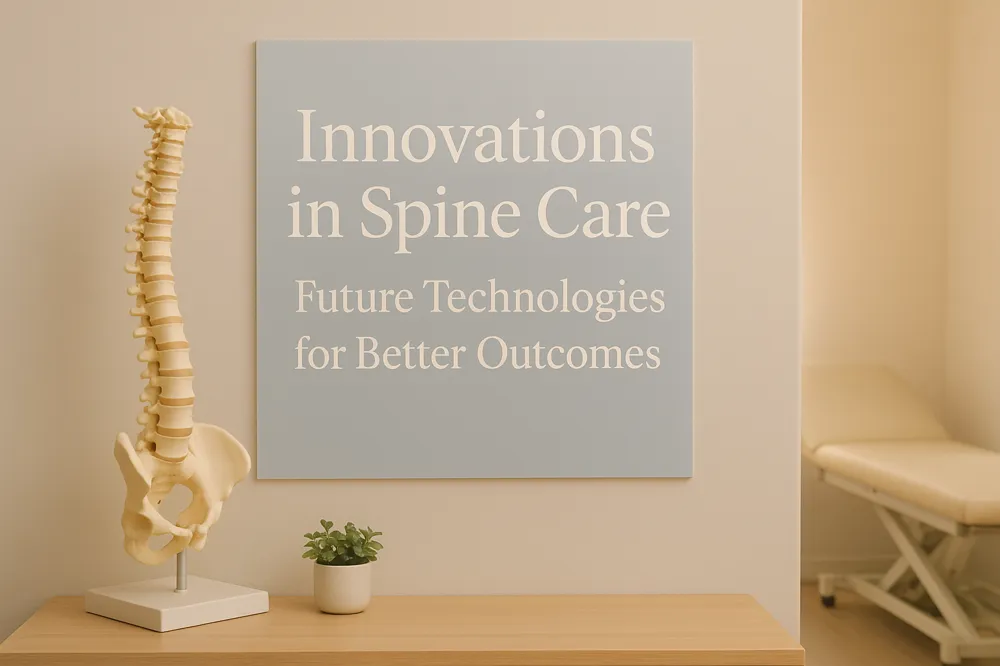
Innovations in Minimally Invasive Spine Surgery and Robotic Assistance
The advancement of Minimally invasive spine surgery (MIS) (MISS) has transformed patient care by reducing tissue damage, blood loss, and recovery times. Incorporating robotic assistance and computer-assisted navigation enhances surgical precision, minimizing risks such as nerve injury and hardware misplacement. Technologies like augmented reality (AR) also play a role in preoperative planning and intraoperative guidance, improving safety and surgical outcomes.
Advancements in Implantable Devices Like Neurostimulation Systems
Innovative implantable devices, such as the ReActiv8 Neurostimulation System, target back muscle strengthening through electrical stimulation. Clinical studies demonstrate significant pain reductions — 50% within six months and up to 80% after three years. These devices represent a promising non-surgical spine treatment option for patients with chronic back pain unresponsive to conservative therapies.
Benefits of Spinal Cord Stimulators and Orthobiologics
Spinal cord stimulators for back pain effectively manage nerve-related back pain, including chronic sciatica, by delivering electrical pulses to dampen pain signals. This approach lessens reliance on medications and improves quality of life. Additionally, orthobiologics in spine treatment such as platelet-rich plasma therapy promote healing and reduce inflammation, complementing conservative care without surgery.
Development of Artificial Disc Replacement Techniques
Artificial Disc Replacement is a surgical innovation offering promising outcomes in maintaining spinal mobility. Continuous refinements in surgical techniques alongside emerging technologies like 3D printed and human-derived discs indicate a bright future for this option. However, these novel implants may take decades to become widely available.
Importance of Timely Treatment and Balancing Options
While future technologies hold great potential, prioritizing current effective treatments is crucial. Early intervention with proven conservative spine therapy methods or minimally invasive spine surgery (MIS) prevents worsening conditions and irreversible nerve damage. Patients benefit most when clinical decisions balance present opportunities with realistic timelines of emerging innovations.
Making an Informed Decision: Balancing Conservative and Surgical Care
Navigating Treatment Options for Spine Care
Choosing between conservative and surgical treatment requires careful consideration of one's symptoms, diagnosis, and response to previous therapies.
Tailored, Multidisciplinary Approach
Collaboration between nonsurgical spine specialists, such as physiatrists and physical therapists, and spine surgeons ensures personalized plans that suit individual needs and treatment goals.
Empowering Through Education
Patients should be fully informed about treatment risks, benefits, and alternatives, fostering shared decision-making and confidence in their choices.
Thorough Evaluation Before Surgery
Since most spine issues improve with conservative care, surgery is reserved for cases with persistent severe symptoms or structural instability.
Understanding all available options and actively participating in the decision-making process leads to better outcomes and satisfaction in spine care.