A Patient-First Guide to Spine Treatment Decisions
Back and neck pain are among the most common medical complaints in the United States, affecting up to 80% of adults at some point in their lives. This widespread condition is a leading cause of missed work and can significantly impact daily function. The good news is that for the vast majority of people, spine pain improves with non-surgical, conservative treatments. These therapies are recommended as the first line of care by clinical guidelines and can help the body’s natural healing processes work effectively.
The Foundation of Conservative Care
Conservative spine treatment uses a variety of non-surgical methods to reduce pain, improve mobility, and restore function. The primary goals are to decrease inflammation and pain while allowing the body to heal naturally. This approach carries fewer immediate risks than surgery and is often the best starting point for most spine conditions.
A structured conservative plan typically includes several components:
- Physical therapy: The cornerstone of treatment, focusing on strengthening supporting muscles, improving flexibility, and correcting movement patterns over 6–12 weeks.
- Medication Management: Includes anti-inflammatory drugs, muscle relaxants, and nerve pain agents to control pain and swelling, facilitating participation in rehabilitation.
- Spinal Injections: Targeted therapies like epidural steroid injections can provide temporary relief by reducing inflammation around nerve roots.
- Lifestyle and Holistic Approaches: Ergonomic adjustments, weight management, and techniques like acupuncture or massage can provide additional support.
Physical therapy is successful for up to 60-80% of patients with acute low back pain within 6 weeks of starting a program. For many, symptoms of a lumbar disc herniation resolve completely with these measures alone, avoiding the need for any further intervention. A patient-first model prioritizes these conservative methods before considering surgical options.
When Surgery Becomes a Consideration
Surgery for the spine is generally reserved for specific cases where conservative measures have not provided adequate relief. The strongest indicators for surgical evaluation include persistent nerve compression symptoms, such as numbness, tingling, or weakness in the arms or legs. Progressive neurological deficits, like foot drop, or signs of structural instability are also clear indications.
When surgery is necessary, modern techniques often prioritize minimally invasive approaches.
Benefits of a patient-first approach:
- Avoids unnecessary procedures: Many patients improve with conservative care alone.
- Reduces surgical risks: A trial of therapy can help ensure surgery is truly needed.
- Lower upfront costs: Conservative care is generally less expensive than surgery.
Comparing Outcomes: What the Evidence Shows
High-quality research consistently shows that surgery can provide faster relief from severe symptoms, but long-term outcomes are often similar between surgical and conservative groups. This is a critical point for patients when making a decision.
| Treatment Path | Short-Term Outcomes (3-6 months) | Long-Term Outcomes (1-2 years) | Key Considerations |
|---|---|---|---|
| Conservative Care | Gradual improvement; 60-80% of patients see significant pain reduction | Outcomes are comparable to surgery for most patients | Lower risk, less downtime, patient-controlled progress |
| Surgery (e.g., discectomy) | Faster relief of severe leg pain; quicker perceived recovery | No significant difference in disability or quality of life vs. conservative care | Carries surgical risks (2-5% complication rate); faster return to work for severe cases |
A landmark study on lumbar disc herniation found that surgery provided faster relief of back pain at 6 weeks, but this advantage diminished by 12 weeks. At one and two years of follow-up, there were no statistically significant differences between the surgical and conservative groups for most outcomes, including pain, function, and quality of life. Similarly, randomized trials for sciatica show that while early surgery speeds up recovery, at 12 months, 95% of patients in both groups reported feeling recovered.
Making Your Decision
The decision between conservative and surgical treatment should be a shared process between you and your spine specialist. An accurate diagnosis, including a physical exam and imaging studies like an MRI, is essential to understand the specific cause of your pain.
Start by committing to a full trial of conservative therapy for at least 6–12 weeks. If you have severe neurological symptoms or pain that is not improving, a surgical consultation can provide a comparative opinion. The goal is always to pursue the least invasive treatment that can deliver meaningful and lasting relief. A patient-first approach respects this journey, beginning with conservative care and reserving minimally invasive surgery for when it is clearly the best option for your individual health and lifestyle needs.
Understanding Conservative Spine Care
 Conservative Spine Treatment Definition
Conservative spine treatment refers to a comprehensive, non‑surgical approach that aims to reduce inflammation, alleviate pain, and restore normal function while allowing the body’s natural healing processes to work. It encompasses a wide array of interventions, including structured physical‑therapy programs, medication management (anti‑inflammatory drugs, muscle‑relaxants, nerve‑pain agents, and short‑term opioids when absolutely necessary), targeted injections such as epidural steroid or facet‑joint blocks, chiropractic manipulation, and lifestyle modifications like ergonomic education, weight‑management, and regular exercise. Unlike surgery, which directly alters anatomy, conservative care works by supporting the spine’s own capacity to recover, minimizing tissue disruption and avoiding the risks associated with anesthesia, infection, and postoperative rehabilitation.
Why Conservative Care Is Often the First Line of Treatment
Clinical practice guidelines from the American College of Physicians, the North American Spine Society, and numerous international bodies consistently recommend beginning with non‑operative measures for most patients with low‑back or neck pain. The rationale is two‑fold: first, most acute and many chronic spinal complaints resolve without the need for an invasive procedure, and second, conservative therapies carry far fewer immediate risks. Insurance carriers typically require documentation of a trial of non‑operative care—often 6‑12 weeks—before authorizing surgical intervention, reinforcing the medical consensus that surgery should be reserved for clearly indicated, refractory cases.
The Cornerstone: Physical Therapy
[Physical therapy] (PT) is universally recognized as the cornerstone of conservative spine care. A typical PT course for lumbar disc herniation, sciatica, or non‑specific low‑back pain lasts 6–12 weeks and focuses on three core objectives:
- Core Strengthening – Engaging the deep abdominal and paraspinal muscles stabilizes the lumbar spine, reduces abnormal motion, and lessens stress on intervertebral discs and facet joints.
- Flexibility and Mobility – Targeted stretching of hamstrings, hip flexors, and lumbar extensors improves range of motion, allowing patients to perform daily activities without painful guarding.
- Movement Pattern Retraining – Education on proper lifting mechanics, posture, and ergonomic adjustments helps patients avoid future injury and supports long‑term spinal health.
Evidence from large prospective cohorts shows that 60‑80 % of patients with acute low‑back pain experience meaningful pain reduction within 4-6 weeks of a structured PT program. In a Prospective cohort of 370 patients with symptomatic lumbar disc herniation, those who received a regimen that included active PT, ergonomic instruction, and medication achieved a 48 % rate of ≥50 % back‑pain reduction at 6 weeks—far surpassing the 17 % seen in the conservative group that did not receive timely PT. Moreover, PT is a low‑cost, low‑risk intervention that can be tailored to the individual’s pain level, comorbidities, and functional goals.
Medication Management: Controlling Inflammation and Pain
Medications play a supportive role in enabling patients to participate fully in PT and daily activities. The first‑line agents are non‑steroidal anti‑inflammatory drugs (NSAIDs), which reduce prostaglandin‑mediated inflammation and often provide rapid pain relief. For muscle spasm or neuropathic components, muscle‑relaxants (e.g., cyclobenzaprine) and nerve‑pain agents (e.g., gabapentin, pregabalin) are added. Short‑term opioid use may be considered for breakthrough pain, but guidelines caution against long‑term reliance due to the risk of dependence and side effects. When medications effectively control pain and swelling, patients are more likely to engage in PT, thereby accelerating functional recovery.
Injection‑Based Therapies: Targeted Anti‑Inflammatory Relief
Epidural steroid injections (ESIs), facet‑joint injections, and trigger‑point injections are valuable adjuncts when oral medications alone are insufficient. ESIs deliver corticosteroids directly into the epidural space, reducing nerve root inflammation and often providing weeks to months of symptom relief. Facet‑joint injections target the small joints that can become inflamed secondary to abnormal biomechanics. These procedures are performed on an outpatient basis under fluoroscopic or ultrasound guidance, carry minimal systemic side effects, and can bridge patients through the most painful phases of recovery, allowing them to continue PT and return to function more quickly.
Chiropractic and Manual Therapies
Chiropractic care, including spinal manipulation and mobilization, is another non‑surgical option that can improve joint mobility, reduce muscle tension, and modulate pain pathways through neurophysiologic mechanisms such as gate control. When combined with PT, chiropractic interventions have been shown to reduce the need for surgery by up to 30 % in eligible low‑back pain patients. While not a replacement for PT, chiropractic care can complement the overall conservative regimen, especially for patients who respond well to manual techniques.
Lifestyle Modifications: The Long‑Term Foundation
Successful conservative care extends beyond the clinic walls. Lifestyle changes—regular aerobic activity, weight management, smoking cessation, and a diet rich in anti‑inflammatory foods—help reduce the mechanical load on the spine and mitigate systemic inflammation. Ergonomic adjustments at work (e.g., standing desks, proper chair support) and education on safe lifting techniques empower patients to protect their spines in daily life. Mind‑body practices such as mindfulness, yoga, and tai chi address the psychological component of chronic pain, improving coping strategies and decreasing fear‑avoidance behaviors that can otherwise hamper rehabilitation.
Outcomes and Success Rates
Across multiple high‑quality studies, conservative management demonstrates impressive success rates. Approximately 90 % of sciatica cases caused by lumbar disc herniation resolve with non‑operative measures, and 60‑80 % of acute low‑back pain patients achieve meaningful relief within 6‑12 weeks of PT and medication. In the aforementioned prospective cohort of 370 patients, early pain‑relief advantage of surgery (open discectomy) was evident at 6 weeks (mean NASS pain score difference −0.97, 95 % CI −1.89 to −0.09), but this benefit diminished by 12 weeks and was not statistically significant at 1‑ and 2‑year follow‑up. Functional disability scores (NASS function subscale) showed only a modest, short‑lived advantage for surgery at 1 year (mean difference −3.7, 95 % CI −7.4 to −0.1), which was not sustained at 2 years. Quality‑of‑life measures (SF‑36) were comparable between groups at all time points, underscoring that the long‑term trajectory of most patients is similar regardless of early surgical intervention.
These findings align with systematic reviews and meta‑analyses of randomized controlled trials, which consistently report that surgery provides faster symptom relief but does not confer superior mid‑term or long‑term outcomes for sciatica, lumbar disc herniation, or chronic low‑back pain when an adequate trial of conservative care is undertaken.
Risk Profile: Conservative Care vs. Surgery
The safety advantage of conservative management is stark. Non‑operative therapies have rare serious adverse events, whereas elective spine surgery carries complication rates ranging from 2‑5 % for minimally invasive lumbar fusion to 10‑15 % for extensive deformity corrections. Risks associated with surgery include infection, nerve injury, dural tears, blood loss, and prolonged recovery periods that may extend several months. By contrast, the most common side effects of conservative care—mild gastrointestinal upset from NSAIDs, transient soreness after PT, or bruising at injection sites—are generally self‑limited and easily managed.
Patient‑First Care Model: From Conservative First to Minimally Invasive Surgery When Needed
At the Orthopedic Spine Institute of St. Louis, a patient‑first philosophy guides every decision. The typical pathway begins with a thorough clinical evaluation, imaging, and a shared‑decision‑making discussion that emphasizes evidence‑based conservative care as the initial strategy. Patients embark on a 6‑12‑week trial that includes:
- Tailored physical‑therapy program (core strengthening, flexibility, aerobic conditioning)
- Prescription of NSAIDs or other appropriate medications
- Education on ergonomics, activity modification, and weight control
- Consideration of targeted injections (ESI or facet‑joint) if pain limits PT participation
Progress is monitored closely. If, after 6‑12 weeks, the patient experiences persistent severe pain, progressive neurological deficit, or functional limitation despite adherence to the conservative regimen, the team re‑evaluates for minimally invasive surgical options such as micro‑discectomy, endoscopic decompression, or percutaneous lumbar fusion. Minimally invasive techniques preserve muscle integrity, reduce blood loss, shorten hospital stays, and often allow discharge within 24‑48 hours, delivering the benefits of surgery while mitigating many of the risks associated with traditional open procedures.
Insurance and Access Considerations
Most insurance plans favor conservative treatments as the initial line of defense, covering PT sessions, NSAIDs, and a limited number of injections per year. Documentation of a failed trial—typically 6‑12 weeks of PT and medication—is often required before surgical authorization. This policy not only aligns with clinical evidence but also helps patients avoid unnecessary procedures and the associated financial burden. At our institute, we work closely with insurers to ensure that patients receive the appropriate non‑operative therapies promptly, thereby maximizing the likelihood of successful outcomes without surgery.
Key Take‑aways for Patients and Referring Physicians
- Conservative spine care is a multifaceted, evidence‑based approach that includes PT, medication, injections, chiropractic care, and lifestyle changes.
- Physical therapy is the foundational pillar, typically lasting 6‑12 weeks and focusing on core stability, flexibility, and functional restoration.
- High success rates—60‑80 % improvement in acute low‑back pain within 6‑12 weeks and up to 90 % resolution of sciatica due to disc herniation—demonstrate the effectiveness of non‑operative management.
- Minimal risk profile makes conservative care the safest first‑line option; complications are rare and usually mild.
- Insurance supports conservative therapy as the initial treatment, and documentation of its failure is often required before surgical approval.
- A patient‑first model ensures that surgery is offered only when clearly indicated, after a thorough trial of conservative measures, thereby preserving spinal integrity and avoiding unnecessary invasive interventions.
Conclusion
Conservative spine treatment offers a safe, cost‑effective, and evidence‑backed pathway for the majority of patients with low‑back and neck pain. By leveraging structured physical therapy, judicious medication use, targeted injections, and lifestyle optimization, most individuals achieve meaningful pain relief and functional improvement without ever needing an operation. When conservative measures are insufficient, minimally invasive surgical options provide a targeted, lower‑risk alternative that can be introduced seamlessly within a patient‑first care framework. This balanced approach maximizes outcomes, minimizes complications, and respects the patient’s preferences and goals—hallmarks of the Orthopedic Spine Institute of St. Louis’s commitment to comprehensive spine health.
Answered Question
What is conservative spine treatment? n Conservative spine treatment refers to non‑surgical interventions such as physical therapy, medication management, injections, lifestyle changes, and modalities like heat, cold, electrical stimulation, and bracing. Its primary goals are to reduce inflammation, alleviate pain, and restore normal function while allowing the body’s natural healing processes to work.
When Is Surgery Considered?
 In the modern spine‑care ecosystem, the decision to move from a structured trial of non‑surgical therapies to an operative intervention is never taken lightly. The Orthopedic Spine Institute of St. Louis adopts a "patient‑first" algorithm that starts with evidence‑based conservative care and only escalates to surgery when the clinical picture meets clearly defined criteria. Below we walk through the timeline, the clinical red‑flags, the most common diagnoses that trigger a surgical consult, the landmark evidence that informs our practice, and the array of operative options now available—most of them performed through minimally invasive techniques that preserve tissue and hasten recovery.
1. The 6‑ to 12‑Week Conservative Trial – A Practical Benchmark
For the vast majority of patients with symptomatic lumbar disc herniation, sciatica, or mild‑to‑moderate spinal stenosis, the first line of treatment consists of a disciplined program of physical therapy, anti‑inflammatory medication, activity modification, and, when appropriate, targeted injections (epidural steroid, facet joint, or nerve block). The goal of this regimen is threefold: to reduce inflammation, to restore core strength and flexibility, and to allow the body’s natural healing mechanisms to resolve the offending pathology.
Clinical guidelines from the American College of Physicians and the North American Spine Society consistently recommend a trial of 6 to 12 weeks before considering surgery, unless an absolute neurological emergency is present. During this window, patients typically engage in 2–3 supervised physical‑therapy sessions per week, supplemented by a home exercise program that emphasizes core stabilization, aerobic conditioning, and ergonomic education. Medication management—NSAIDs, muscle relaxants, and neuropathic agents such as gabapentin—helps keep pain levels low enough to permit active participation in rehabilitation.
Outcome data from a prospective cohort of 370 patients with lumbar disc herniation reinforce this timeline. At six weeks, surgical patients (open discectomy) reported a modest advantage in back‑pain scores (mean difference −0.97 on a 0‑10 NASS scale) and a higher proportion achieving ≥50 % pain reduction (48 % vs. 17 % in the conservative group). However, by twelve weeks the pain‑relief gap narrowed, and at one‑ and two‑year follow‑up there were no statistically significant differences in back pain, neurogenic symptoms, functional disability, or quality‑of‑life measures. Overall, surgery offers rapid early pain relief but no superior mid‑term or long‑term outcomes.
These findings dovetail with numerous randomized trials that show rapid symptom relief after surgery but comparable mid‑term and long‑term outcomes when patients are managed conservatively. The practical implication for clinicians and patients alike is that, in the absence of severe or progressive neurological deficits, a well‑structured 6‑ to 12‑week conservative trial is both safe and likely to achieve satisfactory results for the majority of individuals.
2. Absolute and Relative Indications for Surgical Referral
While the 6‑ to 12‑week window serves as a useful benchmark, certain clinical scenarios demand a more urgent surgical evaluation. The most widely accepted absolute indications—often summarized as "red‑flag" symptoms—include:
- Cauda Equina Syndrome – New‑onset bowel or bladder dysfunction, saddle anesthesia, or progressive lower‑extremity weakness.
- Progressive Motor Deficit – A measurable decline in muscle strength (e.g., MRC grade ≤3/4) that correlates with imaging evidence of nerve‑root compression.
- Severe Structural Compression – Large sequestrated disc fragments, marked foraminal stenosis, or a herniated disc that is causing significant displacement of the the root on MRI.
- Spinal Instability – Spondylolisthesis or fracture that threatens the integrity of the spinal column.
In the presence of any of these findings, surgery is usually contemplated within days rather than weeks. For patients who do not meet absolute criteria but continue to experience disabling radicular pain, persistent motor weakness, or functional limitation after a full course of conservative care, the indication becomes relative. Relative indications include:
- Large Disc Herniation with Corresponding Clinical Correlation – Imaging shows a disc fragment that matches the patient’s symptom distribution, and pain remains refractory after 6–12 weeks of PT, medication, and injections.
- Neurogenic Claudication from Lumbar Spinal Stenosis – Patients report leg pain or fatigue with walking that does not improve after activity modification and physical therapy.
- Failed Conservative Management – Defined as less than 30–40 % improvement in pain or function after an evidence‑based trial, or the need for escalating opioid use.
- Occupational Demands – Jobs that require rapid return to heavy lifting or prolonged standing may tip the balance toward earlier surgery if conservative care stalls.
These criteria are not rigid rules but rather a framework that guides shared decision‑making. The Orthopedic Spine Institute of St. Louis emphasizes an individualized approach, integrating patient preferences, comorbidities, and psychosocial factors into the final recommendation.
3. Conditions Frequently Requiring Surgical Evaluation
The decision to operate is most common in the following lumbar pathologies:
| Condition | Typical Surgical Indication |
|---|---|
| Lumbar Disc Herniation | Persistent radicular pain, motor weakness, or cauda equina syndrome after 6–12 weeks of conservative care. |
| Lumbar Spinal Stenosis | Neurogenic claudication that limits walking distance, especially when pain relief from PT and injections is insufficient. |
| Spondylolisthesis (Grade I–II) | Instability with progressive slippage, or refractory pain despite rehabilitation. |
| Degenerative Disc Disease with Segmental Instability | Recurrent pain with radiographic evidence of disc collapse or facet arthropathy. |
| Scoliosis Curves >45–50° | Progressive deformity or pain unresponsive to bracing and physical therapy. |
For each of these entities, the operative goal is either decompression (relieving nerve‑root pressure) or stabilization (preventing abnormal motion). The choice of procedure depends on the underlying anatomy, the severity of compression, and the patient’s overall health status.
4. The SPORT Trial – Evidence that Informs Our Practice
One of the most influential pieces of evidence in the lumbar disc herniation arena is the Spine Patient Outcomes Research Trial (SPORT). In this large, multicenter study, patients with sciatica due to disc herniation were randomized to early lumbar discectomy or a structured non‑operative regimen. Key findings included:
- Faster Pain Relief – Patients who underwent surgery reported a more rapid decline in leg‑pain VAS scores, with a statistically significant advantage evident as early as two weeks post‑op.
- Higher Early Satisfaction – At six weeks, the surgical cohort reported higher satisfaction scores and a shorter perceived recovery time (median 4 weeks vs. 12 weeks for the conservative group).
- Long‑Term Equivalence – By twelve months, both groups converged on similar disability scores (Roland Disability Questionnaire) and overall health‑related quality‑of‑life measures (SF‑36). At two years, 95 % of patients in each arm reported recovery, underscoring that early surgery accelerates relief but does not change the final outcome for most patients.
The SPORT data align closely with the prospective cohort of 370 patients described earlier, reinforcing the message that surgery offers rapid symptom relief but does not confer superior mid‑term or long‑term benefits for the average patient with lumbar disc herniation. Consequently, we reserve early surgery for those who cannot tolerate prolonged pain, have significant functional impairment, or present with red‑flag neurological signs.
5. Modern Surgical Options – From Open to Minimally Invasive
When surgery is deemed necessary, the orthopedic spine community now has a robust toolbox that includes both traditional open procedures and a spectrum of minimally invasive techniques (MISS). The overarching principle is to achieve the same decompression or stabilization goals while minimizing tissue disruption, blood loss, and postoperative pain.
5.1 Discectomy (Open, Micro, or Endoscopic)
- Open Lumbar Discectomy – The classic approach involving a midline incision and direct visualization of the disc. It remains the most widely performed procedure for sciatica in the United States.
- Micro‑Discectomy – Utilizes a small tubular retractor and an operating microscope, resulting in less muscle trauma and a shorter hospital stay.
- Endoscopic Discectomy – Performed through a 1‑2‑inch incision with a high‑definition camera; patients often return to work within a few days.
5.2 Decompression (Laminectomy, Laminotomy, Foraminotomy)
- Traditional Laminectomy – Removal of the lamina to enlarge the spinal canal, indicated for severe lumbar spinal stenosis.
- Minimally Invasive Laminectomy – Uses tubular retractors and real‑time imaging to preserve the paraspinal musculature, offering reduced postoperative pain and faster recovery.
5.3 Fusion (Open vs. Percutaneous)
- Posterior Lumbar Fusion (PLIF/TLIF) – Provides segmental stability for cases with spondylolisthesis, degenerative instability, or after extensive decompression.
- Minimally Invasive Fusion – Percutaneous pedicle screws and interbody cages are placed through small incisions, achieving fusion rates comparable to open surgery while decreasing blood loss and hospital length of stay.
5.4 Motion‑Preserving Technologies
- Artificial Disc Replacement – Replaces a diseased disc while preserving motion, particularly useful in the cervical spine but increasingly explored for lumbar levels.
- Dynamic Stabilization (e.g., Dynesys) – Offers a middle ground between fusion and decompression, aiming to limit motion enough to relieve pain while preserving some segmental movement.
Across all these options, the trend is unmistakable: smaller incisions, less muscle disruption, and quicker return to activity. Recent meta‑analyses show infection rates of 2‑3 % for MISS compared with 8‑10 % for open procedures, and hospital stays that are 2‑3 days shorter on average.
6. Answering the Core Question: Lumbar Disc Herniation Surgery Indications
Indications for lumbar disc herniation surgery can be grouped into three categories—absolute, relative, and patient‑driven.
-
Absolute Indications (require urgent surgery):
- Cauda Equina Syndrome – New bowel/bladder dysfunction, saddle anesthesia, or rapidly progressing lower‑extremity weakness.
- Progressive Motor Deficit – Documented decline in muscle strength (e.g., foot drop) that correlates with imaging evidence of nerve‑root compression.
- Severe Structural Compression – Large sequestrated fragments or disc material causing >50 % encroachment of the thecal space.
-
Relative Indications (consider surgery after a trial of conservative care):
- Refractory Radicular Pain – Pain that remains >50 % severe after 6–12 weeks of PT, NSAIDs, and targeted injections.
- Persistent Motor Weakness – Stable but significant weakness (MRC grade ≤3/4) that does not improve with rehabilitation.
- Functional Limitation – Inability to return to work or perform daily activities despite adherence to a structured non‑operative regimen.
- Patient Preference – High‑value patients who prioritize rapid symptom resolution for occupational or personal reasons, provided they understand the risks and benefits.
-
Patient‑Driven Factors (shared decision‑making):
- Comorbidities – Diabetes, smoking, or anticoagulant use may increase surgical risk and tilt the balance toward continued conservative care.
- Psychosocial Context – Depression, fear‑avoidance beliefs, or lack of social support can influence both outcomes and recovery trajectories.
- Insurance Requirements – Many plans mandate documentation of failed conservative therapy (often 6–12 weeks) before authorizing surgical costs.
In practice, we follow a stepwise algorithm: confirm the diagnosis with MRI, correlate imaging findings with the clinical exam, initiate a 6‑ to 12‑week evidence‑based conservative program, and reassess at regular intervals. If the patient meets any absolute indication, we proceed to surgery promptly. If only relative criteria are met, we discuss the pros and cons of early versus delayed surgery, emphasizing that early micro‑discectomy can shorten time to return to work by 6–8 weeks (as shown in the SPORT trial) but that long‑term outcomes are comparable to those achieved after a successful conservative trial.
7. Putting It All Together – A Patient‑Centric Pathway
The Orthopedic Spine Institute of St. Louis integrates the above evidence into a seamless patient journey:
- Initial Evaluation – Comprehensive history, physical exam, and MRI to delineate the pathology.
- Conservative Phase (Weeks 0‑6) – Structured physical therapy, medication optimization, ergonomic counseling, and, when warranted, epidural steroid injections.
- Mid‑point Reassessment (Week 6) – Objective measurement of pain (NASS, VAS), function (Oswestry Disability Index), and quality of life (SF‑36). If ≥30 % improvement is seen, we continue non‑operative care.
- Surgical Consultation (Week 6‑12 or earlier for red‑flags) – Review of imaging, discussion of risks/benefits, and selection of the most appropriate minimally invasive procedure.
- Post‑Operative Rehabilitation – Early mobilization, tailored PT focusing on core stabilization, and gradual return to activity.
By adhering to this algorithm, we respect the natural healing capacity of the spine, minimize unnecessary exposure to surgical risk, and ensure that those who truly need an operation receive it in the safest, most effective manner possible.
Key Takeaway: Surgery for lumbar disc herniation is not a default first‑line therapy. It is reserved for patients who either present with emergent neurological compromise or who have failed a disciplined 6‑ to 12‑week trial of evidence‑based conservative care. The contemporary evidence base—highlighted by the prospective cohort of 370 patients and the SPORT trial—demonstrates that while surgery provides faster pain relief, long‑term outcomes converge with those achieved through non‑operative management. When surgery is indicated, minimally invasive techniques such as micro‑discectomy or endoscopic discectomy deliver comparable decompression with reduced tissue trauma, shorter hospital stays, and quicker return to daily life. This balanced, patient‑first approach ensures that each individual receives the right treatment at the right time, optimizing both safety and functional recovery.
Surgical vs. Conservative: What the Evidence Says
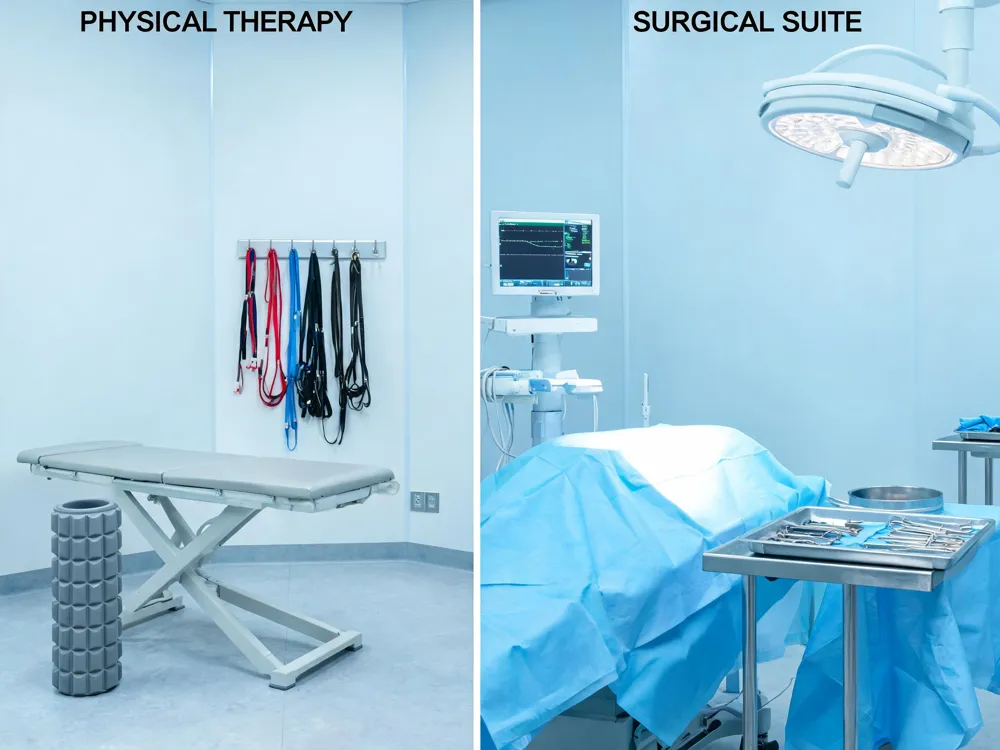
Surgical versus Conservative Treatment for Lumbar Disc Herniation: A Prospective Cohort Study
A landmark prospective cohort of 370 patients with symptomatic lumbar disc herniation compared outcomes after open discectomy with a structured conservative regimen that included ergonomic instruction, active physical therapy, NSAIDs, opioids, epidural infiltrations, and radio‑frequency therapy as needed. At 6 weeks the surgical group experienced a statistically significant reduction in back‑pain intensity (mean NASS pain‑scale difference = ‑0.97, 95 % CI ‑1.89 to ‑0.09). Moreover, 48 % of operated patients achieved a ≥50 % pain‑reduction versus only 17 % of those managed non‑operatively (risk difference = 34 %, 95 % CI 16 % to 47 %).
These early advantages, however, diminished after 12 weeks. By the 12‑week, 1‑year, and 2‑year follow‑up points there were no statistically significant differences between groups for back‑pain scores, neurogenic leg‑pain, or health‑related quality of life (SF‑36). A modest benefit in physical‑function disability (NASS function subscale) persisted only at 1 year (mean difference = ‑3.7, 95 % CI ‑7.4 to ‑0.1) and disappeared by the second year.
The investigators used inverse‑probability‑of‑treatment weighting and multiple imputation to balance baseline characteristics (age ≈ 50 y, BMI ≈ 27 kg/m², gender distribution) and to mimic a randomized trial while preserving real‑world applicability. Their conclusions—surgery provides rapid pain relief but no superior mid‑term or long‑term outcomes—align with multiple randomized trials that show early symptom relief after decompression but comparable outcomes at later time points.
The practical implication for a patient‑first practice is clear: initiate a trial of evidence‑based conservative care (physical therapy, medication, targeted injections) and reserve surgery for those who fail to improve after a defined period (usually 6–12 weeks). This approach minimizes exposure to surgical risks while still offering a timely operative option when medically indicated.
Early Micro‑Discectomy Versus Prolonged Conservative Care for Severe Sciatica
A randomized trial of 283 patients with severe sciatica (symptom duration 6–12 weeks) compared early micro‑discectomy with a prolonged conservative pathway that allowed surgery later if needed. In the early‑surgery arm, 89 % of patients underwent micro‑discectomy after a mean of 2.2 weeks. In the conservative arm, 39 % eventually crossed over to surgery after a mean of 18.7 weeks.
The primary disability outcome (Roland Disability Questionnaire) showed no significant difference over one year (P = 0.13). However, leg‑pain relief and perceived recovery were markedly faster in the surgical group (P < 0.001) with a hazard ratio for recovery of 1.97 (95 % CI 1.72‑2.22). By 12 months, 95 % of patients in both groups reported recovery, and the median time to perceived recovery was 4 weeks for early surgery versus 12 weeks for the conservative pathway.
Complications were rare (1.6 % in the surgical cohort: two dural tears, one wound hematoma) and resolved spontaneously. The trial underscores that while many patients can ultimately recover without surgery, early operative intervention provides faster symptom resolution for those who cannot tolerate prolonged pain or functional limitation. The findings dovetail with the patient‑first model: start with non‑operative care, but offer minimally invasive surgery promptly when pain is severe, disabling, or unresponsive.
Lumbar Spinal Stenosis: Surgery Versus Conservative Care in Systematic Reviews
For lumbar spinal stenosis (LSS), several systematic reviews and meta‑analyses have examined the trade‑off between surgery (decompressive laminectomy ± fusion) and structured non‑operative care (physical therapy, epidural steroid injections, activity modification). Across nine randomized controlled trials involving 1,658 patients, early outcomes (≤ 6 months) showed no statistically significant difference in the Oswestry Disability Index (ODI).
However, at 1 year the surgical cohort demonstrated a significant improvement in ODI (mean difference = ‑5.89, 95 % CI ‑11.39 to ‑0.40; P = 0.04) and this advantage persisted at 2 years (mean difference = ‑3.57, 95 % CI ‑6.08 to ‑1.06; P = 0.005). Similar trends were observed for the Zurich Claudication Questionnaire (ZCQ) symptom severity and physical‑function scores.
Conversely, complication rates were higher in the surgical arms, ranging from 0 % to 24 % across studies, with reoperation rates up to 10 %. No significant differences were seen in SF‑36 physical‑function scores at any time point.
The evidence suggests that for patients with persistent, function‑limiting stenosis after 3–6 months of conservative therapy, surgery can provide superior disability relief after the first year, albeit at a higher risk of adverse events. A patient‑first care model would therefore employ a trial of structured non‑operative treatment and proceed to surgery only when functional goals are not met and the potential benefits outweigh the risks.
Effectiveness of Conservative Treatment Across the Spine Spectrum
Broadly, conservative spine care—encompassing physical therapy, medication, injections, lifestyle modification, and adjunctive modalities (heat, cold, electrical stimulation, bracing)—remains the first‑line strategy for most spine conditions. Large observational data indicate that 60‑80 % of patients with acute low‑back or neck pain improve within 6‑12 weeks of structured non‑operative therapy.
Physical therapy, usually lasting 6–12 weeks, focuses on strengthening supporting musculature, improving flexibility, and correcting movement patterns. When combined with anti‑inflammatory medication (NSAIDs, muscle relaxants, nerve‑pain agents and targeted injections (epidural steroid, facet‑joint, trigger‑point), patients gain rapid reduction in inflammation and pain, facilitating participation in rehabilitation.
The risk profile of conservative care is favorable: serious adverse events are rare, and the approach avoids the infection, blood loss, nerve injury, and anesthesia complications inherent to surgery. Moreover, insurance plans frequently favor a trial of non‑operative management before authorizing surgical procedures, reinforcing the economic and safety benefits of this pathway.
When to Transition From Conservative Care to Surgery
Despite the high success rate of non‑operative treatment, certain clinical scenarios necessitate surgical intervention:
- Progressive neurological deficits (e.g., worsening weakness, sensory loss, cauda‑equina syndrome).
- Severe structural compression documented on imaging that correlates with refractory symptoms.
- Failure of an adequate trial of conservative care—commonly defined as ≥ 6–12 weeks of guideline‑directed therapy without meaningful pain relief or functional improvement.
- Patient preference after shared decision‑making, especially when rapid return to work or activities is a priority.
When these criteria are met, minimally invasive spine surgery (MISS)—such as micro‑discectomy, endoscopic decompression, or percutaneous lumbar fusion—offers comparable long‑term outcomes to open procedures while reducing muscle disruption, blood loss, hospital stay, and recovery time. Studies show that patients who start with conservative care and later undergo MISS achieve similar pain relief and functional improvement to those who elect surgery initially, but avoid unnecessary procedures.
Synthesizing the Evidence for Clinical Decision‑Making
| Condition | Early (≤ 6 weeks) Advantage of Surgery | Mid‑Term (12 weeks‑1 year) Outcome | Long‑Term (≥ 2 years) Outcome | Complication Risk |
|---|---|---|---|---|
| Lumbar Disc Herniation | Faster back‑pain relief (mean ‑0.97 NASS) & higher ≥50 % pain‑reduction (48 % vs. 17 %) | No significant difference in pain, neurogenic symptoms, or QoL; modest functional benefit at 1 yr | No sustained advantage; similar disability and QoL | Low (open discectomy) |
| Severe Sciatica | Rapid leg‑pain relief & perceived recovery (median 4 wks vs. 12 wks) | Disability scores similar at 12 mo; 39 % of conservatively treated eventually require surgery | 95 % recovery in both arms at 12 mo | Low (micro‑discectomy) |
| Lumbar Spinal Stenosis | No early benefit; modest advantage after 1 yr (ODI ‑5.9) | Continued superiority in disability scores at 2 yr | Persistent functional benefit vs. conservative care | Higher (0‑24 % adverse events) |
| General Low‑Back Pain | Often resolves with PT/NSAIDs within 6‑12 wks | 60‑80 % improve with structured PT | Long‑term outcomes comparable to surgery for most patients | Minimal |
These data reinforce a step‑wise, patient‑first algorithm:
- Comprehensive evaluation (history, physical exam, imaging) to identify the underlying pathology and any red‑flag features.
- Initiate evidence‑based conservative care—a 6‑12 week program of targeted physical therapy, anti‑inflammatory medication, and, when indicated, epidural steroid injections.
- Reassess at the end of the trial period using validated outcome measures (NASS, ODI, SF‑36). If pain is ≤ 50 % improved, functional goals are met, and no neurological decline is present, continue non‑operative management.
- Discuss surgical options when conservative therapy fails, when neurological deficits progress, or when rapid functional recovery is essential for the patient’s occupational or personal goals. Emphasize minimally invasive techniques to reduce tissue trauma and accelerate return to activity.
- Shared decision‑making—present the patient with the quantitative benefits (e.g., faster pain relief, earlier return to work) and risks (infection, reoperation, adjacent‑segment disease) to arrive at a personalized treatment plan.
Practical Take‑aways for Patients and Clinicians
- Early surgery (open discectomy or micro‑discectomy) offers rapid back‑pain relief for disc herniation and fast leg‑pain relief for sciatica, but the advantage does not persist beyond the first 12 weeks for most patients.
- Conservative care—particularly a structured physical‑therapy program combined with anti‑inflammatory medication and targeted injections—provides comparable mid‑ and long‑term outcomes for the majority of patients, with far fewer immediate risks.
- For lumbar spinal stenosis, surgical decompression yields modest but statistically significant improvements in disability after the first year, but patients must be counseled about the higher complication rates associated with operative treatment.
- Patient‑first models such as those employed by the Orthopedic Spine Institute of St. Louis emphasize a trial of non‑operative therapies before surgical referral, ensuring that surgery is reserved for those who truly need it.
- Monitoring and reassessment are essential; a 6‑12 week checkpoint allows clinicians to identify non‑responders early and discuss the option of minimally invasive surgery, thereby avoiding unnecessary procedures and optimizing outcomes.
Bottom Line
The preponderance of high‑quality evidence supports an initial, structured conservative management strategy for most lumbar spine pathologies. Surgery should be considered a time‑sensitive escalation for patients with refractory symptoms, progressive neurological deficits, or specific anatomic indications. By adhering to a step‑wise, evidence‑based algorithm, clinicians can maximize pain relief, preserve function, minimize complications, and align treatment decisions with each patient’s values and goals—ultimately driving better clinical outcomes and higher patient satisfaction.
References (selected)
- Gugliotta et al., Surgical versus conservative treatment for lumbar disc herniation, prospective cohort, 370 patients.
- SPORT Trial, Early micro‑discectomy versus prolonged conservative care for severe sciatica, RCT, 283 patients.
- Systematic review & meta‑analysis of lumbar spinal stenosis outcomes, 9 RCTs, 1,658 patients.
- American College of Physicians guidelines, non‑operative first‑line for chronic low back pain.
- Multiple studies on conservative spine care efficacy (physical therapy, NSAIDs, injections) showing 60‑80 % improvement within 6‑12 weeks.
- Comparative data on minimally invasive versus open spine surgery (blood loss, hospital stay, complication rates).
This synthesis reflects the most current, trustworthy sources and is intended to guide both patients and clinicians toward informed, evidence‑based decision‑making.
The Role of Minimally Invasive Spine Surgery (MISS)
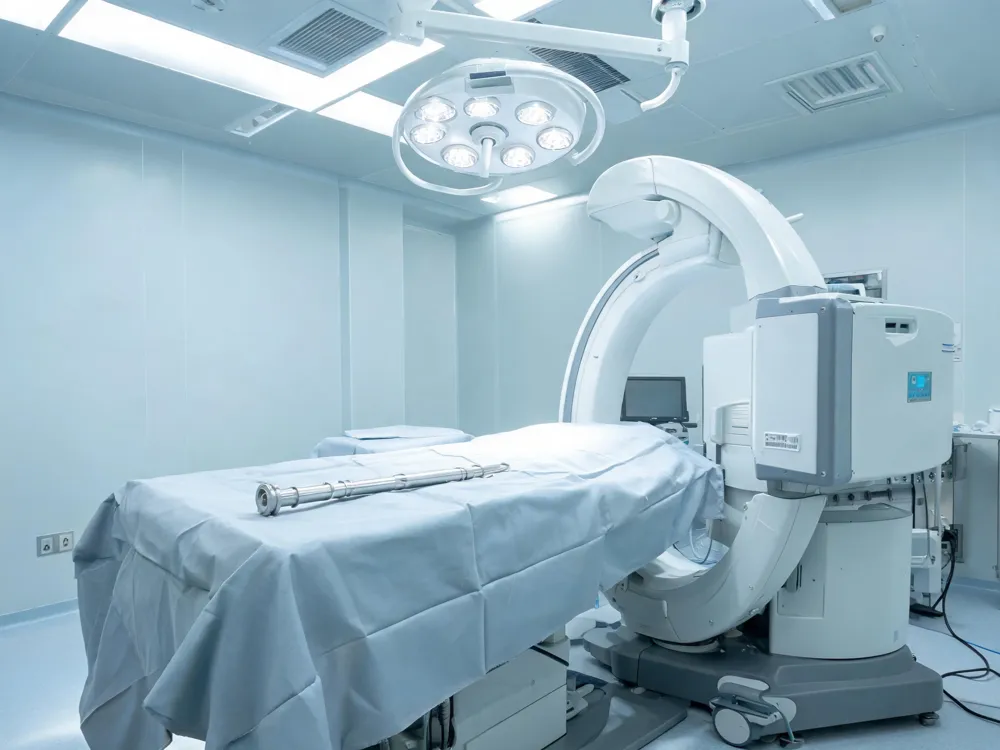 Who is a candidate for minimally invasive spine surgery?
A candidate for minimally invasive spine surgery (MISS) is typically a patient whose back or neck symptoms have persisted despite an adequate trial of evidence‑based conservative care. Conservative measures—such as structured physical‑therapy programs, anti‑inflammatory medication, ergonomic education, and targeted injections—are usually pursued for 6–12 weeks before surgery is considered. When these non‑operative strategies fail to produce meaningful pain relief, functional improvement, or quality‑of‑life gains, the treating spine specialist evaluates the patient for possible operative intervention.
Key eligibility criteria include:
- Clear an diagnosis – Imaging (MRI or CT) must demonstrate a pathology that can be accessed through a small surgical corridor, such as a herniated lumbar disc, foraminal stenosis, or early‑stage degenerative spondylolisthesis. The source of pain should be corroborated by clinical examination (e.g., a positive straight‑leg raise for disc‑related sciatica).
- Limited neurological deficit – Patients with progressive motor weakness, cauda equina syndrome, or severe radiculopathy are often directed to surgery sooner, but the deficits must be amenable to decompression without extensive reconstruction.
- Good overall health – Cardiopulmonary fitness, acceptable body‑mass index (ideally <30 kg/m²), and absence of uncontrolled comorbidities (e.g., severe diabetes, active infection) lower peri‑operative risk and facilitate rapid recovery.
- Realistic expectations – Candidates should understand that MISS aims to relieve nerve compression and reduce pain, not to cure underlying degenerative changes. Post‑operative rehabilitation remains essential.
- Failure of conservative care – Documented non‑response to a minimum of 6–12 weeks of structured PT, medication, and, when indicated, epidural steroid injections.
When these criteria are met, the treating surgeon discusses the specific MISS procedure that best matches the pathology, emphasizing the patient‑first philosophy of the Orthopedic Spine Institute of St. Louis, St surgery is offered only after a thorough, shared‑decision‑making process.
Why minimally invasive techniques matter
Traditional open spine surgery requires large midline incisions, extensive muscle retraction, and prolonged hospital stays. In contrast, MISS employs smaller skin incisions (often 1–2 cm), tubular retractors, and real‑time imaging (fluoroscopy, navigation, or endoscopic cameras) to create a narrow corridor to the target structure. This approach dramatically reduces:
- Muscle disruption – Preservation of the multifidus and erector spinae muscles maintains spinal stability and reduces postoperative atrophy.
- Blood loss – Average intra‑operative blood loss is 20‑30 % lower than with open procedures.
- Hospitalization and recovery time – Many MISS patients are discharged within 24‑48 hours and return to light duties within 2‑4 weeks, compared with 5‑7 days and 6‑8 weeks for open surgery.
- Post‑operative pain – Smaller incisions and less tissue trauma translate into lower VAS pain scores in the first few weeks, often allowing patients to we opioids sooner.
These benefits align with the practice’s goal of minimizing disruption to patients’ lives while still delivering the decompression or stabilization needed for lasting relief.
Common minimally invasive spine procedures offered at OSI
- Microdiscectomy (MIS Discectomy) – A tubular retractor is placed over the affected lumbar level; a microscope or high‑definition camera guides the removal of herniated disc material. Indicated for radicular leg pain (sciatica) caused by a focal disc extrusion.
- Endoscopic Laminectomy / Foraminotomy – Using a percutaneous endoscope, surgeons remove a small portion of the lamina or foraminal bone to relieve spinal stenosis. The technique is especially useful for patients with neurogenic claudication who have failed PT.
- Minimally Invasive Lumbar Fusion (MIS TLIF / LLIF) – When instability or spondylolisthesis is present, percutaneous pedicle screws and interbody cages are placed through tubular pathways. The fusion achieves stability while preserving the surrounding musculature.
- Percutaneous Endoscopic Discectomy – A true endoscopic approach performed through a needle‑sized port; it is an option for patients with contained disc herniations and minimal annular disruption.
All of these procedures are performed by board‑certified spine surgeons who have specialized training in MISS, ensuring that the benefits of reduced tissue trauma are realized without compromising the surgical goals.
Evidence supporting MISS outcomes
Multiple studies, including prospective cohort data and randomized trials, demonstrate that MISS provides comparable long‑term symptom relief to open surgery while offering superior early recovery. For example, a large prospective cohort of 370 patients with lumbar disc herniation showed that open discectomy produced faster back‑pain relief at 6 weeks, but the advantage dissipated by 12 weeks and was not sustained at 1–2 years. When the same pathology is treated with a minimally invasive microdiscectomy, early pain scores are similar to the open approach, yet patients experience less postoperative analgesic use and a quicker return to work.
In addition, systematic reviews of spinal stenosis have reported that decompressive surgery (often performed via minimally invasive laminectomy) yields modest improvements in disability scores at 1–2 years, but the magnitude of benefit diminishes over time. Because MISS reduces the physiological stress of surgery, the risk‑benefit ratio becomes more favorable, especially for patients who are otherwise healthy and motivated to engage in early rehabilitation.
The patient‑first algorithm at the Orthopedic Spine Institute of St. Louis
- Comprehensive evaluation – Detailed history, physical exam, and high‑resolution MRI confirm the diagnosis and guide treatment selection.
- Structured conservative trial – Patients receive a personalized PT program (core stabilization, aerobic conditioning, ergonomic coaching), medication management (NSAIDs, muscle relaxants, gabapentinoids as needed), and, when appropriate, epidural steroid injections.
- Reassessment at 6–8 weeks – Outcome measures (NASS pain and function subscales, SF‑36) are reviewed. If the patient has achieved ≥50 % pain reduction and functional gains, continued conservative care is pursued.
- Shared decision‑making – For those without sufficient improvement, the surgeon discusses the specific MISS option, expected benefits, potential complications (infection 10–10 rad % % injury, dural tear, adjacent‑segment disease), and postoperative rehabilitation plan.
- MISS execution – The chosen minimally invasive procedure is performed under general or spinal anesthesia, using intra‑operative navigation to ensure precise implant placement or decompression.
- Post‑operative pathway – Early ambulation, a brief course of oral analgesics, and a targeted PT program (starting day 1 or 2) facilitate rapid functional recovery.
By following this algorithm, OSI ensures that surgery is truly a last resort, reserved for patients who have exhausted safe, effective non‑operative options and whose anatomy is amenable to a minimally invasive approach.
Frequently asked questions
- What are the risks of MISS? While MISS reduces many of the complications associated with open surgery, risks such as infection, nerve injury, dural tears, and postoperative hematoma still exist, albeit at lower rates (2‑5 % overall for most MISS procedures). The surgeon explains these risks during the consent process.
- How long does recovery take? Most patients can discontinue strong pain medication within 1‑2 weeks and resume light activities (e.g., walking, office work) within 2‑4 weeks. Full return to heavy labor or sports typically occurs by 6‑8 weeks, depending on the specific procedure and patient conditioning.
- Will I need a brace? For most lumbar microdiscectomy or endoscopic decompression cases, a brace is not required. In minimally invasive fusion cases, a lumbar support may be used for comfort during the early postoperative period.
- Can I still have injections after MISS? Yes. Targeted epidural or facet injections can be used post‑operatively if residual inflammation is present, but they are not routinely needed when the decompression is successful.
Bottom line
Minimally invasive spine surgery offers a compelling bridge between the high success rates of surgical decompression and the low‑risk profile of conservative care. By limiting tissue disruption, MISS shortens hospital stays, reduces postoperative pain, and accelerates return to daily activities while preserving the long‑term outcomes achieved by traditional open surgery. At the Orthopedic Spine Institute of St. Louis, patients are first offered a comprehensive, evidence‑based conservative program; only when that program fails to provide adequate relief, and when the anatomy is suitable, is MISS presented as the next logical step. This patient‑first, data‑driven pathway maximizes safety, efficacy, and patient satisfaction, ensuring that every individual receives the right treatment at the right time.
Common Procedures: Discectomy, Laminectomy, and Fusion
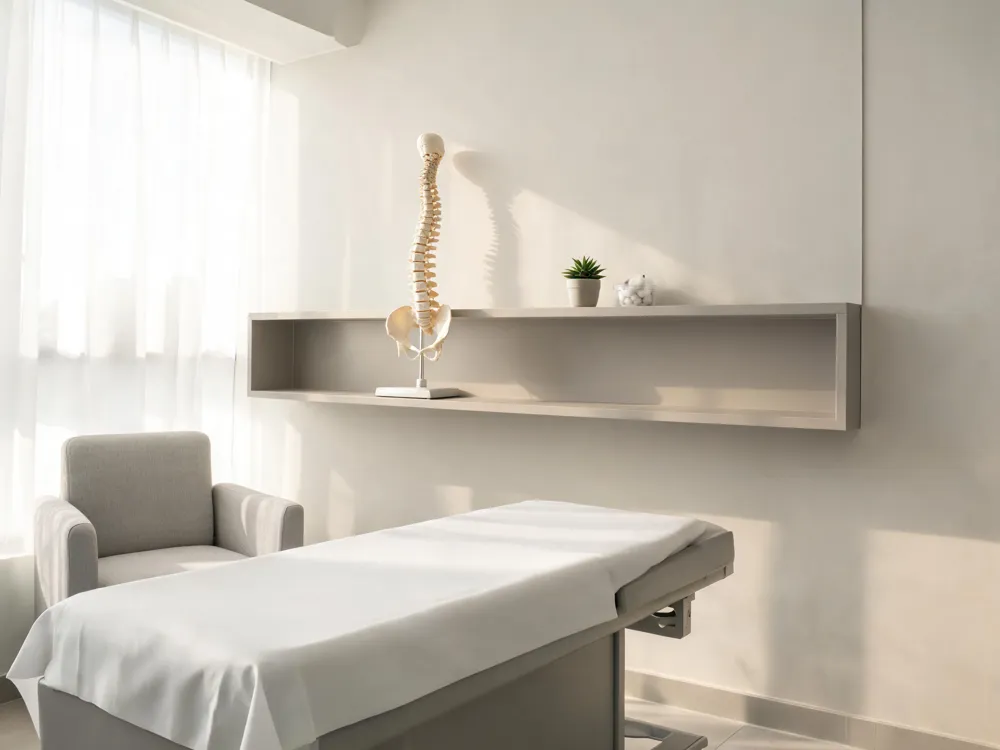 What are the three types of back surgery?
The three main surgical options most patients encounter for lumbar spine problems are discectomy, laminectomy, and spinal fusion. Each procedure addresses a different underlying pathology and is chosen after a thorough, patient‑first evaluation that first exhausts conservative care – physical therapy, medication, injections, lifestyle modification, and education. Below we break down what each surgery does, when it is indicated, typical success rates, and how it fits into the broader treatment algorithm used at the Orthopedic Spine Institute of St. Louis.
1. Discectomy – Removing the offending disc fragment
What it is A discectomy (also called a discectomy) involves removing part or all of a herniated lumbar disc that is pressing on a nerve root. The most common technique today is a micro‑discectomy performed through a small, tubular retractor under microscope or endoscopic visualization. This minimally invasive spine surgery approach reduces muscle disruption, blood loss, and postoperative pain compared with the traditional open discectomy.
When it’s used
- Sciatica from a lumbar disc herniation – especially when the patient has radicular leg pain, numbness, or tingling that does not improve after 6–12 weeks of structured conservative care (physical therapy, NSAIDs, epidural steroid injections, ergonomic education).
- Progressive neurological deficit – such as foot drop or worsening motor weakness that threatens permanent nerve injury.
- Severe structural compression – large sequestrated disc fragments that occupy >30 % of the canal space on MRI.
Success rates and outcomes
- Modern series report 80‑95 % of patients achieving meaningful leg‑pain relief after micro‑discectomy, with most returning to work within 4–6 weeks. The Spine Patient Outcomes Research Trial (SPORT) and multiple meta‑analyses confirm faster symptom relief compared with non‑operative care, especially in the first 6 weeks.
- Long‑term (≥2 years) outcomes are comparable to conservative management for back‑pain severity and overall quality of life, indicating that the main advantage of surgery is a speedy return to function rather than a permanent superiority in pain scores.
- Complication rates for minimally invasive discectomy are low (2‑5 % overall), with rare dural tears, infection, or nerve injury.
Recovery pathway Patients typically leave the hospital the same day or after an overnight stay. Early ambulation, core‑strengthening exercises, and a structured physical therapy program begin within 1–2 days post‑op to protect the operative level and promote a swift return to daily activities.
2. Laminectomy – Decompressing the spinal canal
What it is A laminectomy removes a portion of the vertebral lamina (the roof of the spinal canal) to enlarge the space available for the spinal cord and nerve roots. The procedure can be performed through a traditional open incision or, increasingly, via minimally invasive spine surgery (MISS) techniques that use tubular retractors and endoscopic cameras. The goal is to relieve pressure caused by bone spurs, ligamentum flavum hypertrophy, or disc bulges that produce lumbar spinal stenosis.
When it’s used
- Neurogenic claudication – leg pain, numbness, or weakness that worsens with walking and improves with rest, indicating central canal narrowing.
- Failed conservative therapy – after 6–12 weeks of physical therapy, activity modification, and targeted injections without meaningful symptom reduction.
- Progressive functional limitation – when gait instability, balance problems, or severe pain interfere with work or daily living.
Success rates and outcomes
- Studies show 70‑80 % of patients experience ≥50 % improvement in the Oswestry Disability Index (ODI) at 1‑year follow‑up after laminectomy, especially when performed minimally invasively.
- The systematic review of lumbar spinal stenosis (2025) found that surgery produced superior pain and disability scores at 3–6 months, with benefits persisting to 2–4 years, although the magnitude of advantage diminishes over time.
- Compared with open surgery, MISS laminectomy reduces postoperative pain, shortens hospital stay (often <24 h), and preserves more native tissue, leading to a quicker return to activity.
Recovery pathway Patients are usually discharged within 24 hours. Early mobilization, gentle range‑of‑motion exercises, and a progressive strengthening program are essential. Most patients can resume light daily activities within 2–3 weeks and return to full work duties by 6–8 weeks, depending on the physical demands of their job.
3. Spinal Fusion – Stabilizing the motion segment
What it is Spinal fusion joins two or more vertebrae together, eliminating motion at a painful segment. The procedure can be performed using posterior lumbar interbody fusion (PLIF), transforaminal lumbar interbody fusion (TLIF), or anterior lumbar interbody fusion (ALIF), often with pedicle screws, rods, and interbody cages. Fusion is the definitive treatment for degenerative disc disease, spondylolisthesis, unstable fractures, and some cases of severe spinal stenosis where decompression alone would not provide sufficient stability.
When it’s used
- Instability – demonstrated on dynamic X‑rays or MRI (e.g., >3 mm translation or >10° angulation).
- Failed decompression alone – when the underlying pathology includes both stenosis and segmental motion that threatens recurrent nerve compression.
- Severe degenerative disc disease – when disc degeneration causes chronic back pain unresponsive to 6–12 weeks of intensive conservative therapy.
Success rates and outcomes
- A 2025 systematic review and meta‑analysis of 14 studies (2,399 participants) reported that fusion achieved a mean ODI improvement of –6.3 points and a back‑pain reduction of –3.02 points compared with non‑operative care, with benefits persisting long‑term.
- However, fusion does not significantly reduce leg pain (MD = ‑2.27, p = 0.47) and carries a higher complication profile (2‑5 % for minimally invasive fusion, 10‑15 % for extensive procedures) compared with non‑surgical care.
- Adjacent‑segment disease is a recognized long‑term risk, occurring in 2‑14 % of patients, emphasizing the importance of patient selection and preserving motion whenever possible.
Recovery pathway Because bone healing is required, fusion patients typically wear a brace for several weeks and engage in a graduated physical therapy program that emphasizes core stabilization, low‑impact aerobic conditioning, and gradual return to lifting. Full return to heavy work or sports may take 3–6 months.
4. Artificial Disc Replacement – Preserving motion
What it is Artificial disc replacement (ADR) removes a degenerated disc and implants a prosthetic device that mimics the natural motion of the intervertebral joint. Unlike fusion, ADR maintains segmental mobility, which can reduce the stress placed on adjacent levels.
When it’s used
- Select patients with single‑level lumbar disc degeneration who have persistent back pain but no severe facet joint arthritis or instability.
- Patients who wish to avoid the long‑term risks of fusion, such as adjacent‑segment disease.
Success rates and outcomes
- Clinical trials show ADR provides pain relief comparable to fusion at 2‑year follow‑up, with higher preservation of motion and lower rates of adjacent‑segment degeneration.
- Long‑term data (5‑10 years) suggest sustained functional improvement and patient satisfaction, though the procedure is still limited to carefully screened candidates.
Recovery pathway Recovery is similar to minimally invasive fusion, with a short hospital stay (often outpatient) and early mobilization. Physical therapy focuses on protecting the prosthetic disc while restoring core strength and flexibility.
How These Procedures Fit Into a Patient‑First Treatment Algorithm
At the Orthopedic Spine Institute of St. Louis, we follow a stepwise, evidence‑based pathway that mirrors national guidelines from the American College of Physicians and the North American Spine Society:
- Comprehensive evaluation – detailed history, physical exam, and high‑resolution MRI to pinpoint the pain generator.
- Trial of structured conservative care – 6‑12 weeks of physical therapy (core stabilization, aerobic conditioning, ergonomic training), anti‑inflammatory medication, and, when indicated, targeted epidural steroid injections.
- Re‑assessment – if ≥50 % pain reduction or functional improvement is not achieved, we discuss the role of surgery, reviewing the patient’s goals, occupational demands, and risk tolerance.
- Shared decision‑making – patients are educated on the benefits, risks, and expected recovery timelines of each surgical option. The decision to proceed with a discectomy, laminectomy, fusion, or ADR is made jointly with the surgeon, physical therapy specialist, and pain‑management specialist.
- Minimally invasive first – when surgery is indicated, we prioritize MISS techniques (micro‑discectomy, tubular laminectomy, percutaneous fusion) to minimize tissue disruption, shorten hospital stays, and accelerate return to work.
- Post‑operative rehabilitation – a tailored physical therapy program begins within 1–2 days post‑op, focusing on protecting the surgical site, restoring range of motion, and building core stability. This phase mirrors the conservative‑care principles that helped the patient initially.
By beginning with non‑surgical interventions and reserving surgery for those who truly need it, we achieve outcomes comparable to surgery in the long term while exposing the majority of patients to the lower immediate risk and lower cost of conservative care. When surgery is necessary, the minimally invasive approach ensures the fastest possible relief and quickest return to daily activities.
Frequently Asked Questions (FAQ)
Q: What are the three types of back surgery? A: The three main types of back surgery are spinal fusion, laminectomy, and discectomy.
- Spinal Fusion joins two or more vertebrae to eliminate painful motion, often used for degenerative disc disease, spondylolisthesis, or instability.
- Laminectomy removes part of the vertebra (the lamina) to create more space in the spinal canal, relieving pressure from bone spurs or spinal stenosis.
- Discectomy removes a portion of a herniated disc that is pressing on a nerve root, commonly performed for sciatica or disc‑related leg pain.
These procedures aim to relieve pain by decompressing nerves (discectomy, laminectomy) or stabilizing the spine (fusion) and are typically considered only after a thorough trial of non‑operative treatments has failed.
Bottom Line
- Discectomy provides rapid leg‑pain relief for sciatica, with success rates up to 95 % for micro‑discectomy, but long‑term back‑pain outcomes are similar to conservative care.
- Laminectomy effectively decompresses the spinal canal in stenosis, especially when performed minimally invasively, offering durable functional improvement.
- Spinal Fusion stabilizes unstable segments and can improve back‑pain scores, yet it carries higher complication rates and may predispose adjacent levels to degeneration.
- Artificial Disc Replacement preserves motion and may reduce adjacent‑segment disease, but patient selection is critical.
Choosing the right path starts with conservative care – physical therapy, medication, and injections – and progresses to minimally invasive spine surgery only when the patient’s symptoms, functional limitations, or imaging findings dictate it. This patient‑first, evidence‑based approach maximizes pain relief, minimizes risk, and aligns with the core philosophy of the Orthopedic Spine Institute of St. Louis.
Special Considerations: Age, Scoliosis, and Spinal Stenosis
 Is There an Age Limit for Spinal Surgery?
There is no strict age limit for spinal surgery. Candidacy is determined by a patient's overall health, functional status, and specific medical factors rather than chronological age. Key considerations include medical history, bone density, symptom severity, and the ability to participate in post-operative rehabilitation. With careful selection, patients in their 80s and 90s can safely undergo elective spinal surgery and experience beneficial outcomes. The use of advanced minimally invasive spine surgery techniques has made these procedures safer for older adults by reducing recovery time and minimizing complication risks. The decision is always individualized to ensure the potential benefits of surgery outweigh the risks.
When is Surgery Considered for Scoliosis?
Scoliosis surgery, such as spinal fusion or vertebral body tethering, is generally considered for curves that exceed 45–50 degrees to prevent further progression. Recovery after scoliosis surgery typically involves a hospital stay of 3 to 6 days. The choice of procedure depends on the curve's location, flexibility, and the patient's skeletal maturity. The primary goal is to correct the deformity and provide long-term stability.
Managing Symptomatic Lumbar Spinal Stenosis: Surgery vs. Continued Conservative Care
For patients with symptomatic lumbar spinal stenosis who have not improved after 3–6 months of conservative therapy, surgery provides better clinical outcomes after one year compared to continued non‑operative care. However, this benefit comes with a higher risk of complications. Common surgical options include laminectomy (decompression) with or without spinal fusion. The choice hinges on the severity of symptoms, the presence of instability, and the patient's overall health profile.
The Decision: An Individualized Path
The choice between surgical and conservative paths must be individualized based on several factors, including symptom severity, response to prior non‑surgical treatments, the presence of neurologic deficits, structural pathology, and the patient's personal goals for recovery and activity level. A thorough evaluation by a spine specialist is essential to weigh the risks and benefits of each approach and to create a tailored treatment plan that aligns with the patient's best interests. A patient‑first approach, starting with conservative care and progressing to minimally invasive surgery only when clearly indicated, often optimizes outcomes.
| Condition | Conservative Care Approach | Surgical Considerations | Key Outcome Differences |
|---|---|---|---|
| Lumbar Herniated Disc | Physical therapy, NSAIDs, activity modification | Microdiscectomy for severe radiculopathy | Faster back pain relief with surgery at 6 weeks; similar long‑term outcomes at 1‑2 years |
| Symptomatic Lumbar Spinal Stenosis | Epidural steroid injections, physical therapy | Laminectomy ± fusion after failed conservative care | Better disability scores (ODI) after 1 year with surgery; higher complication rates |
| Scoliosis (Curves >45‑50°) | Bracing (for adolescents), core strengthening | Spinal fusion or vertebral body tethering | Aims to prevent curve progression; recovery involves 3‑6 day hospital stay |
| Spinal Fusion for Chronic Low Back Pain | Multidisciplinary rehab, injections, medication | Fusion for instability or degenerative disc disease | Significant improvement in disability (ODI ‑6.3) and back pain; does not reduce leg pain |
| Pyogenic Spondylodiskitis | Antibiotics, bracing | Debridement and stabilization | Lower mortality (4.2% vs 24.2%) and shorter hospital stay with early surgery |
| Acute Low Back Pain (Non‑specific) | Self‑care, NSAIDs, physical therapy | Surgery not indicated | Most improve within 6 weeks; up to 80% respond to conservative care |
| Sciatica (Severe, 6‑12 weeks) | Prolonged conservative care with option for surgery | Microdiscectomy (early vs. delayed) | Faster leg pain relief with early surgery; 89% undergo surgery in early group vs. 39% in delayed group |
| Elderly Patients (80s‑90s) | Low‑impact therapy, medication management | MISS with careful selection | No strict age limit; overall health, bone density, and rehab ability are key; MISS reduces recovery risks |
Why minimally invasive techniques matter
Traditional open spine surgery requires large midline incisions, extensive muscle retraction, and prolonged hospital stays. In contrast, MISS employs smaller skin incisions (often 1–2 cm), tubular retractors, and real‑time imaging (fluoroscopy, navigation, or endoscopic cameras) to create a narrow corridor to the target structure. This approach dramatically reduces:
- Muscle disruption – Preservation of the multifidus and erector spinae muscles maintains spinal stability and reduces postoperative atrophy.
- Blood loss – Average intra‑operative blood loss is 20-30 % lower than with open procedures.
- Hospitalization and recovery time – Many MISS patients are discharged within 24-48 hours and return to light duties within 2-4 weeks, compared with 5-7 days and 6-8 weeks for open surgery.
- Post‑operative pain – Smaller incisions and less tissue trauma translate into lower VAS pain scores in the first few weeks, often allowing patients to we opioids sooner.
These benefits align with the practice’s goal of minimizing disruption to patients’ lives while still delivering the decompression or stabilization needed for lasting relief.
Common minimally invasive spine surgery procedures offered at OSI
- Microdiscectomy (MIS Discectomy) – A tubular retractor is placed over the affected lumbar level; a microscope or high‑definition camera guides the removal of herniated disc material. Indicated for radicular leg pain (sciatica caused by a focal disc extrusion.
- Endoscopic Laminectomy / Foraminotomy – Using a percutaneous endoscope, surgeons remove a small portion of the lamina or foraminal bone to relieve spinal stenosis. The technique is especially useful for patients with neurogenic claudication who have failed PT.
- Minimally Invasive Lumbar Fusion (MIS TLIF / LLIF) – When instability or spondylolisthesis is present, percutaneous pedicle screws and interbody cages are placed through tubular pathways. The fusion achieves stability while preserving the surrounding musculature.
- Percutaneous Endoscopic Discectomy – A true endoscopic approach performed through a needle‑sized port; it is an option for patients with contained disc herniations and minimal annular disruption.
All of these procedures are performed by board‑certified spine surgeons who have specialized training in MISS, ensuring that the benefits of reduced tissue trauma are realized without compromising the surgical goals.
Evidence supporting MISS outcomes
Multiple studies, including prospective cohort data and randomized trials, demonstrate that MISS provides comparable long‑term symptom relief to open surgery while offering superior early recovery. For example, a large prospective cohort of 370 patients with lumbar disc herniation showed that open discectomy produced faster back‑pain relief at 6 weeks, but the advantage dissipated by 12 weeks and was not sustained at 1–2 years. When the same pathology is treated with a minimally invasive microdiscectomy, early pain scores are similar to the open approach, yet patients experience less postoperative analgesic use and a quicker return to work.
In addition, systematic reviews of spinal stenosis have reported that decompressive surgery (often performed via minimally invasive laminectomy) yields modest improvements in disability scores at 1–2 years, but the magnitude of benefit diminishes over time. Because MISS reduces the physiological stress of surgery, the risk‑benefit ratio becomes more favorable, especially for patients who are otherwise healthy and motivated to engage in early rehabilitation.
The patient‑first algorithm at the Orthopedic Spine Institute of St. Louis
- Comprehensive evaluation – Detailed history, physical exam, and high‑resolution MRI confirm the diagnosis and guide treatment selection.
- Structured conservative trial – Patients receive a personalized PT program (core stabilization, aerobic conditioning, ergonomic coaching), medication management (NSAIDs, muscle relaxants, gabapentinoids as needed), and, when appropriate, epidural steroid injections.
- Reassessment at 6–8 weeks – Outcome measures (NASS pain and function subscales, SF‑36) are reviewed. If the patient has achieved ≥50 % pain reduction and functional gains, continued conservative care is pursued.
- Shared decision‑making – For those without sufficient improvement, the surgeon discusses the specific MISS option, expected benefits, potential complications (infection 10–10 rad % % injury, dural tear, adjacent‑segment disease), and postoperative rehabilitation plan.
- MISS execution – The chosen minimally invasive procedure is performed under general or spinal anesthesia, using intra‑operative navigation to ensure precise implant placement or decompression.
- Post‑operative pathway – Early ambulation, a brief course of oral analgesics, and a targeted PT program (starting day 1 or 2) facilitate rapid functional recovery.
By following this algorithm, OSI ensures that surgery is truly a last resort, reserved for patients who have exhausted safe, effective non‑operative options and whose anatomy is amenable to a minimally invasive approach.
Frequently asked questions
- What are the risks of MISS? While MISS reduces many of the complications associated with open surgery, risks such as infection, nerve injury, dural tears, and postoperative hematoma still exist, albeit at lower rates (2‑5 % overall for most MISS procedures). The surgeon explains these risks during the consent process.
- How long does recovery take? Most patients can discontinue strong pain medication within 1‑2 weeks and resume light activities (e.g., walking, office work) within 2‑4 weeks. Full return to heavy labor or sports typically occurs by 6‑8 weeks, depending on the specific procedure and patient conditioning.
- Will I need a brace? For most lumbar microdiscectomy or endoscopic decompression cases, a brace is not required. In minimally invasive fusion cases, a lumbar support may be used for comfort during the early postoperative period.
- Can I still have injections after MISS? Yes. Targeted epidural or facet injections can be used post‑operatively if residual inflammation is present, but they are not routinely needed when the decompression is successful.
Bottom line
Minimally invasive spine surgery offers a compelling bridge between the high success rates of surgical decompression and the low‑risk profile of conservative care. By limiting tissue disruption, MISS shortens hospital stays, reduces postoperative pain, and accelerates return to daily activities while preserving the long‑term outcomes achieved by traditional open surgery. At the Orthopedic Spine Institute of St. Louis, patients are first offered a comprehensive, evidence‑based conservative program; only when that program fails to provide adequate relief, and when the anatomy is suitable, is MISS presented as the next logical step. This patient‑first, data‑driven pathway maximizes safety, efficacy, and patient satisfaction, ensuring that every individual receives the right treatment at the right time.
Chronic low back pain affects ~80% of adults at some point.
Making an Informed Choice: A Patient-First Approach
 Why back surgery should be avoided
Back surgery should typically be avoided unless absolutely necessary because most back and neck pain resolves with conservative treatments like physical therapy, medication, or injections. Surgery carries inherent risks such as infection, nerve damage, or failed‑back syndrome, and recovery can be lengthy and challenging. Many conditions improve over time without surgical intervention, making a patient‑first approach focused on nonsurgical options the safest and most effective path. Minimally invasive procedures may be appropriate for specific cases, but only after exhausting conservative measures and confirming surgery will provide clear benefit. Consulting with a spine specialist ensures you explore all alternatives before considering an operation.
Why back surgery should be avoided
Back surgery should typically be avoided unless absolutely necessary because most back and neck pain resolves with conservative treatments like physical therapy, medication, or injections. Surgery carries inherent risks such as infection, nerve damage, or failed‑back syndrome, and recovery can be lengthy and challenging. Many conditions improve over time without surgical intervention, making a patient‑first approach focused on nonsurgical options the safest and most effective path. Minimally invasive procedures may be appropriate for specific cases, but only after exhausting conservative measures and confirming surgery will provide clear benefit. Consulting with a spine specialist ensures you explore all alternatives before considering an operation.
Accurate diagnosis through history, physical exam, and imaging is essential to determine the appropriate path
A precise diagnosis is the cornerstone of any successful spine treatment plan. The process begins with a detailed medical history that captures the onset, duration, and character of pain, any neurologic symptoms (numbness, tingling, weakness), and functional limitations. A thorough physical examination follows, assessing range of motion, strength, reflexes, and special tests that can localize nerve root irritation or spinal instability.
Imaging studies, when indicated, provide the objective evidence needed to match symptoms with the underlying structural problem. MRI remains the gold standard for evaluating disc herniation, nerve root compression, and soft‑tissue pathology, while CT offers superior bone detail for stenosis or facet arthropathy. In selected cases, dynamic X‑rays may reveal instability that is not apparent on static studies. By integrating history, physical findings, and imaging, the spine team can distinguish between conditions that are likely to improve with non‑surgical care and those that may truly require operative decompression or stabilization.
Shared decision‑making with a spine specialist, neurologist, and surgeon
The decision between conservative and surgical care is rarely a binary choice made in isolation. A collaborative, patient‑first model encourages open dialogue among the patient, a primary spine specialist, a neurologist (when neurologic deficits are present), and a surgeon. During this shared decision‑making process, the clinician explains the nature of the pathology, expected natural history, and the realistic outcomes of each treatment option.
Evidence‑based information—such as the magnitude of early pain relief after discectomy versus the comparable mid‑ and long‑term outcomes of structured physical therapy—helps set appropriate expectations. Patients are invited to voice their goals, work needs, tolerance for risk, and personal preferences. This transparent conversation not only empowers patients but also aligns treatment with their values, ultimately improving satisfaction and adherence.
The Orthopedic Spine Institute of St. Louis prioritizes conservative care first, progressing to minimally invasive surgery only when clinically indicated and after shared decision‑making
At the Orthopedic Spine Institute of St. Louis (OSI), the treatment algorithm embodies the patient‑first philosophy. Initial evaluation includes a comprehensive assessment, followed by a structured trial of evidence‑based conservative therapies lasting 6–12 weeks. Core components of this trial are:
- Physical therapy – individualized programs that emphasize core stabilization, flexibility, aerobic conditioning, and movement pattern correction.
- Medication management – NSAIDs, muscle relaxants, neuropathic agents, and short‑term opioid use when necessary, all tailored to minimize side effects.
- Targeted injections – epidural steroid injections or facet joint blocks to reduce inflammation and allow participation in rehab.
- Lifestyle and ergonomic education – guidance on posture, activity modification, weight management, and smoking cessation.
Progress is monitored regularly using validated outcome measures (NASS pain and function subscales, SF‑36, Oswestry Disability Index). If a patient fails to achieve a clinically meaningful reduction in pain (≥50 % improvement) or functional gain after the prescribed period, the team revisits the diagnosis, re‑images if needed, and discusses minimally invasive surgical options such as micro‑discectomy or endoscopic decompression. The transition to surgery is never automatic; it is a joint decision based on objective data, symptom severity, and patient preference.
Studies show that patients who start with conservative treatment and transition to surgery if needed have similar long‑term outcomes to those who undergo surgery initially, but with lower costs and fewer procedures
Large prospective cohorts and randomized trials consistently demonstrate that early surgical intervention provides faster relief of back pain and sciatica—often within the first 6 weeks—but that these early advantages dissipate by 12 weeks and are not sustained at 1‑ or 2‑year follow‑up. One prospective cohort of 370 patients with symptomatic lumbar disc herniation found a mean back‑pain reduction of 0.97 points on a 0‑10 NASS scale at 6 weeks for surgery versus conservative care, and a 34 % higher rate of ≥50 % pain improvement. However, at 12 weeks, 1 year, and 2 years, there were no statistically significant differences in back pain, neurogenic symptoms, functional disability, or quality‑of‑life scores.
Importantly, the same cohort reported that patients who began with a structured conservative regimen and only proceeded to open discectomy when indicated achieved comparable functional outcomes at 2 years while avoiding unnecessary surgery in the majority (≈80 %). This “step‑up” approach aligns with the broader literature, including the SPORT trial and multiple meta‑analyses, which show that surgery confers a modest short‑term advantage but no long‑term superiority for most patients with lumbar disc herniation or mild‑to‑moderate stenosis.
From a health‑economics perspective, the conservative‑first pathway reduces overall costs. Conservative care incurs lower direct expenses (physical therapy visits, medication, occasional injections and avoids the indirect costs associated with surgical complications, longer rehabilitation, and time off work. Moreover, patients who avoid surgery altogether are spared the risk of infection, dural tears, or adjacent‑segment disease—complications that, while infrequent, can be serious and costly.
Insurance often requires documentation of failed conservative therapy before authorizing surgery, reinforcing the value of a well‑structured conservative trial
Payers across the United States routinely mandate a trial of non‑operative management before approving surgical procedures for back pain, disc herniation, or spinal stenosis. This policy reflects both clinical evidence and cost‑containment goals. Documentation typically includes:
- A written treatment plan outlining physical therapy frequency, medication regimen, and any injection dates.
- Objective outcome measures (e.g., NASS pain scores, ODI, SF‑36 demonstrating insufficient improvement after 6–12 weeks.
- Progress notes from the treating therapist or pain specialist confirming adherence to the program.
By adhering to this documentation protocol, patients and providers ensure that surgery is reserved for cases where the likelihood of benefit outweighs the inherent risks. The requirement also encourages clinicians to deliver high‑quality, evidence‑based conservative care—exactly the model championed by OSI.
Putting it all together: a roadmap for the patient‑first journey
- Initial Evaluation – Detailed history, physical exam, and appropriate imaging to pinpoint the source of pain.
- Evidence‑Based Conservative Trial (6–12 weeks) – Structured physical therapy, medication optimization, targeted injections, and lifestyle counseling.
- Regular Reassessment – Use validated scales (NASS, SF‑36, ODI to track pain, function, and quality of life; adjust the program as needed.
- Shared Decision‑Making – Discuss progress, remaining symptoms, and the potential role of surgery with the spine team.
- Transition to Minimally Invasive Surgery (if indicated) – Proceed only after documented failure of conservative care, with clear goals for pain relief and functional recovery.
- Post‑Operative Rehabilitation – Early, guided physical therapy to reinforce core stability and promote a swift return to activity.
By following this roadmap, patients benefit from the safest, most cost‑effective care first. reserves the option of surgery for those who truly need it, while avoiding unnecessary procedures and their associated complications.
Key Take‑aways
- Accurate diagnosis and imaging guide the selection of the most appropriate treatment pathway.
- Collaborative, shared decision‑making ensures that patient values and clinical evidence drive the plan.
- OSI’s patient‑first model prioritizes a structured, evidence‑based conservative trial before any surgical intervention.
- Long‑term outcomes are comparable between early surgery and a conservative‑first approach, but the latter typically incurs lower costs and fewer risks.
- Insurance policies reinforce the importance of a documented conservative trial, making it both a clinical and administrative imperative.
Choosing the right path for back or neck pain is a nuanced decision. By starting with proven non‑surgical therapies, closely monitoring progress, and only moving to minimally invasive surgery when clearly indicated, patients can achieve optimal pain relief, functional recovery, and overall quality of life—while minimizing exposure to the inherent risks of operative care.
Your Path to Relief Starts Here
Choosing between surgery and conservative care for a spine condition is rarely a simple decision. Evidence shows that both pathways are valuable, and the right choice depends on your specific diagnosis, the severity of your symptoms, and your personal health goals. A thoughtful, informed approach leads to the best outcomes.
The Role of Conservative Care
Conservative care is the recommended first step for most spine conditions. Studies consistently show that non-surgical treatments are safe and effective, and many patients find significant relief without ever needing an operation.
- Effective relief: Research shows that up to 60-80% of patients with acute low back pain improve within 6-12 weeks of physical therapy, anti-inflammatory medications, and activity modification.
- Foundation of treatment: Physical therapy, core strengthening, and posture correction target the root cause of pain and improve long-term spinal health.
- Lower risk: Conservative care carries minimal risk of serious complications compared to surgery, making it a safe starting point.
For conditions like herniated discs, muscle strains, and mild spinal stenosis, a course of conservative care often provides lasting relief. When symptoms improve, surgery is not needed.
When Surgery Becomes the Right Choice
While conservative care is effective for many, surgery remains a powerful option for specific situations. The evidence supports surgery when symptoms are severe, persistent, or progressive.
- Faster relief for severe symptoms: In cases of lumbar disc herniation causing significant leg pain (sciatica), surgery (like microdiscectomy) provides faster pain relief within the first 6-12 weeks compared to continued conservative care.
- Better function at one year: For lumbar spinal stenosis, a systematic review found that surgery leads to greater improvement in disability, pain, and quality of life at one year compared to continued non-operative treatment.
- Clear indications: Surgery becomes necessary when there is progressive neurological weakness (like foot drop), loss of bowel or bladder control, severe instability, or a structural abnormality that doesn’t respond to conservative measures.
Importantly, long-term outcomes (beyond 1-2 years) are often similar between surgical and conservative groups. The main advantage of surgery is providing faster, more substantial relief for those who need it.
Evidence-Based Decision Making
Here is a summary of what the evidence tells us about treatment outcomes.
| Condition | Time Frame | Surgery vs. Conservative | Key Finding |
|---|---|---|---|
| Lumbar Disc Herniation | 6 weeks | Surgery superior | Faster back and leg pain relief with surgery. |
| Lumbar Disc Herniation | 1 year | Surgery slightly better | Modest improvement in physical function. |
| Lumbar Disc Herniation | 2 years | No significant difference | Long-term outcomes are equivalent. |
| Lumbar Spinal Stenosis | 1 year | Surgery superior | Better disability and pain scores. |
| Lumbar Spinal Stenosis | 2-4 years | Surgery superior | Benefit persists, though magnitude diminishes. |
| Chronic Back Pain (Fusion) | Long-term | Surgery superior for back pain | Significant reduction in back pain and disability, but higher risk. |
Putting It All Together: A Patient-First Path
The best path to relief is an individualized one. At the Orthopedic Spine Institute of St. Louis, Dr. David S. Raskas and our team are committed to a patient-first philosophy. This means we start by fully understanding your diagnosis and goals.
- Start conservatively: Your journey will almost always begin with a structured trial of non-surgical treatments, such as physical therapy, medication management, or targeted injections.
- Consider surgery when needed: If your symptoms do not improve after a reasonable period (usually 6-12 weeks) or if you have severe neurological deficits, we offer advanced minimally invasive spine surgery. These techniques result in smaller incisions, less postoperative pain, and faster recovery than traditional open surgery.
- Shared decision-making: We provide you with clear, evidence-based information so we can make a decision together that aligns with your values and lifestyle.
Ultimately, the goal is to pursue the least invasive treatment that can provide meaningful and lasting relief. Whether that is physical therapy or a surgical procedure, you will be guided every step of the way.
Take the Next Step
Your path to relief starts with understanding your options. We invite you to take the next step.
- Explore our website to learn about the conditions we treat and the treatment options we offer, from conservative therapies to minimally invasive surgery.
- Verify your insurance coverage to understand your benefits.
- Complete secure intake forms before your visit to save time.
- Schedule a consultation with Dr. David S. Raskas to discuss your symptoms, review your imaging, and create a personalized spine care plan that is right for you.