Overview of Lumbar Disc Replacement and Its Impact
What is Lumbar Disc Replacement?
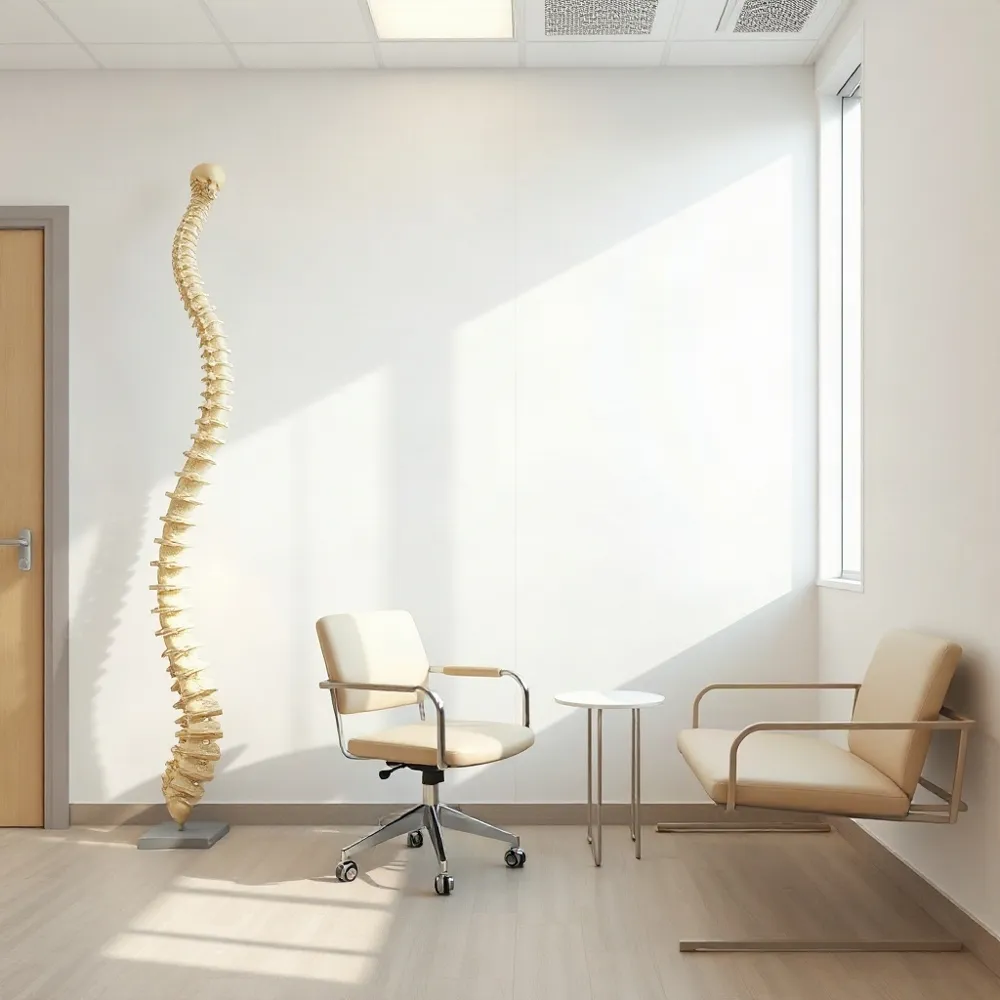
Lumbar disc replacement is a surgical procedure that replaces a damaged or worn disc in the lower spine with an artificial implant made from metal and plastic components. This artificial disc aims to restore the height and function of the original disc, alleviating pain while preserving the natural motion of the spine.
How It Differs From Spinal Fusion
Unlike traditional spinal fusion, which permanently joins two vertebrae and limits spine mobility, lumbar disc replacement preserves movement between the vertebrae. This helps maintain bending, twisting, and flexing capabilities, potentially reducing stress on adjacent discs and lowering the risk of further degeneration.
Patient Outcomes and Improvements
Patients undergoing lumbar disc replacement generally experience significant pain relief and improvement in daily function. Recovery is often quicker than fusion surgery, with many patients resuming normal activities within weeks. Though complete pain elimination is not guaranteed, the procedure can enhance quality of life by restoring mobility and reducing disability associated with degenerative disc disease.
Key Facts List: Lumbar Disc Replacement and Surgery
- Lumbar disc replacement preserves spinal motion, unlike fusion, improving mobility and reducing adjacent segment stress.
- Risks of lumbar disc replacement include infection, nerve injury, implant failure, and dislocation, requiring skilled surgical technique.
- Suitable candidates are aged 18-60, with one or two degenerated discs, no severe joint disease, and no prior major spine surgeries.
- Postoperative recovery for lumbar disc replacement is faster, with many patients returning to activity within 2-3 weeks.
- Implant-related complications such as failure, dislocation, and heterotopic ossification can affect outcomes and may require revision surgery.
- Long-term studies show lumbar disc replacements have good durability with over 7-10 years of sustained pain relief and low revision rates.
- Lumbar disc replacement may lower the risk of adjacent segment degeneration compared to fusion, due to maintained spinal motion.
- Revision surgeries are more complex and higher risk because of scar tissue and altered anatomy, often leading to fusion procedures.
- Early mobilization and rehabilitation post-surgery are crucial for optimal recovery and spinal flexibility, starting within days after surgery.
- Lifestyle factors such as smoking and obesity negatively influence outcomes, emphasizing the importance of healthy habits before and after surgery.
1. Preservation of Spinal Mobility Versus Surgical Complexity and Risks

What are the benefits of lumbar disc replacement compared to spinal fusion?
Lumbar disc replacement benefits offers a distinctive advantage over spinal fusion by preserving the natural motion of the spine. Unlike fusion, which permanently joins vertebrae and restricts spinal mobility, lumbar disc replacement allows patients to maintain bending, twisting, and flexing capabilities. This preservation of motion helps reduce stress on adjacent spinal segments, potentially lowering the risk of further degeneration. Additionally, patients often experience faster recovery times and an improved quality of life due to retained spinal flexibility.
What are the general risks associated with undergoing lumbar disc replacement surgery?
As a major surgical procedure requiring general anesthesia and an abdominal incision, lumbar disk replacement surgery involves several risks. These include infection, nerve injury, bleeding, blood clots, and anesthesia-related complications. Specific implant-related risks consist of malpositioned implants, implant dislocation, loosening, or wear over time. The complexity of the surgery, including the need for a coordinated surgical team, underscores the importance of thorough preoperative planning and skilled surgical technique. Despite these risks, studies indicate that with proper patient selection and surgical expertise, complication rates are comparable to traditional fusion surgery.
Why is patient selection crucial for lumbar disc replacement?
Patient selection is a vital factor in the success of Lumbar disc replacement. Ideal candidates typically have one or two degenerated discs causing pain, no severe joint disease or nerve compression, and no significant spinal deformities or previous major spine surgeries. Factors like smoking cessation, maintaining a healthy weight, and overall good health improve surgical outcomes and reduce complication risks. Careful imaging diagnostics—including MRI and CT scans for spine evaluation—help confirm suitable candidates, ensuring that those undergoing lumbar disc replacement surgery are likely to benefit from preserved spinal motion with an acceptable risk profile.
2. Pain Relief and Functional Improvement Balanced with Potential Implant-Related Complications
How effective is lumbar disc replacement in relieving back pain?
Lumbar disc replacement is a surgical procedure designed to reduce back pain by removing the damaged disc and replacing it with an artificial disc implant that preserves spinal motion. Clinical studies show significant reductions in both pain and disability scores after the surgery. Many patients report improved function and quality of life as early as three months post-operation, with sustained benefits observed over several years. This improvement often allows patients to return to their daily activities with less discomfort compared to traditional fusion surgery. For detailed clinical outcomes and comparisons, see Lumbar disc replacement vs fusion outcomes.
What are common implant-related complications of lumbar disc replacement?
Despite its benefits, lumbar disc replacement carries risks related to the implanted artificial disc. Common complications include implant failure, which may occur through fracture, loosening, or wear over time. The prosthetic may also dislocate or subsidence into the vertebral endplates if not properly positioned, potentially requiring revision surgery. Additionally, heterotopic ossification—abnormal bone growth around the implant—can lead to stiffness and contribute to facet joint degradation, which has been noted as a major cause of failure in some cases. Further details on complications and surgical challenges are available.
Impact on patient quality of life and recovery
The preservation of spinal motion after disc replacement often leads to faster recovery times and less impact on adjacent spinal segments compared to fusion. These advantages support improved overall patient satisfaction and functional outcomes. However, it is important for patients to have realistic expectations: while pain is often decreased substantially, complete elimination of back pain is not guaranteed. Explore more on recovery timelines and postoperative outcomes and postoperative care.
Managing expectations for optimal results
Successful outcomes depend on careful patient selection, surgical technique, and postoperative care. Patients should understand that lumbar disc replacement is aimed at significant pain relief and improved mobility but carries inherent risks of implant-related complications that may necessitate further treatment. Following postoperative instructions and maintaining spine-healthy habits are essential for maximizing the benefits of the procedure. Additional insights on risks, benefits, and clinical evidence are recommended for a comprehensive understanding.
3. Faster Postoperative Recovery Alongside the Risk of Surgical Complications
How does recovery after lumbar disc replacement compare to fusion surgery?
Recovery following lumbar disc replacement surgery is generally faster and less restrictive than after spinal fusion. Patients typically stay in the hospital for about 1 to 3 days, benefiting from earlier mobilization since there is no need for the vertebrae to fuse together. This absence of bone healing requirements allows many patients to begin walking, stretching, and light exercises soon after surgery, with some returning to work within 2-3 weeks depending on their individual health and job demands. The quicker recovery supports preservation of spinal motion and helps patients regain mobility and function sooner than fusion surgery, which usually involves longer immobilization.
Why is early mobilization and rehabilitation important?
Early post-operative movement is encouraged to maintain spinal flexibility and promote healing. Walking and specialized exercises start within the first few days post-surgery to reduce stiffness, prevent blood clots, and support overall recovery. Rehabilitation focuses on proper movement techniques and gradually increasing activity levels while avoiding jarring or high-impact motions for several weeks. This patient-focused approach helps optimize surgical outcomes and enhances quality of life after lumbar disc replacement.
What is the typical hospital stay duration for this procedure?
Hospitalization usually lasts between one and three days. Many patients can begin walking on the same day or the day after surgery with guidance from their medical team. Compared to fusion surgery, which often requires longer hospital stays, lumbar disc replacement offers a shorter inpatient period reflecting a less invasive recovery process.
What perioperative complications may arise during lumbar disc replacement?
Lumbar disc replacement carries risks common to major surgeries but also some specific to the procedure. There is a somewhat higher incidence of venous injury during the operation, primarily due to the complex vessel retraction required in the anterior abdominal approach. Superficial wound infections occur more frequently than with fusion, though deep infections are rare. Other potential complications include implant dislocation, nerve damage, blood clots, implant wear or loosening, and nerve injury. A skilled multidisciplinary surgical team plays a crucial role in minimizing these risks through careful patient selection and surgical technique, as described in lumbar total disc replacement (TDR) complications.
| Aspect | Lumbar Disc Replacement | Lumbar Fusion Surgery |
|---|---|---|
| Hospital Stay | 1–3 days | Longer, several days |
| Recovery Time | Faster, often 2–3 weeks to resume activity | Slower, several months for fusion to heal |
| Early Mobilization | Encouraged within 24–72 hours | Delayed due to fusion and healing process |
| Common Perioperative Risks | Venous injury, superficial infection, blood clots | Infection, pseudarthrosis, adjacent segment degeneration |
This balanced profile of benefits and risks underscores the importance of choosing experienced surgeons and adhering to postoperative care plans to maximize successful outcomes after lumbar disk replacement surgery.
4. Long-Term Success and Limitations Including Adjacent Segment Preservation Versus Revision Surgery Concerns
How durable are lumbar disc replacements over time?
Lumbar disc replacements have demonstrated promising long-term durability. Studies report significant improvements in pain and disability sustained over follow-up periods exceeding 7 to 10 years. Devices such as M6-L have shown maintained motion without evidence of wear-induced damage or device failure. The low revision rates, less than 2% at the index level in some large cohorts, affirm their longevity when properly implanted. For detailed clinical outcomes and long-term follow-up, see Lumbar total disc replacement (TDR) complications and Lumbar total disc replacement.
Does lumbar disc replacement reduce the risk of adjacent segment degeneration?
By preserving the natural motion of the treated spinal segment, lumbar disc replacement possibly reduces stress transferred to adjacent spinal levels. This biomechanical advantage contrasts with fusion surgery, which restricts motion and may increase adjacent segment degeneration. Some long-term studies suggest a lower incidence of adjacent segment disease requiring surgery in disc replacement patients, although continued research is needed to confirm this benefit definitively. For more on biomechanics and adjacent segment effects, refer to Lumbar disc replacement benefits and Lumbar total disc replacement.
What challenges are associated with revision surgeries after disc replacement?
Revision surgeries after failed lumbar disc replacements are often complex and carry increased risks. Common reasons for revision include implant loosening, subsidence, or persistent pain. Such procedures frequently involve implant removal and conversion to spinal fusion, which can be technically demanding due to scar tissue and altered anatomy. Outcomes after revision surgeries may be less predictable and carry higher morbidity than primary replacements. Additional information on revision surgery can be found in Revision surgeries after lumbar disc replacement and Lumbar total disk replacement revision surgery challenges.
What factors influence long-term success of lumbar disc replacement?
Successful long-term outcomes depend on careful patient selection, precise surgical technique, and appropriate implant positioning. Ideal candidates are nonsmokers, without significant facet joint disease or spinal deformities. Proper preservation of ligaments, especially the anterior longitudinal ligament, and avoiding over-aggressive bone removal help prevent complications like facet joint degeneration. Postoperative rehabilitation and lifestyle factors, such as maintaining a healthy weight and avoiding smoking, also contribute to sustained success. For comprehensive guidance on patient selection and surgical technique, see Patient selection for lumbar total disc replacement and Lumbar disc replacement procedure.
| Aspect | Description | Impact on Outcomes |
|---|---|---|
| Durability | Long-lasting with low revision rates | Sustains pain relief and motion preservation; see Long-term outcomes of lumbar disc replacement |
| Adjacent Segment Preservation | Motion preservation reduces adjacent stress | Potentially less adjacent segment degeneration; details at Biomechanical changes after lumbar disc replacement |
| Revision Surgery Complexity | Implant failure necessitates challenging revisions | Higher risk and less predictable salvage outcomes; refer to Revision surgery risks |
| Patient Selection | Nonsmokers, no deformity, appropriate disc disease | Critical to minimizing complications and failure; see Patient selection for lumbar TDR |
| Surgical Technique | Accurate implant placement, ligament preservation | Prevents facet degradation and improves outcomes; consult Surgical technique impact on TDR outcomes |
5. Patient Selection and Lifestyle Impacts: Optimizing Benefits and Minimizing Risks

Who are the best candidates for lumbar disc replacement surgery?
Ideal candidates for lumbar disc replacement surgery are individuals typically between 18 and 60 years of age. They usually experience symptomatic degeneration in one or two lumbar discs without significant bone or joint diseases such as osteoporosis or spinal deformities like scoliosis. Candidates for ADR surgery should have no history of major spinal surgeries and present with discogenic back pain that has not responded to at least six months of conservative treatment. This careful patient selection helps ensure the procedure's success and minimizes the risk of complications.
How do patient lifestyle factors influence lumbar disc replacement outcomes?
Lifestyle factors greatly impact the outcomes of lumbar artificial disc replacement surgery. Smoking has been shown to negatively affect healing and increase the risk of complications. Similarly, obesity puts extra stress on the spine, which can compromise the longevity of the artificial disc implant. Prior spinal surgeries can also complicate the procedure and recovery, increasing chances of poorer results. Therefore, it is essential for patients to adopt healthier habits by quitting smoking, achieving a healthy weight, and maintaining overall wellness prior to surgery.
Importance of conservative treatment attempts before surgery
Patients are typically advised to undergo at least six months of non-surgical treatments such as physical therapy, medications, and lifestyle modifications before considering lumbar disk replacement surgery. This approach ensures surgery is reserved for those who truly need it after exhausting less invasive options.
Lifestyle modifications to improve surgical success
To optimize surgical outcomes, patients should stop smoking well before surgery, work with their healthcare providers to manage weight, and stay engaged in spine-friendly exercises. These changes not only improve healing but also support long-term spine health and reduce the risk of future complications or adjacent segment disease.
| Aspect | Details | Clinical Importance |
|---|---|---|
| Age Range | 18 to 60 years | Ensures skeletal maturity and better recovery |
| Disc Condition | One or two degenerated lumbar discs | Targets source of pain effectively |
| Health Factors | No osteoporosis, major joint disease, or deformities | Reduces surgical risks and implant failures |
| Prior Surgeries | None or minimal prior lumbar surgeries | Minimizes complications |
| Lifestyle Habits | Non-smoking, healthy weight | Improves healing and reduces risk of complications |
| Conservative Therapy | At least six months of unsuccessful non-surgical care | Confirms need for surgery |
Balancing Risks and Benefits to Make Informed Decisions about Lumbar Disc Replacement
Understanding the Benefits and Risks
Lumbar disc replacement offers significant benefits such as preserving spinal mobility, reducing pain, and promoting faster recovery compared to fusion surgery. It helps maintain natural spine movement, potentially reducing stress on adjacent discs and improving quality of life. However, risks include infection, implant dislocation or failure, nerve injury, blood clots, and complications like implant loosening or facet joint degradation.
Importance of Specialist Consultation
Choosing lumbar disc replacement requires thorough evaluation by experienced spine specialists. They assess patient health, disc degeneration severity, and rule out contraindications such as osteoporosis or spinal deformities. This ensures careful patient selection to maximize success and minimize complications.
Personalized Treatment Planning
Each patient's condition and lifestyle are unique, so personalized treatment plans are vital. Specialists tailor surgical approaches and postoperative care to individual needs, including rehabilitation and lifestyle modifications like weight management and smoking cessation, ensuring the best possible outcomes and informed decision-making.