Why Focused Expertise Matters for Your Neck Pain
Despite affecting one in three adults each year, neck pain is often managed through a frustrating trial-and-error process. Patients jump between general practitioners, physical therapists, and online advice without finding lasting relief. A specialist who dedicates their practice to the cervical spine—a complex structure of over 20 muscles, eight pairs of nerves, and seven bones supporting an 11-pound head—changes this dynamic entirely.
Focused expertise eliminates guesswork, accelerates recovery, and prevents minor issues from becoming chronic problems. Here are evidence-based reasons to consult a neck pain specialist.
The Critical Role of Accurate Diagnosis
A specialist's training allows them to detect subtle signs that general practitioners may miss. Research from the National Institutes of Health shows spine specialists identify spinal irregularities with 40% greater accuracy than non-specialists. This precision is vital because structural problems on X-ray or MRI do not always cause symptoms; a specialist knows how to correlate imaging with your specific history and physical exam.
Accurate diagnosis also means distinguishing between conditions that present similarly—such as spinal stenosis, herniated discs, and spondylolisthesis. Misdiagnosis by a non-specialist can lead to ineffective treatment or unnecessary procedures. For example, arm numbness might be dismissed as a simple nerve issue when it actually signals spinal cord compression requiring urgent care.
Early Intervention Prevents Chronic Problems
Timing matters. Patients who seek specialist care within the first six weeks of pain have a 50% higher chance of full recovery. Early intervention allows less invasive treatments—including physical therapy, targeted exercises, and rehabilitative programs—before conditions escalate to require surgery. Studies indicate that 65% of chronic spinal problems could have been managed more effectively with earlier diagnosis.
Untreated neck pain does not stay static. Minor issues like early disc herniation or sciatica can progress to permanent nerve damage if ignored. A specialist’s prompt care prevents this downward spiral, saving you from long-term disability and higher healthcare costs.
Personalized, Evidence-Based Treatment Plans
Cookie-cutter approaches fail because every neck pain patient is different. A specialist develops a tailored plan based on your age, overall health, lifestyle, pain severity, and the specific cause of your discomfort. Treatment may include custom exercises, medication management, and advanced therapies such as spinal injections or minimally invasive surgery when appropriate.
The multidisciplinary nature of specialist care—often involving physiatrists, neurologists, pain management doctors, and physical therapists—ensures coordinated treatment. This team approach is one of the reasons major centers like Mayo Clinic and Johns Hopkins rely on specialist-led teams for spine care.
Advanced, Non-Surgical Pain Management
Neck pain specialists have access to techniques unavailable in a general practitioner’s office. Epidural steroid injections target inflammation around nerve roots. Nerve blocks interrupt pain signals. Radiofrequency ablation uses heat from radio waves to disrupt pain-conducting nerves, providing relief that can last months to years.
These interventions are part of a conservative-first philosophy. Most specialists exhaust non-surgical options before considering surgery, reducing your exposure to the risks and downtime of invasive procedures.
| Benefit | Specialist Advantage | Patient Impact |
|---|---|---|
| Diagnostic accuracy | 40% greater accuracy versus general practitioners (NIH data) | Fewer misdiagnoses, targeted treatment |
| Early treatment | 50% higher recovery chance when seen within 6 weeks | Prevents chronic pain, reduces disability |
| Personalized plans | Custom exercises, medications, advanced therapies | Faster relief, fewer side effects |
| Non-surgical options | Access to injections, nerve blocks, radiofrequency ablation | Avoids unnecessary surgery |
| Coordinated care | Multispecialty team (neurology, PM&R, pain medicine) | Comprehensive management, better outcomes |
| Long-term prevention | Lifestyle modifications, ergonomic advice | Reduced recurrence, sustained spinal health |
Reducing Reliance on Pain Medication
Many patients rely on over-the-counter or prescription pain relievers that mask symptoms without addressing the root cause. A specialist focuses on identifying and treating the underlying pathology—whether it’s facet joint arthritis, a herniated disc, or muscle strain—so you can move beyond medication dependence. This approach also minimizes the risk of side effects from long-term NSAID or opioid use.
Preventing Unnecessary Surgery
Despite what some fear, seeing a specialist does not automatically lead to surgery. In fact, specialist evaluation often prevents unnecessary procedures. For example, a 2023 study of over 777,000 patients found that those who initially saw a chiropractor for new-onset neck pain were 97% less likely to have major surgery compared to those who first saw an orthopedic surgeon. A 2025 study of Medicare beneficiaries with neck pain showed that initial treatment with spinal manipulative therapy was associated with a 64% lower rate of long-term care escalation.
Specialists are trained to recognize when surgery is truly needed—such as for spinal cord compression or progressive weakness—and when conservative management will suffice.
Improved Quality of Life
The American Chiropractic Association reports that effective spinal treatments can improve quality of life by up to 70%. Patients return to work, hobbies, and family activities without constant pain. Chronic neck pain is linked to anxiety, depression, and insomnia; treating the underlying cause prevents these downstream effects.
When to See a Specialist
If home remedies (ice, heat, gentle stretching, over-the-counter medications) do not improve your pain within one week—or if the pain worsens—it is time to consult a specialist. You should also seek immediate care if you experience: muscle weakness in arms or legs, loss of bowel or bladder control, sudden clumsiness or falling, unexplained weight loss, or severe pain radiating down an extremity when moving.
Neck pain after a traumatic injury (car accident, fall) always requires urgent specialist evaluation.
The Bottom Line
Neck pain is not a simple problem. It involves intricate anatomy, overlapping nerve pathways, and numerous possible causes. A specialist’s focused expertise ensures you receive the right diagnosis, the right treatment, and the right guidance to keep your spine healthy for years to come.
Key Facts: Neck Pain Specialist Benefits and Treatment
- Accurate diagnosis by a neck pain specialist is the crucial first step for an effective treatment plan, using advanced imaging like MRI and CT scans to distinguish conditions.
- Seeing a specialist within the first six weeks of pain onset increases the chance of full recovery by 50% and prevents the condition from becoming chronic.
- Specialists provide personalized care based on your age, lifestyle, and root cause, combining physical therapy, injections, or medication for more effective relief.
- They offer minimally invasive options like epidural steroid injections, nerve blocks, and radiofrequency ablation to target pain without surgery.
- Specialist care reduces reliance on opioids and NSAIDs by treating the underlying cause, leading to safer, sustainable relief with fewer side effects.
- Early specialist intervention prevents chronic pain and disability, with studies showing 65% of chronic spinal problems could be better managed with earlier diagnosis.
- Specialists use advanced imaging (MRI, CT, EMG) only when necessary to pinpoint nerve compression or structural damage without unnecessary scans.
- Effective spinal treatment can improve quality of life by up to 70%, helping patients return to work, hobbies, and family activities.
- Care is often coordinated within a multi-specialty team including physical therapists, neurologists, and surgeons for a seamless treatment pathway.
- Patients who first see a chiropractor or pain specialist are up to 97% less likely to undergo major surgery compared to starting with an orthopedic surgeon.
1. Accurate Diagnosis the First Time
 Consulting a neck and back pain specialist involves several reasons to see a neck pain specialist, such as when to consult a spine specialist. The benefits of seeing a back pain specialist explain why visit a spinal care specialist. Signs you need a neck and back pain expert lead to getting an accurate spinal diagnosis. Early intervention for back pain provides specialist treatment for herniated discs. Advanced pain management techniques help in preventing chronic spinal issues. Improving quality of life with spinal care moves beyond pain medication. Using advanced imaging for spine problems assists in distinguishing spinal conditions accurately.
Multidisciplinary neck pain treatment involves neck pain specialists at Mayo Clinic. Minimally invasive neck surgery uses diagnostic imaging for neck pain. Neck pain conditions like herniated disk respond to interventional pain management for neck. Patient education resources for neck pain are part of comprehensive care from neurosurgeons and physiatrists. A team-based approach to neck pain recovery yields the best outcomes.
When to see a doctor for neck pain begins with seeing a doctor for neck pain. Neck pain doctor visit guidelines include signs you need to see a doctor for neck pain. Medical evaluation for neck pain and doctor consultation for neck pain cover neck pain red flags requiring medical help. Urgent neck pain treatment must be sought when these signs appear.
Diagnosing neck pain leads to treating neck pain. Neck pain diagnosis and treatment at Mayo Clinic neck pain care includes neck pain imaging tests. Self-care for neck pain and physical therapy for neck pain are first-line treatments. Steroid injections for neck pain and neck pain home remedies offer additional relief. Alternative medicine for neck pain may also be considered.
Consulting a neck and back pain specialist now is important. Early intervention by a neck-pain specialist means seeing a neck and back pain specialist. Working with a spine specialist benefits those visiting a neck-pain specialist. Early specialist care for neck and back pain develops a tailored treatment plan from a spine specialist. Specialized pain-management techniques from a neck-pain specialist support proactive, specialist-led care for back pain. Accurate diagnosis by a spine specialist ensures proper treatment.
When to see a spine specialist for neck pain involves seeing a spine specialist for persistent neck pain. Neck pain that does not subside with rest and medications requires further evaluation. Seeing a spine specialist after a fall with neck pain is crucial. Whiplash from car accidents requiring a spine specialist is common. Chronic neck pain despite ice, heat, and massage indicates the need for specialist care. Neck pain interfering with daily work productivity needs attention. Evaluation by a spine specialist for neck pain diagnosis gives personalized treatment plans from a spine specialist.
Neurosurgery for neck pain and orthopedic spine care for cervical pain are options from neck pain specialists. Cervicalgia treatment provides acute or chronic neck pain relief. Neck pain diagnosis by neurologists includes surgical options for neck pain. Non-surgical spine care for neck pain is offered by a multispecialty team for neck pain. Head and neck pain support is available.
Neck pain relief from a specialist and low back pain specialist care are important when to see a neck pain specialist. Chronic neck pain diagnosis utilizes neck pain treatments like injections. Radiofrequency ablation for neck pain is an advanced option. Pain management vs. regular doctor explains differences. Neck pain causing headaches treatment and whiplash injury pain care benefit from opioid-free neck pain management.
Chronic neck pain treatments begin with diagnosis for neck pain relief. Soft collar immobilization for neck pain and NSAIDs and muscle relaxants for neck pain are first steps. Physical therapy for neck stiffness helps. Epidural steroid injections for nerve compression and regenerative medicine for neck pain offer advanced care. Surgery for chronic neck pain is a last resort.
Visiting a neck and spine pain specialist offers many reasons to see a neck pain specialist. Benefits of consulting a neck and spine doctor include treating neck and back pain with a specialist. Improving sleep posture with a neck specialist and sports injury care from a spine doctor are common. Neck pain from unusual head movements and pregnancy back pain relief with a specialist require attention. Correcting poor posture with a neck and spine doctor helps determine when to visit a neck pain specialist.
Finding relief for chronic neck issues starts with getting an accurate diagnosis for neck pain. Maintaining spinal health with expert guidance treats neck pain before it causes disability. Improving your quality of life through neck care prevents anxiety and depression from untreated neck pain. Saving money on future health problems by treating neck issues now helps. Learning exercises to ease acute spine pain and receiving lifestyle advice to avoid future neck problems support consulting a specialist for chronic neck discomfort.
Johns Hopkins Medicine's back and neck pain specialists at the Musculoskeletal Center form a multi-specialty team for spinal conditions. Expert care for neck and back pain from Johns Hopkins includes neck pain specialists offering comprehensive treatment. Johns Hopkins' musculoskeletal specialists for spine care are a focused team of back and neck pain experts. Top-rated neck pain specialists at Johns Hopkins provide specialized spinal care from Johns Hopkins' pain management experts. Johns Hopkins' holistic approach to neck and back pain is highly regarded.
Deciding what doctor to see for neck pain starts with first steps for neck pain relief. Diagnosing cervical spine issues leads to when to see a spine specialist. Treating chronic neck pain with therapy and options from a pain management specialist are considered. Primary care for neck pain evaluation begins with imaging tests for neck problems. Physical therapy for stiff neck is often recommended.
Neck pain has many common causes of neck pain. Treatments for neck pain vary based on neck pain causes and treatments. Cleveland Clinic on neck pain explains cervicalgia causes. Neck pain diagnosis involves imaging. Relief for neck pain at home and neck pain prevention tips are helpful. When to see a doctor for neck pain is essential to know.
Research on chiropractic for neck pain shows chiropractic care for neck pain is beneficial. Chiropractic treatment of chronic whiplash provides evidence for chiropractic neck pain treatment. Chiropractic spinal manipulation studies focus on research on facet joints and neck pain. Studies on chiropractic for whiplash compare chiropractic vs physical therapy for neck pain. Outcomes of chiropractic neck pain care demonstrate effectiveness of spinal manipulation for neck pain. Chiropractic and healthcare costs for neck pain and chiropractic care and neck surgery reduction are studied. Studies on chiropractic and neck pain recurrence examine research on spinal manipulative therapy for neck pain. Evidence-based chiropractic neck pain treatment includes chiropractic management of acute whiplash and neck pain chiropractic research evidence. Early chiropractic care for neck pain is beneficial.
The benefits of seeing a pain management specialist explain why a pain management specialist treats chronic pain. The additional training of pain management specialists includes American Board of Pain Medicine certification. Specialized equipment for pain diagnosis and broad experience with pain conditions help in conditions treated by pain specialists. How pain specialists uncover the source of pain leads to comprehensive treatment options from pain specialists. Focused expertise in pain management is key.
How a neck specialist provides neck pain relief involves conservative neck pain treatments from a spine doctor. Non-surgical neck pain relief options include cervical facet block injections for neck arthritis. Trigger point injections for neck knots and physical therapy for neck mobility help. At-home remedies for a pinched nerve are useful. Finding a neck specialist near New Jersey and how to get neck pain relief at Pain Treatment Specialists are important. Steroid injections for cervical pain and diagnosis and treatment for chronic neck pain are provided by neck pain relief specialists in New York and New Jersey. Lidocaine patches for neck pain and book an appointment with a neck specialist treat injured facet joints in the neck.
Neck pain treatment in New Jersey involves treating cervicalgia in New Jersey. Neck pain care from RWJBarnabas Health treats axial and radicular neck pain. Treatment for acute and chronic neck pain provides neck pain relief in New Jersey. Symptoms of neck pain and treatment and cervical pain management in New Jersey address common causes of neck pain. Treatment for herniated disc and whiplash includes diagnosis and treatment for neck pain. Imaging tests for neck pain diagnosis lead to physical therapy for neck pain in NJ. Customized rehabilitation for neck pain is offered by a neck pain specialist in New Jersey. Orthopedic care for neck pain at RWJBarnabas provides non-surgical neck pain treatment in NJ. Alternative therapies for neck pain and surgery for neck nerve compression are options. A neck pain recovery program in New Jersey is comprehensive.
Long-lasting neck pain treatments offer effective neck pain relief options. Dr. David A. Wiles neck pain care as a Chattanooga neck pain specialist provides neck pain treatment Chattanooga. Conservative neck pain management includes minimally invasive neck surgery. Neck pain physical therapy benefits and corticosteroid injections for neck pain along with regenerative medicine for neck pain form a personalized neck pain treatment plan. OTC pain relievers for neck pain and prescription medications for neck pain are used in neck pain diagnosis and treatment. Herniated disc neck pain surgery is offered by a spine institute.
Consulting a neck specialist for neck pain relief explains how a neck specialist provides neck pain relief. Differences between neck specialists and spine surgeons highlight conservative treatments from a neck pain doctor. Minimally invasive neck pain treatments by a specialist include physical therapy for neck pain from a neck specialist. Trigger point injections for cervical knots and cervical facet block injections for arthritis pain are options. At-home remedies for a pinched nerve include lidocaine patch use for neck pain. Finding neck pain relief with Pain Treatment Specialists means working with Dr. Shane Volney as a neck specialist in New Jersey.
Seeing a pain specialist for neck pain offers benefits of early intervention by a pain specialist. Why expert diagnosis from a pain specialist matters for chronic neck pain leads to advanced interventional procedures offered by pain specialists for neck pain. Comprehensive neck pain care from a pain management doctor shows how pain specialists treat the underlying cause of neck pain.
Consulting a neck pain doctor for chronic neck pain helps in finding a cervical spine specialist near you. The benefits of seeing a neck pain specialist include expert diagnosis from a neck pain doctor. Personalized treatment plans from a neck pain specialist offer advanced treatments for chronic neck pain. Convenience of a local neck pain doctor facilitates getting referrals for a neck pain doctor. Researching neck pain doctors online and scheduling consultations with neck pain specialists are steps. Neck pain care for rural patients emphasizes patient-first neck pain treatment.
Documenting neck pain symptoms and tracking neck pain treatments begin with reviewing medical history before neck pain care. Minimally invasive neck pain treatments are options. Questions to ask a neck pain doctor set realistic expectations for neck pain relief. Improving quality of life with neck pain treatment is the goal.
Relieving neck pain at home involves neck pain relief options like treating a stiff neck. Home remedies for neck pain and exercises for neck pain relief help manage chronic neck pain. Neck pain lifestyle improvements are important. When to see a spine specialist for neck pain connects with Aurora Health Care neck pain specialists for preventing tech neck.
When to see a pain management specialist and reasons to visit a neck pain specialist highlight benefits of consulting a chronic pain specialist. Signs you need a pain management doctor explain why see a specialist for neck pain. Advantages of personalized pain treatment outline the role of a pain management specialist. Multidisciplinary care for chronic pain includes advanced diagnostics for cervical pain. Interventional options for neck pain relief include regenerative medicine for neck injuries. Targeted therapies for refractory neck pain require the importance of licensed pain specialists. Coordinated care in multispecialty clinics occurs in patient‑focused environments for pain care.
How a neck specialist treats chronic pain includes Finding a spine doctor for neck pain relief. Conservative treatments from a neck specialist explain the difference between a neck specialist and spine surgeon. Neck pain diagnosis and customized treatment plans lead to Minimally invasive options for cervical pain relief.
Doctors for neck pain include a neck pain specialist. Primary care for neck pain, orthopedic surgeon for neck pain, and neurologist for neck pain are options. Pain management for chronic neck pain involves treating neck pain with a specialist. Finding the right doctor for neck pain begins with a neck pain diagnosis specialist. Surgical options for neck pain and non-surgical neck pain treatment are offered by a neck pain relief doctor. Multidisciplinary care for neck pain includes minimally invasive neck pain care and customized neck pain treatment.
Why consult a neck and spine pain specialist provides reasons to see a neck and spine doctor. When to seek a neck pain specialist lists benefits of visiting a neck and spine specialist. Causes of neck pain that require a specialist include neck and spine pain specialist for posture correction. Avoiding chronic pain with a neck specialist helps with neck and spine doctor for back pain during pregnancy. Ice packs, medication, and specialist care for neck pain address sports injury neck pain specialist. Neck pain from poor posture indicates when to see a specialist. Sleep posture improvement with a neck and spine doctor is helpful.
Treatments for chronic neck pain focus on relieving chronic neck pain. Chronic neck pain treatment options include what helps chronic neck pain. Treatments that relieve neck pain are chronic neck pain relief methods.
How a neck specialist provides neck pain relief involves choosing a neck specialist over a general back doctor. Conservative neck pain treatments from specialists and minimally invasive options for neck pain relief are available. At-home remedies for a pinched nerve are useful. Neck specialists in NYC and NJ include the expertise of Dr. Shane Volney in pain management.
Expert-guided non-surgical neck pain treatments start with first-line non-surgical approaches for neck pain. Physical therapy for neck pain relief and spinal injections for moderate to severe neck pain are used. NSAIDs and muscle relaxants for neck pain are complemented with complementary therapies like acupuncture and chiropractic care. Individualized neck pain treatment plans are part of multimodal non-surgical neck pain care. Red-flag symptoms that may require surgery for neck pain prompt consulting a neck-pain specialist for personalized care. Effective non-surgical management of acute and chronic neck pain is possible.
Stiff neck relief and remedies from WebMD's guide to stiff neck include treating a stiff neck. Common causes of stiff neck and preventing neck stiffness involve stiff neck stretches and exercises. When to see a doctor for neck pain is part of stiff neck symptoms and treatment.
2. Early Intervention Boosts Recovery by 50%

When should I see a specialist for neck pain?
Many people assume neck pain will go away on its own. While temporary discomfort is common, persistent pain requires a different approach. The optimal window for intervention is the first six weeks after symptoms begin.
During this period, seeing a specialist increases your chance of full recovery by 50%. Early action prevents a reversible condition from becoming chronic. Once pain lasts longer than three months, treatment becomes more complex and less effective.
The table below shows the difference timing makes.
| Timing of Specialist Visit | Recovery Outlook | Risk of Chronic Pain | Typical Treatment Complexity |
|---|---|---|---|
| Within 6 weeks of onset | 50% higher chance of full recovery | Low | Simple (PT, exercise, posture) |
| 6 weeks to 3 months | Moderate recovery rate | Increasing | Moderate (injections, advanced PT) |
| After 3 months (chronic) | Lower recovery rate | High | Complex (surgery, long-term management) |
3. Personalized, Not Cookie-Cutter, Care
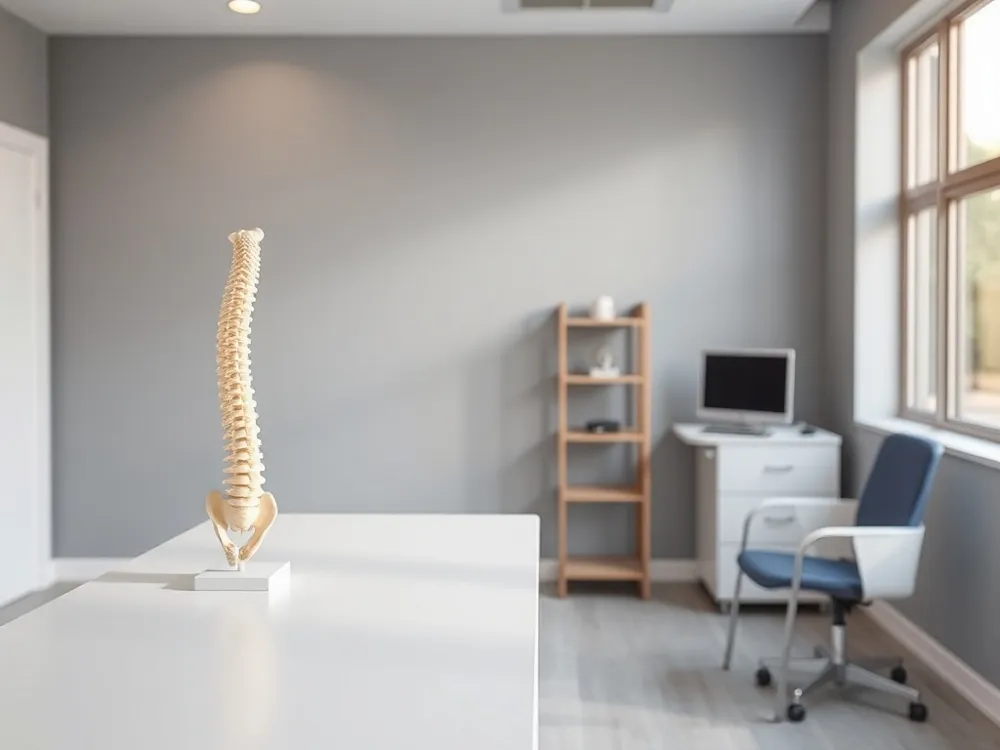
Why is a tailored treatment plan better than generic advice?
Generic advice rarely addresses the root cause of your neck pain. A specialist crafts a plan based on your age, lifestyle, specific condition, and pain severity. This customized approach, which may combine physical therapy, injections, or medication, leads to more effective relief and higher satisfaction than a one-size-fits-all solution.
4. Access to Minimally Invasive Options
How do specialists treat neck pain without surgery?
A neck pain specialist can offer advanced procedures that general practitioners cannot, directly targeting the source of pain. These minimally invasive options include epidural steroid injections to reduce inflammation around nerves, nerve blocks to interrupt pain signals, and radiofrequency ablation, which uses heat to provide long-lasting relief often for months to years. This focused approach addresses the root cause while avoiding the risks and downtime of surgery.
5. Reduce Reliance on Pain Medication
How Can a Specialist Help You Avoid Opioids and Long-Term NSAIDs?
Many people with neck pain end up taking daily over-the-counter pain relievers or stronger prescription opioids that only mask symptoms without fixing the root problem. A neck pain specialist addresses this cycle through interventional techniques such as nerve blocks, epidural steroid injections, and radiofrequency ablation. These options target the source of pain directly, reducing the need for opioids and long-term NSAID use.
What Are the Benefits of Reducing Dependence on Painkillers?
Patients who receive specialist-driven care are significantly less likely to develop a dependence on pain medication. By resolving the underlying cause of pain, they also experience fewer side effects like gastrointestinal issues, kidney strain, and other medication-related risks. This focused approach leads to safer, more sustainable relief without the downsides of long-term drug reliance.
| Benefit | How Specialists Achieve It | Outcome for Patient |
|---|---|---|
| Reduces opioid use | Use targeted injections (e.g., nerve blocks, epidural steroids) | Lower risk of addiction and side effects |
| Limits long-term NSAID need | Treat inflammation at its source via radiofrequency ablation | Fewer gastrointestinal and kidney complications |
| Breaks medication cycle | Personalized conservative care (physical therapy, injections) | Sustainable pain relief without daily pills |
| Prevents escalation to surgery | Early interventional procedures | Avoids unnecessary medication and surgical risks |
6. Prevent Chronic Pain and Disability
How can a specialist prevent chronic pain and disability?
Studies indicate that up to 65% of chronic spinal problems could have been managed more effectively with earlier diagnosis by a specialist. Waiting often leads to reliance on medication that masks symptoms rather than addressing the root cause. Early intervention within the first six weeks of pain increases the chance of full recovery by about 50%.
Untreated neck pain can escalate into permanent nerve damage, disability, and lost work productivity. Specialist care is proactive, using targeted treatments to prevent minor issues from becoming serious, long-term conditions.
| Risk of Delayed Care | Specialist Intervention | Expected Outcome |
|---|---|---|
| Permanent nerve damage (e.g., from untreated sciatica) | Early, accurate diagnosis | 50% higher chance of full recovery |
| Chronic pain and disability | Personalized, non-surgical treatments | Prevents condition escalation |
| Lost work productivity and quality of life | Focused, evidence-based care plan | Restores function and well-being |
7. Expert Use of Advanced Imaging
Specialists know when to order—and how to interpret—MRI, CT, or EMG to pinpoint nerve compression, disc herniation, or structural damage.
A neck-pain specialist uses advanced imaging (MRI, CT scans, and EMG) to accurately diagnose complex spinal issues. This expertise ensures imaging is only used when necessary, avoiding unnecessary scans while providing actionable details for treatment.
This prevents unnecessary imaging while ensuring that when a scan is needed, it provides actionable information for treatment.
By precisely interpreting results, a specialist can differentiate between conditions like herniated discs and spinal stenosis, creating a targeted treatment plan that addresses the root cause of pain.
| Imaging Type | What It Visualizes | How It Guides Treatment |
|---|---|---|
| MRI | Soft tissues (discs, spinal cord, nerves) | Pinpoints herniated discs or nerve compression |
| CT Scan | Cross-sectional bone and joint detail | Identifies bone spurs or spinal fractures |
| EMG | Electrical activity in nerves/ muscles | Confirms nerve damage and pinched nerve severity |
8. Improved Quality of Life by Up to 70%
How can specialist care improve your daily life so significantly?
The American Chiropractic Association reports that effective spinal treatment can improve quality of life by up to 70%. Specialist care helps patients return to work, hobbies, and family activities they had to give up due to chronic neck pain.
9. Coordinated Multidisciplinary Care
How does a coordinated care team benefit my recovery?
A neck pain specialist often works within a multi-specialty team. This team can include physical therapists, physiatrists, neurologists, and surgeons who collaborate on your care. This coordinated approach creates a seamless treatment pathway, helping you avoid the frustration of juggling multiple disconnected providers.
10. Avoid Unnecessary Surgery
Why See a Specialist Before Considering Surgery?
Many neck pain specialists prioritize a conservative-first approach. They reserve surgery only for cases where non-surgical options have been thoroughly exhausted.
How Much Can a Specialist Reduce Your Surgery Risk?
Patients who initially consult a chiropractor or pain specialist are up to 97% less likely to undergo major surgery. This is compared to those who start their care with an orthopedic surgeon.
11. Lower Long-Term Healthcare Costs
Choosing the right first step for neck pain can significantly impact your long-term expenses. Studies show that initial chiropractic or manipulative care is associated with lower overall healthcare costs than standard primary care provider strategies. Starting with a specialist reduces the downstream use of expensive advanced imaging, opioids, and hospitalizations. This focused approach saves you both money and valuable time by preventing unnecessary procedures.
| Strategy | Typical Downstream Utilization | Cost Impact |
|---|---|---|
| Initial Specialist/Chiropractic Care | Lower use of MRI, opioids, surgery | Lower overall cost |
| Primary Care Provider First | Higher referrals for imaging & injections | Higher overall cost |
By addressing the root cause early, a specialist can implement a cost‑effective treatment plan that avoids the financial burden of chronic pain management.
12. Reduce the Risk of Long-Term Care Escalation
Risk of Long-Term Care Escalation
A 2025 study of Medicare beneficiaries with neck pain found that initial treatment with spinal manipulative therapy was associated with a 64% lower rate of long-term care escalation compared to other treatments. This demonstrates how early specialist-driven care directly prevents patients from needing more intensive and expensive interventions later. By addressing the root cause with targeted, non-invasive methods, a neck pain specialist can reduce the progression of spinal issues and help you avoid complex procedures. This value-focused approach prioritizes effective, conservative treatment from the start, offering a clear path to recovery that minimizes future risks and costs.
13. Accurate Differentiation of Spinal Conditions
Why Accurate Differentiation Matters
Cervical radiculopathy, myelopathy, and simple muscle strain all produce pain, but each demands a distinct treatment path. A specialist’s training prevents harmful overtreatment or undertreatment by correctly identifying the specific condition from the start.
| Condition | Primary Symptoms | Typical Specialist Approach |
|---|---|---|
| Muscle Strain | Local pain, stiffness | Conservative care: rest, ice, gentle stretching, physical therapy |
| Cervical Radiculopathy | Radiating pain, numbness, tingling down one arm | Targeted nerve blocks, epidural steroid injections, guided physical therapy |
| Cervical Myelopathy | Arm/hand weakness, clumsiness, loss of bowel/bladder control | Prompt MRI, often requires surgical decompression to prevent permanent damage |
14. Access to Regenerative Medicine
What advanced healing options do specialists offer for neck pain?
Neck pain specialists can provide regenerative medicine therapies like platelet-rich plasma (PRP) and stem cell treatments. These cutting-edge options are not typically available from a primary care physician. By harnessing your body's own healing abilities, these treatments can directly promote tissue repair and reduce inflammation at the source of pain.
15. Expert Management of Traumatic Neck Injuries
A neck pain specialist’s expertise is critical following a traumatic injury. Car accidents, falls, or sports collisions can cause whiplash, ligament sprains, or more serious fractures and nerve damage that require immediate, accurate evaluation. Without specialized assessment, these injuries can lead to chronic pain and long-term disability.
A specialist will begin with a thorough physical exam, checking for tenderness, muscle weakness, and range of motion. Advanced imaging like X-rays, CT scans, or MRIs is often ordered to rule out fractures, spinal cord compression, or herniated discs that a general practitioner might miss.
Treatment for traumatic neck pain typically starts conservatively. A specialist may recommend a soft cervical collar for short-term immobilization to take pressure off the neck, along with prescribed anti-inflammatory medications or muscle relaxants for pain and spasm control. Physical therapy is introduced after the acute phase to restore strength and flexibility.
If pain persists, a neck pain specialist has access to interventional procedures that are highly effective for trauma-related pain. Epidural steroid injections can reduce inflammation around compressed nerves, and radiofrequency ablation can disable pain-signaling nerves from facet joint injuries, providing months or years of relief and helping patients avoid more invasive surgery.
16. Targeted Treatment for Sleep-Related Pain
Sleeping in a bizarre position is a common cause of neck pain.
A specialist can recommend posture adjustments and supportive pillows to prevent recurrence. By addressing the root cause of nighttime strain, they help break the cycle of waking up in pain.
17. Better Outcomes for Work-Related Neck Pain
How can a specialist help with work-related neck pain?
Poor posture from desk work, smartphone use (tech neck), and prolonged sitting are major contributors to work-related neck pain. A specialist provides ergonomic guidance and exercises tailored to the workplace.
What are the benefits for your career?
This focused advice improves productivity and reduces the risk of recurrent pain, helping you perform better at work.
18. Specialized Care for Nerve-Related Pain
Why see a specialist when neck pain involves numbness, tingling, or weakness?
When neck pain is accompanied by numbness, tingling, or weakness in the arms, it may indicate nerve compression. A neurologist or spine specialist is uniquely trained to pinpoint the source of this compression using advanced diagnostics. They can offer precise treatments like nerve blocks or surgical decompression to relieve symptoms and prevent permanent damage.
General practitioners may miss these subtle signs, leading to delayed treatment. Untreated nerve compression can result in lasting nerve damage, underscoring the value of early specialist intervention.
19. Help with Pain That Keeps You Awake
How a Specialist Can Restore Restful Sleep
Neck pain that keeps you awake at night is more than a nuisance; it signals that conservative self-care is insufficient. When pain persists despite home remedies, a specialist can identify the underlying cause—such as a herniated disc or nerve compression—and offer targeted interventions like epidural steroid injections or radiofrequency ablation. These treatments can relieve pain and help you return to restorative sleep.
Breaking the Pain-Sleep Cycle
Poor sleep due to pain doesn't just exhaust you; it can worsen inflammation and lower your pain tolerance, creating a debilitating cycle. A neck pain specialist breaks this loop by addressing the root cause of discomfort, providing relief that improves sleep quality. Restoring restful sleep is a primary goal of specialized care, as it enhances healing, reduces inflammation, and improves overall well-being. Early intervention can prevent the long-term health consequences of chronic pain-related sleep loss.
20. Faster Return to Daily Activities
Studies show that patients who see a specialist early recover faster and return to work and hobbies sooner than those who rely on self-care or primary care alone.
Targeted physical therapy and interventional procedures accelerate healing while minimizing downtime.
Seeing a neck pain specialist early offers a clear advantage for a faster return to daily life. Research indicates that patients who receive specialist care within the first six weeks of pain onset have a 50% higher chance of full recovery compared to those who delay treatment. This early intervention helps prevent minor issues from becoming chronic, allowing patients to resume work, hobbies, and family activities much sooner.
Specialists achieve this by implementing targeted, evidence-based treatments from the start. They design personalized physical therapy programs that strengthen supporting muscles and correct posture, addressing the root cause of pain rather than just symptoms. For more persistent pain, interventional procedures like epidural steroid injections or radiofrequency ablation can provide rapid relief, reducing downtime and allowing patients to get back to their normal routines without the prolonged trial-and-error of general care.
21. Reduced Risk of Permanent Nerve Damage
What is the risk of ignoring severe neck pain?
Conditions like sciatica or severe nerve compression can, if left untreated, progress to irreversible weakness and loss of function. A neck pain specialist provides prompt diagnosis and targeted treatment, which is essential to prevent this progression.
How does early specialist care protect the nerves?
Early intervention for a herniated disc or spinal stenosis directly protects the spinal cord and nerve roots. By addressing these issues before they worsen, a specialist significantly reduces the chance of permanent damage, allowing you to maintain mobility and strength.
22. Education and Empowerment Through Research-Based Care
Patients often find that research evidence is not a central factor in their decision-making for neck pain. A neck pain specialist fills this critical gap by translating complex studies into clear, evidence-based treatment for neck pain. This education helps patients understand their condition, reducing uncertainty and fostering trust. When patients are informed about their neck pain diagnosis and tailored treatments for neck pain, they become more engaged in their care, which leads to improved outcomes for neck pain patients and long-term spinal health.
23. Ongoing Monitoring and Outcome Tracking
How does a specialist track neck pain outcomes to adjust your care plan?
Patients often express a strong desire for regular, objective feedback on their progress. A neck pain specialist addresses this by implementing structured, scheduled evaluations to measure symptom changes, mobility, and function.
This continuous monitoring allows the specialist to adjust your treatment plan in real-time, preventing the stagnation that often occurs with generic, one-size-fits-all protocols. Early identification of a plateau lets the team introduce a new exercise, modify injection timing, or escalate therapy, ensuring your recovery stays on track with focused expertise.
24. Ability to Address Complex Cases (Facet Joint, Disc, and Arthritis)
How Do Specialists Untangle Complex Neck Pain Sources?
The facet joints in the cervical spine are a primary source of neck pain, yet generalists often lack the tools to precisely diagnose and treat them. A neck pain specialist can perform diagnostic blocks to pinpoint the exact painful joint, followed by targeted injections that over-the-counter treatments cannot address.
For arthritis-related facet pain, specialists use cervical facet block injections or radiofrequency neurotomy to deliver lasting relief. These procedures are highly effective for complex disc or degenerative arthritis cases that fail to improve with rest or medication. This focused expertise translates to an accurate diagnosis for stubborn neck pain causes.
| Condition | Specialist Intervention | Generalist Limitation |
|---|---|---|
| Cervical Facet Arthritis | Diagnostic block & radiofrequency neurotomy | Lacks access to precise injection techniques |
| Chronic Disc Pain | Targeted epidural steroid injection | Relies on oral pain medication only |
| Complex Cases | Multimodal plan (PT + injections + ablation) | One-size-fits-all therapy |
25. Help with Pregnancy-Related Neck Pain
Neck and back pain commonly begin around the third month of pregnancy. A specialist can recommend safe exercises, posture adjustments, and therapies that are safe for both mother and baby. This focused care ensures comfort without untested or harmful interventions.
26. Peace of Mind Through Accurate, Expert Communication
Patients highly value feeling listened to, seen, and believed. A neck pain specialist dedicates time to clear, personalized communication about diagnoses and treatment plans. This focused dialogue reduces uncertainty and builds essential trust. When patients feel understood, they are more likely to follow treatment recommendations, leading to better health outcomes and a smoother recovery journey.
| Patient Need | Specialist Action | Outcome |
|---|---|---|
| Feel heard and believed | Invest time in clear communication | Reduced anxiety and uncertainty |
| Understand a complex diagnosis | Offer personalized explanations | Greater adherence to treatment plan |
| Build trust in the provider | Focus on patient concerns | Improved recovery and health results |
Quick Relief for Neck Pain: At-Home First Steps
How Can I Quickly Relieve neck pain?
For immediate relief, apply an ice pack for up to 15 minutes to reduce inflammation during the first 48 hours. After that, switch to a heating pad to relax stiff neck muscles. Over-the-counter NSAIDs, like ibuprofen, can help ease pain and swelling.
Gentle stretches done slowly throughout the day can loosen muscles. Try chin tucks, side tilts, and shoulder rolls. Stop immediately if pain increases. If your neck pain does not improve within a few weeks, see a specialist for a personalized treatment plan. Dr. David S. Raskas offers a patient-first approach, focusing on conservative care before considering minimally invasive options.
Home Remedies for Neck and Shoulder Pain
What are common home remedies for neck and shoulder pain?
For the first few days after an injury, apply an ice pack for 15 minutes at a time to reduce inflammation. After that, switch to a heating pad or warm shower to relax tight muscles and promote blood flow.
Gentle stretching exercises, such as head tilts, neck rotations, and shoulder blade squeezes, help loosen stiff muscles. Improving posture by holding your phone at eye level and keeping your head aligned with your spine is crucial for preventing further strain.
Over-the-counter medications like ibuprofen or acetaminophen can relieve discomfort. Take brief breaks from sitting, manage stress, and stay hydrated to support muscle relaxation. If pain persists, seek professional evaluation.
Understanding the Top Causes of Neck Pain
Neck pain often stems from common, everyday factors. Knowing what triggers your discomfort is essential for finding the right path to relief, and a specialist is best equipped to pinpoint the exact source.
What are the top causes of neck pain?
- Muscle strains from overuse – Hours spent hunched over a computer or phone can tighten and fatigue neck muscles.
- Worn joints from aging – Degeneration can produce bone spurs that restrict motion and cause pain.
- Nerve compression – A herniated disk or bone spur can press on nerves, sending pain into the arms or shoulders.
- Injuries like whiplash – Car accidents or falls stretch and damage neck ligaments and muscles.
- Diseases – Conditions such as rheumatoid arthritis (or, rarely, an infection like meningitis) can also be at fault.
| Common Cause | Typical Trigger | How a Specialist Can Help |
|---|---|---|
| Muscle strain | Prolonged screen use or awkward posture | Prescribes targeted exercises and ergonomic adjustments |
| Joint wear and tear | Natural aging process | Diagnoses arthritis and offers conservative management |
| Nerve compression | Herniated disk or bone spur | Performs advanced imaging and recommends interventional therapies |
| Injury (e.g., whiplash) | Auto accident or fall | Provides immediate diagnosis and a tailored rehabilitation plan |
| Underlying disease | Rheumatoid arthritis or infection | Coordinates with rheumatologists or other specialists for comprehensive care |
Signs That Your Neck Pain Needs Urgent Attention
Seek immediate care if neck pain follows a fall or car accident, is accompanied by fever (possible meningitis), or includes weakness in an arm or leg that affects walking.
Warning signs of serious neck pain include pain following a traumatic injury, such as a car accident or fall. A fever alongside neck pain can indicate meningitis. Weakness in an arm or leg that makes walking difficult also requires urgent evaluation.
Radiating pain, numbness/tingling in arms or fingers, clumsiness, or loss of coordination may signal spinal cord compression.
Pain that radiates down into your arms or fingers, along with numbness or a “pins and needles” sensation, often signals nerve compression or a herniated disc. Sudden clumsiness, loss of coordination, or hand weakness may point to spinal cord compression. Severe headaches or dizziness could indicate a vertebral artery dissection. If your pain persists or worsens after several weeks of self-care, it is time to consult a specialist.
Which Doctor Should You See for Neck Pain?
Which Doctor Should You See for Neck Pain?
When neck pain persists, the specialist you choose matters. Both neurosurgeons and orthopedic surgeons are trained to treat the cervical spine, but their focus differs.
Neurosurgeons excel at diagnosing nerve-related issues, such as pinched nerves or spinal cord compression. Orthopedic surgeons specialize in bones, discs, and joints, addressing structural problems like arthritis or herniated discs.
An orthopedic spine specialist like Dr. David S. Raskas provides comprehensive, patient-first care. He starts with conservative treatments and moves to minimally invasive surgery only when necessary, ensuring a focused and effective approach to your recovery. | Specialist Type | Primary Focus | Best For | | --- | --- | --- | | Neurosurgeon | Nervous system (nerves, spinal cord) | Nerve compression, radiculopathy, myelopathy | | Orthopedic Surgeon | Musculoskeletal system (bones, discs, joints) | Herniated discs, arthritis, spinal stenosis | | Orthopedic Spine Specialist (e.g., Dr. Raskas) | Comprehensive cervical spine care | Conditions requiring conservative-to-surgical treatment, patient-first care |
When Does Neck Pain Typically Start?
When does neck pain typically begin?
Neck pain most often begins between ages 40 and 60, though spinal changes can cause discomfort as early as age 30. Cervical spondylosis—age-related wear on the neck’s discs and joints—appears in most people by age 60 on X-rays. Past injuries, heavy lifting, and poor posture can accelerate these changes. Severe or persistent symptoms may require medical attention, but early specialist intervention helps manage pain and maintain quality of life.
| Age Group | Typical Onset | Key Factor |
|---|---|---|
| 30+ | Possible early discomfort | Initial spinal changes |
| 40–60 | Most common onset | Wear and tear accelerates |
| 60+ | Cervical spondylosis visible on X-rays | Age-related degeneration |
Anti-Inflammatory Foods That Help Neck Pain
What Foods Can Help Reduce neck pain?
Anti-inflammatory foods can help manage neck pain by reducing inflammation in the spine and surrounding tissues.
Include leafy greens like spinach, kale, and arugula; nuts such as walnuts and almonds; fatty fish rich in omega-3s like salmon, tuna, and sardines; and fruits like watermelon, cherries, blueberries, and pomegranate.
Foods with calcium and vitamin D also support bone health and reduce inflammation.
Avoid sugary drinks, alcohol, processed meats, and red meat, as these can increase inflammation. A well-balanced diet focused on these choices can complement conservative treatments for cervical pain.
Best OTC Medicine for Neck Nerve Pain
What Over-the-Counter Medicine is Best for Neck Nerve Pain? For neck pain that may involve nerve irritation, the best over-the-counter (OTC) choices are NSAIDs like ibuprofen (Advil, Motrin) or naproxen (Aleve). These medications reduce inflammation that can press on or irritate nerves, providing both pain relief and targeted anti-inflammatory action. Acetaminophen (Tylenol) can also relieve pain, but it does not reduce inflammation. While OTC options help manage symptoms, they don't treat the underlying nerve issue directly. Prescription drugs like gabapentin are designed for nerve-specific pain, but they require a doctor's evaluation. Always consult a specialist before starting any new medication, especially if pain persists. OTC medicine | What it does | Consideration | |---|---| | NSAIDs (ibuprofen, naproxen) | Reduce inflammation and pain | Best for nerve irritation from inflammation | | Acetaminophen | Relieves pain only | Does not address inflammation
What Is the Best Painkiller for Neck Pain?
What Is the Best Painkiller for neck pain?
For mild to moderate neck pain, over-the-counter (OTC) nonsteroidal anti-inflammatory drugs (NSAIDs) like ibuprofen or naproxen are often effective first-line options. Acetaminophen can also help with discomfort but does not address inflammation. These medications work best when used as directed for short-term relief.
If OTC pain relievers are insufficient, a healthcare provider may prescribe stronger NSAIDs, muscle relaxants to ease muscle spasms, or brief courses of corticosteroids for severe inflammation or nerve-related pain. However, medication alone is rarely a complete solution.
It is essential to pair painkillers with other conservative treatments such as physical therapy and posture correction. A spine specialist can evaluate your condition and tailor a plan that addresses the root cause, not just the symptoms.