Why Minimally Invasive Spine Surgery Matters
At the Orthopedic Spine Institute our patient‑first philosophy means we begin with conservative care and only recommend surgery when it truly adds value. When surgery is needed, minimally invasive spine surgery (MISS) offers a clear contrast to traditional open procedures. Instead of a 5‑10 cm incision and extensive muscle retraction, MISS uses 1‑2 cm portals, tubular retractors or endoscopes, and real‑time imaging. This translates into markedly less blood loss, lower infection risk, smaller scars and significantly reduced postoperative pain. Hospital stays shrink from several days to 1‑2 days, and most patients resume light activities within weeks rather than months. These tangible benefits—quicker recovery, fewer opioids, and a smoother return to daily life—drive growing patient interest in MISS.
Understanding Who Qualifies for MISS
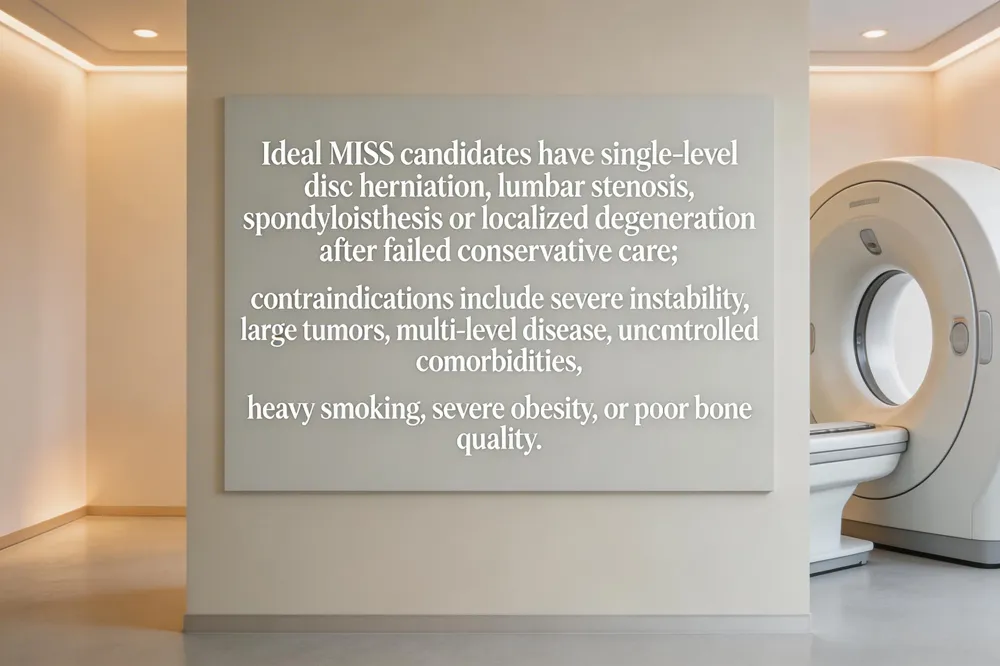 Minimally invasive spine surgery (MISS) is best suited for patients whose spinal pathology can be accessed through a small surgical corridor and who have not found relief with conservative care. Typical candidates include individuals with single‑level disc herniation, lumbar spinal stenosis, spondylolisthesis, or localized degenerative disease who have completed a trial of physical therapy, pain‑medication, and injections without satisfactory improvement. A thorough pre‑operative work‑up—MRI or CT imaging, smoking cessation, medication review, and optimization of chronic conditions—helps confirm that the disease is amenable to a tubular or endoscopic approach.
Who is not a candidate? Patients whose pain can be effectively managed non‑operatively are usually not considered for surgery. Those with severe spinal instability, large tumors, extensive deformities such as severe scoliosis, or multi‑level disease often require open techniques. Significant medical comorbidities—including uncontrolled diabetes, active infection, advanced cardiovascular disease, severe osteoporosis, or poor bone quality—raise the risk of complications and often preclude MISS. Advanced age, severe obesity, and heavy smoking also limit eligibility because they increase infection, blood‑loss, and delayed healing.
Because eligibility hinges on nuanced an and individual health status, a specialist evaluation by an experienced spine surgeon is essential. The surgeon reviews imaging, assesses comorbidities, and determines whether the minimally invasive route will safely achieve the desired therapeutic goals.
Recovery Timelines: From Incision Healing to Full Return
 After minimally invasive spinal surgery, recovery follows a predictable pattern that balances tissue healing with early mobilization.
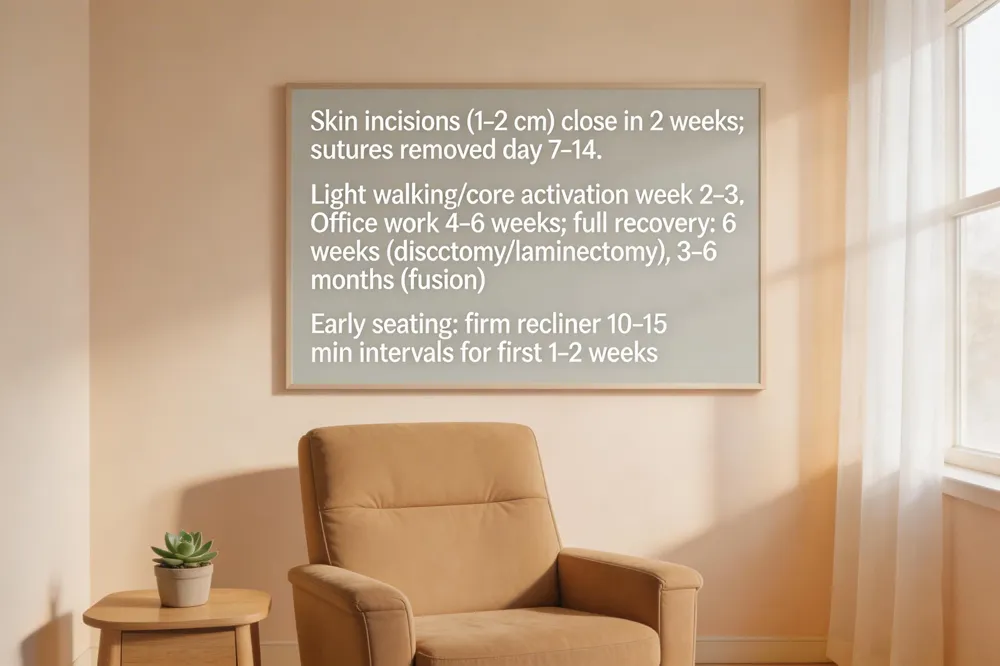
General postoperative recovery phases – The first few days focus on inflammation control and gentle ambulation; by week 2‑3 patients typically begin light walking and basic core activation under the guidance of a physical therapist. Full functional recovery for a microdiscectomy or lumbar laminectomy is usually reached by six weeks, while minimally invasive spinal fusion may require three to six months before the fused segment can tolerate normal activities. Office work often resumes within four to six weeks, whereas manual‑labor roles may need a longer interval.
Incision healing timeline – Skin incisions that are 1‑2 cm in length generally close securely within two weeks. Sutures or staples are removed between day 7 and day 14, after which normal bathing, light swimming, and daily activities are usually permissible. Patients should keep the wound clean, avoid soaking the area until cleared, and monitor for signs of infection.
Activity restrictions and safe seating options – For the first one to two weeks after a spinal fusion, a firm recliner with good lumbar support is a safe sitting choice. The chair should keep the spine neutral, allow easy log‑roll transitions, and be used only for short intervals (10‑15 minutes) with frequent standing or walking. Twisting, bending, or lifting heavy objects must be avoided until the surgeon gives clearance. If pain, numbness, or other concerning symptoms develop, the recliner should be discontinued and the surgical team consulted promptly.
Success Rates and Patient Satisfaction
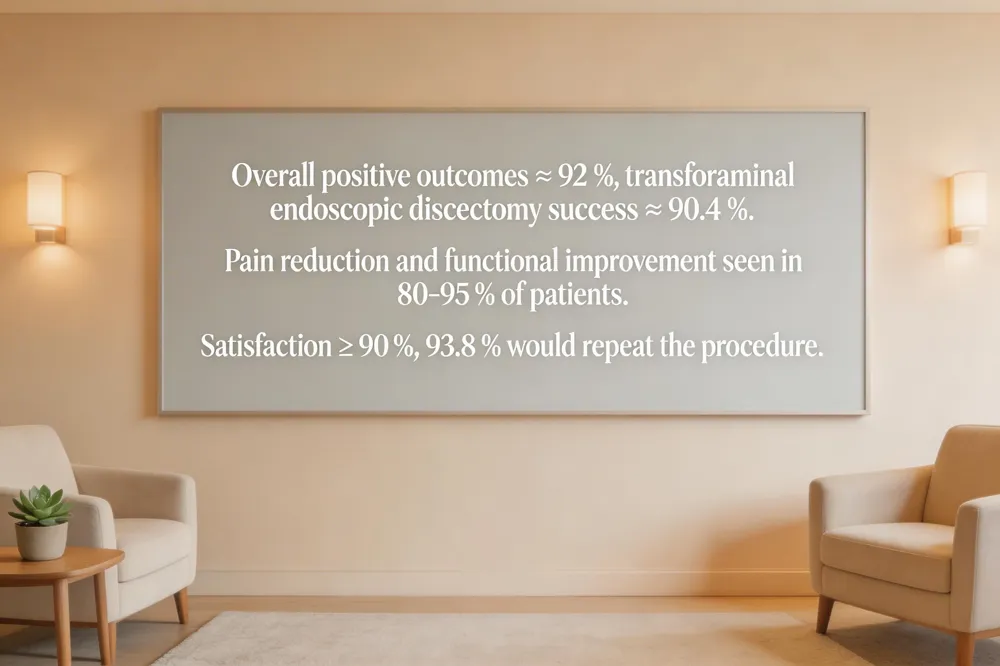 Minimally invasive spine surgery (MISS) consistently delivers high success rates across a broad spectrum of spinal pathologies. Large multi‑center studies report that roughly 92 % of patients experience a positive outcome, and specific procedures such as transforaminal lumbar endoscopic discectomy achieve a 90.4 % success rate for pain relief. Systematic reviews indicate that 80‑95 % of individuals achieve significant pain reduction and functional improvement, as reflected by marked drops in Visual Analogue Scale scores and Oswestry Disability Index percentages. Patient‑reported satisfaction mirrors these clinical gains: surveys show that 93.8 % of patients would elect to undergo the same minimally invasive procedure again, and overall satisfaction scores frequently exceed 90 %. These data demonstrate that, when performed by experienced surgeons on properly selected candidates, MISS provides reliable pain relief, functional restoration, and a high level of patient confidence in the surgical outcome.
Advanced Techniques: Disc Replacement and New Alternatives
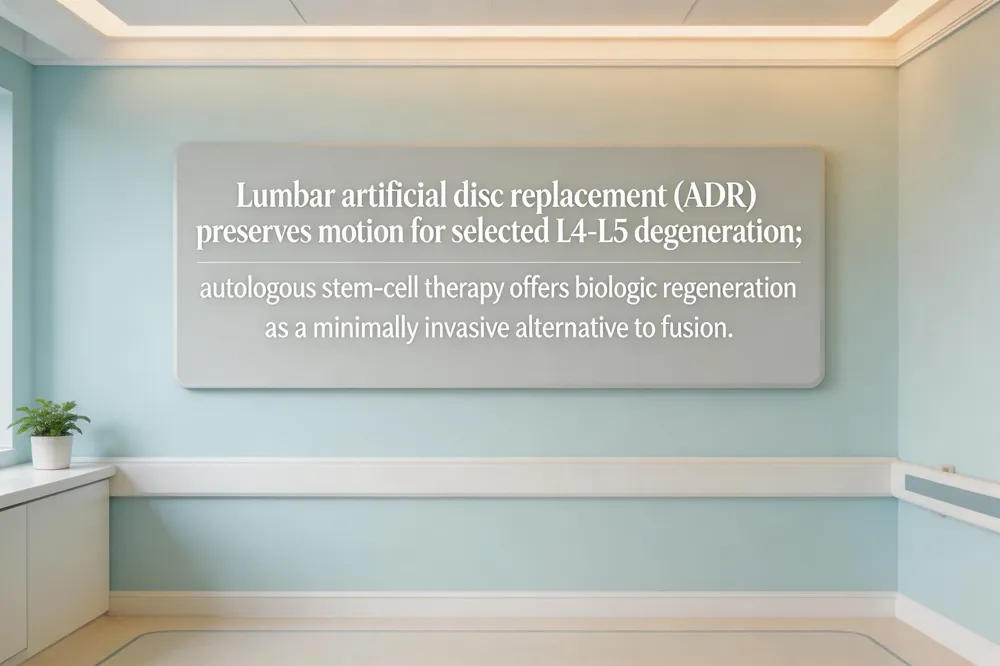 Minimally invasive spine surgery now offers lumbar artificial disc replacement (ADR) (ADR) as a motion‑preserving alternative to fusion. In ADR, the damaged L4‑L5 disc is removed and a prosthetic device restores height and flexibility, relieving pain while maintaining segmental motion. Ideal candidates have chronic lower‑back pain from disc degeneration, herniation, or collapse and have exhausted conservative care. Outcomes show significant pain reduction and functional improvement comparable to fusion, with lower rates of adjacent‑segment disease.
A newer option is autologous stem‑cell therapy. Patients’ own bone‑marrow or adipose‑derived stem cells are injected into the degenerated disc or facet joints, aiming to regenerate cartilage, reduce inflammation, and preserve spinal stability without implants. This minimally invasive, outpatient procedure often allows a return to daily activities within days and has demonstrated pain relief and functional gains similar to fusion in early studies.
Can an L4‑L5 disc be replaced? Yes—lumbar ADR can replace the L4‑L5 disc, offering pain relief and motion preservation for selected patients.
What is the new treatment instead of spinal fusion? Autologous stem‑cell therapy, which uses the patient’s own stem cells to heal degenerated discs, is emerging as a less invasive, tissue‑preserving alternative to fusion.
Potential Downsides and Risks of MISS
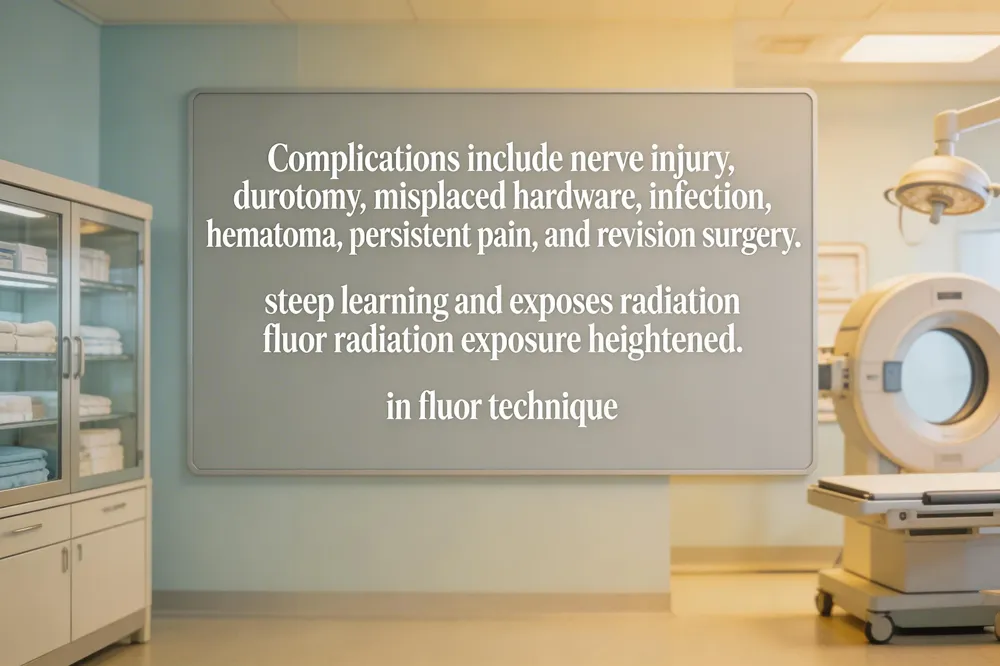 Intra‑operative complications can include nerve injury, durotomies, and misplaced hardware, driven by the narrow visual corridor and dependence on fluoroscopic or endoscopic imaging. Post‑operative issues may involve infection, hematoma, persistent pain, or recurrent disc herniation, sometimes necessitating revision surgery. The technique also demands a steep learning curve; surgeons must master tubular retractors, endoscopic navigation, and precise imaging, which can increase operative time and the likelihood of error during the early experience phase. Radiation exposure is another concern, as both patient and surgical team receive higher doses from repeated fluoroscopic or CT navigation needed to verify instrument placement.
What is the downside of minimally invasive spine surgery? Minimally invasive spine surgery (MISS) still carries a notable risk of intra‑operative complications such as nerve injuries, dural tears (durotomies) and misplaced hardware, which can lead to postoperative pain or neurologic deficits. Even with smaller incisions, the limited visual field and reliance on fluoroscopic or endoscopic imaging can increase the chance of missed anatomy, causing cerebrospinal‑fluid leaks or incomplete decompression. Post‑operative issues such as infection, hematoma formation, and recurrent disc herniation are also reported, sometimes requiring revision surgery. The technique demands a steep learning curve and often involves higher radiation exposure for both the surgical team and patient. Consequently, while MISS reduces tissue disruption and hospital stay, these potential complications must be weighed against its benefits when selecting candidates.
Benefits That Set MISS Apart
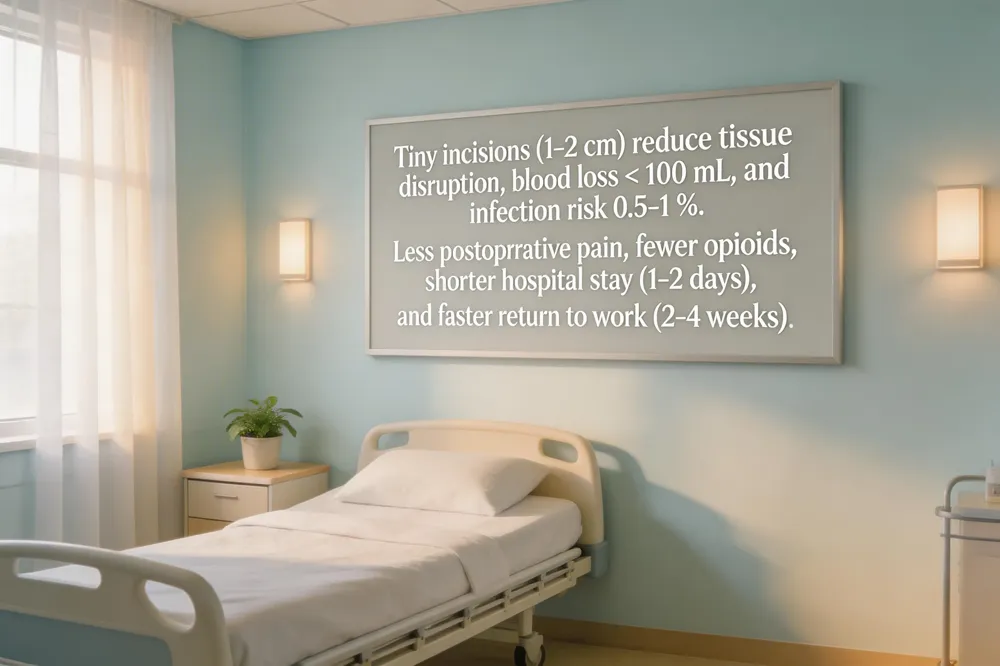 Minimally invasive spine surgery (MISS) uses tiny incisions—often 1–2 cm—and specialized tubular retractors or endoscopes, which dramatically reduces tissue disruption compared with traditional open techniques that require large muscle retraction. By preserving surrounding musculature, intra‑operative blood loss typically drops to less than 100 mL, and the risk of surgical‑site infection falls to around 0.5‑1 %, far lower than the 2‑5 % seen with open surgery. Patients experience markedly less postoperative pain, need fewer opioid medications, and often leave the hospital after a day or two. This less traumatic approach translates into a faster return to daily activities: light work and gentle exercise can begin within 2–4 weeks, and many patients resume normal routines within a few weeks rather than months. The combination of reduced muscle injury, minimal scarring, and accelerated rehabilitation makes MISS a compelling, patient‑friendly alternative for treating disc herniation, stenosis, spondylolisthesis, and other spinal conditions.
The Future of Spine Care at Orthopedic Spine Institute
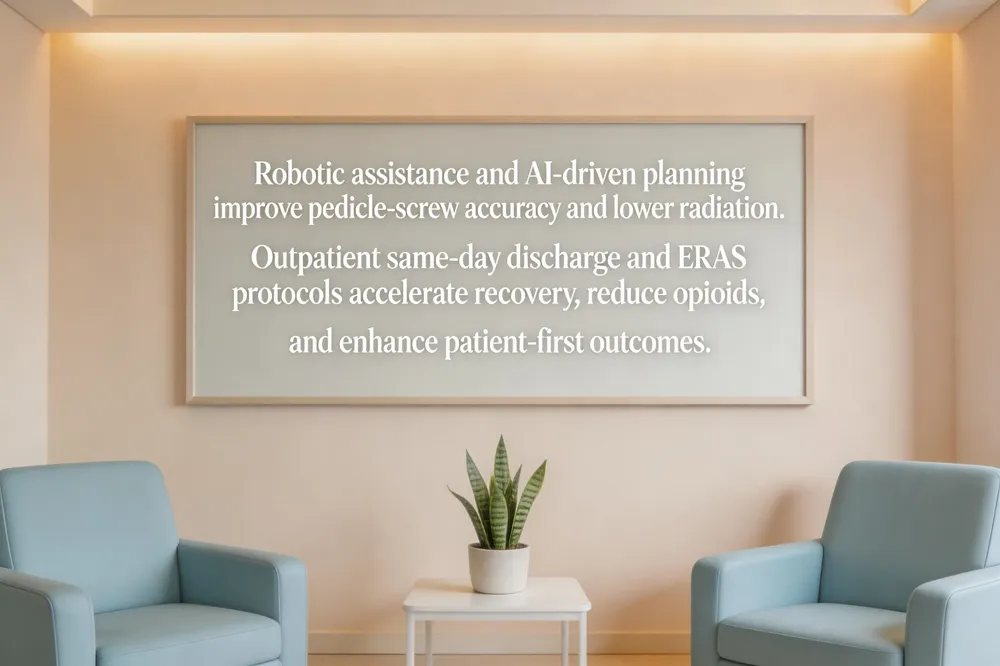 At the Orthopedic Spine Institute of St. Louis, a patient‑first care model drives every decision, beginning with conservative therapies and moving to minimally invasive surgery only when needed. Cutting‑edge robotic assistance and AI‑driven surgical planning now guide pedicle‑screw placement and instrument trajectories, enhancing precision while reducing radiation exposure. These technologies dovetail with the rapid growth of outpatient spine procedures, where same‑day discharge is common. Integrated Enhanced Recovery After Surgery (ERAS) protocols—multimodal analgesia, early mobilization, and targeted physical therapy—further shorten hospital stays, lower opioid use, and accelerate return to daily activities.
Putting It All Together: Choosing the Right Path
Choosing the right spine‑care pathway begins with understanding the core advantages of minimally invasive spine surgery (MISS). Small 1‑2 cm incisions, tubular retractors and advanced imaging preserve muscle, cut blood loss, lower infection risk, and speed return to daily activities—benefits repeatedly documented across multiple studies. Yet every patient’s anatomy, health status and specific diagnosis dictate whether a decompression, discectomy, fusion or another technique is optimal. At the Orthopedic Spine Institute of St. Louis, Dr. David S. Raskas conducts a thorough, patient‑first evaluation, reviewing imaging, prior conservative treatments and personal goals before recommending the most appropriate approach. Take the next step toward relief: call (314) 995‑3990 or visit the Institute’s website to schedule a consultation and discuss a tailored, minimally invasive treatment plan for lasting spinal health.