Introduction
Sustainable mobility is becoming a cornerstone of modern urban planning because it directly influences public health, environmental quality, and economic resilience. By reducing reliance on fossil‑fuel‑powered vehicles, cities can lower greenhouse‑gas emissions, improve air quality, and mitigate the health impacts of pollution—benefits that extend to every resident, from commuters to vulnerable populations such as children and the elderly. In addition, efficient, multimodal transportation networks enhance access to jobs, education, and essential services, fostering greater social equity and economic opportunity.
Despite its promise, the transition to sustainable mobility faces several entrenched challenges. Legacy infrastructure designed for cars often limits space for cyclists, pedestrians, and public‑transit corridors, while fragmented governance and funding models hinder coordinated investments. Behavioral inertia—people’s preference for personal vehicles—further slows adoption, especially in regions where public‑transport options are perceived as unreliable or unsafe. Technological barriers, such as the high upfront cost of electric‑vehicle charging stations and the need for interoperable data platforms, also complicate scaling solutions.
This article follows a clear narrative structure to help readers understand and address these issues. First, we explore the environmental and health imperatives that make sustainable mobility essential. Next, we examine the specific obstacles cities encounter, from physical infrastructure gaps to policy misalignments. Finally, we outline practical strategies and emerging innovations—such as micro‑mobility, integrated ticketing, and green‑infrastructure design—that can accelerate the shift toward a cleaner, more inclusive urban transport future.
Electrification of Public Transit
Early Recognition and Emergency Care
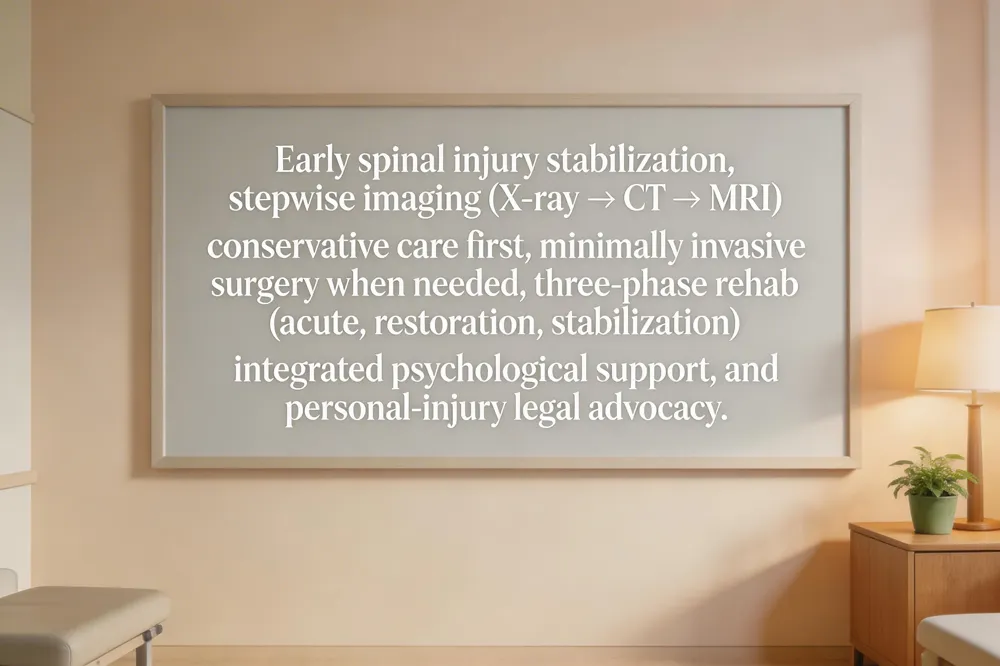
Car crashes are one of the leading causes of spinal cord injuries (SCI) in the United States. Within minutes of an impact, the priority is to stabilize the spine and prevent secondary damage. Emergency responders immobilize the neck and back with a rigid collar or board, administer high‑dose pain control, and avoid complications such as deep‑vein thrombosis or respiratory distress. A thorough physical exam—checking sensation, motor strength, and reflexes—is followed by imaging studies (X‑ray, CT, MRI) to pinpoint fractures, disc herniations, or cord compression.
Diagnosis: Imaging and Neurological Assessment
Accurate diagnosis hinges on a stepwise imaging approach. X‑rays reveal bone alignment and obvious fractures; CT scans provide detailed cross‑sectional views of vertebral integrity; MRI is the gold standard for soft‑tissue evaluation, detecting disc herniations, ligamentous tears, cord edema, and blood clots. Neurological grading (ASIA scale) determines whether the injury is incomplete (some nerve signals remain) or complete (total loss below the injury site), a distinction that predicts recovery potential.
Initial Treatment Options
Conservative management is the first line for most stable injuries. It includes:
- Immobilization with braces or soft collars to protect the injured segment while swelling subsides.
- Medication such as NSAIDs for inflammation, antispasmodics for muscle spasticity, and analgesics for pain control. High‑dose methylprednisolone is no longer routinely recommended due to infection risk.
- Physical and occupational therapy to preserve muscle tone, prevent contractures, and teach adaptive techniques. When instability, persistent nerve compression, or neurological decline is identified, minimally invasive surgery (micro‑discectomy, percutaneous pedicle screw fixation, endoscopic decompression, vertebroplasty) is considered. These techniques reduce tissue trauma, shorten hospital stays, and accelerate return to function compared with traditional open surgery.
Rehabilitation: From Acute Phase to Full Recovery
A multidisciplinary rehab team—physiatrist, physical therapist, occupational therapist, psychologist, and social worker—begins therapy early, often within days of injury. The rehabilitation timeline typically follows three phases:
- Acute (1‑3 weeks): Pain control, gentle mobilization, and education on spine protection.
- Restoration (3‑8 weeks): Strengthening of core and back muscles, flexibility training, and gait re‑education. Targeted exercises such as pelvic tilts, cat‑cow stretches, bridges, and the bird‑dog are performed 10‑15 repetitions per set, holding stretches for 20‑30 seconds. These movements improve blood flow, reduce inflammation, and enhance spinal stability.
- Stabilization (8+ weeks): Endurance training, functional activities, and adaptive device integration (lightweight wheelchairs, electrical stimulation devices). Home‑exercise programs and patient‑education on ergonomics, posture, and activity modification help prevent re‑injury.
Emotional and Psychological Support
SCI patients often experience anxiety, depression, and post‑traumatic stress. Integrated care that includes counseling, mindfulness techniques, and support groups is essential for holistic recovery and can improve pain perception and functional outcomes.
Legal and Financial Considerations
In states like New York and New Jersey, the no‑fault insurance system covers initial medical expenses and a portion of lost wages, but serious spinal injuries frequently require a personal injury claim to capture the full scope of damages—medical costs, rehabilitation, lost earnings, diminished earning capacity, and pain and suffering. Skilled attorneys document injuries, coordinate with medical experts, and negotiate with insurers to secure appropriate compensation. Firms such as Rubenstein & Rynecki in Brooklyn offer free consultations and guide victims through both treatment and the compensation process.
Why Choose a Specialized Spine Practice?
Practices that combine expert orthopedic spine surgeons (e.g., Dr. David S. Raskas, MD) with comprehensive rehabilitation services provide a seamless continuum of care—from emergency evaluation to post‑operative therapy. Their patient‑first, step‑wise approach ensures that conservative measures are exhausted before surgery, and when surgery is needed, minimally invasive options minimize downtime. Insurance teams assist with claim preparation, pre‑authorization, and documentation, allowing patients to focus on healing.
Bottom Line
Recovering from a spinal cord injury after a car accident is a complex, multidisciplinary journey. Prompt diagnosis, appropriate stabilization, evidence‑based surgical or conservative treatment, structured physical therapy, psychological support, and competent legal representation together maximize functional recovery and protect the patient’s financial future. If you or a loved one has sustained a spine injury in a crash, contact a qualified spine specialist and a trusted personal injury attorney today to begin a personalized, comprehensive recovery plan.
Active Transportation Infrastructure
 A spinal cord injury (SCI) sustained in a motor‑vehicle collision is a life‑changing event that demands a coordinated, patient‑first approach. Early recognition, accurate diagnosis, and timely intervention are the cornerstones of a successful recovery, while comprehensive legal and financial planning protect the victim’s future.
1. Immediate Evaluation and Stabilization Within minutes of a crash, emergency responders follow ATLS protocols: airway protection, breathing support, and immobilization of the spine with a rigid collar or board. A thorough neurologic exam checks for numbness, tingling, muscle weakness, or loss of bladder/bowel control. Imaging—X‑ray for bone alignment, CT for detailed fracture mapping, and MRI for soft‑tissue and cord assessment—identifies the injury’s extent. Prompt stabilization (bracing, traction, or surgical fixation) prevents secondary damage and sets the stage for recovery.
2. Determining Injury Severity SCI outcomes hinge on whether the injury is incomplete (some nerve signals remain) or complete (total loss of function below the lesion). Incomplete injuries generally have a better prognosis, with most neurological improvement occurring in the first six months and incremental gains possible up to two years. Physicians use the American Spinal Injury Association (ASIA) scale to grade severity and guide treatment planning.
3. Conservative Management For stable fractures, mild disc herniations, or soft‑tissue sprains, the first line of care is non‑operative:
- Medications: NSAIDs and, when appropriate, short‑term corticosteroids reduce inflammation and pain. Antispasmodics address muscle spasticity, while agents assist bladder, bowel, and sexual function.
- Immobilization: Cervical or lumbar braces protect weakened segments while tissues heal.
- Physical Therapy: Early PT (ideally within days) focuses on pain control, gentle mobilization, and preservation of range of motion. Core‑strengthening and back‑strengthening exercises—such as pelvic tilts, cat‑cow stretch, bridge, child’s pose, and bird‑dog] improve posture, increase spinal support, and accelerate functional recovery. Each exercise is typically performed for 10‑15 repetitions or held 20‑30 seconds, tailored to the patient’s injury level.
- Occupational Therapy & Adaptive Devices: OT teaches daily‑living skills, while adaptive equipment (lightweight wheelchairs, functional electrical stimulation, computer accessibility tools) maximizes independence.
4. Surgical Intervention When Needed If imaging reveals compression of the cord, unstable fractures, or disc herniations that threaten neurologic function, surgeons consider minimally invasive techniques. Options include:
- Micro‑discectomy or Endoscopic Decompression to relieve nerve pressure.
- Percutaneous Pedicle Screw Fixation for spinal stabilization.
- Vertebroplasty/Kyphoplasty for compression fractures.
- Robotic‑Assisted Fusion for precise hardware placement. These procedures reduce tissue trauma, shorten hospital stays, and enable a faster return to therapy compared with traditional open surgery.
5. Multidisciplinary Rehabilitation A coordinated team—physiatrist, physical therapist, occupational therapist, psychologist, social worker, and pain specialist—guides the patient through three rehab phases:
- Acute Phase (1‑3 weeks): Pain management, gentle mobilization, and education on spinal precautions.
- Restoration Phase (3‑8 weeks): Strengthening, flexibility, and gait training to rebuild muscle mass and endurance.
- Stabilization Phase (8+ weeks): Endurance conditioning, advanced functional tasks, and community reintegration. Psychological support addresses anxiety, depression, and post‑traumatic stress, which can amplify pain perception and hinder progress.
6. Legal and Financial Considerations In states such as New York and New Jersey, no‑fault insurance covers initial medical expenses and a portion of lost wages. However, severe SCIs often require a personal injury claim to recover:
- Full medical and rehabilitation costs (including future life‑care planning).
- Lost income and diminished earning capacity.
- Pain and suffering, and loss of enjoyment of life. Experienced attorneys document injuries, coordinate with medical experts, and negotiate with insurers to ensure fair compensation. Early legal consultation—ideally within 14 days of the accident—preserves evidence and strengthens the claim.
7. Long‑Term Outlook Recovery is a marathon, not a sprint. While many patients regain functional independence, some may require lifelong adaptive equipment and ongoing pain management. Regular follow‑up imaging, periodic reassessment of neurological status, and adjustments to therapy keep the recovery trajectory on track. Emerging therapies—including stem‑cell research, hypothermia protocols, and spinal cord stimulation—offer hope for future functional gains.
Bottom Line A spinal cord injury from a car accident demands swift medical action, a personalized rehabilitation plan, and vigilant legal advocacy. By integrating state‑of‑the‑art diagnostics, minimally invasive surgery when indicated, targeted therapeutic exercises, and comprehensive compensation strategies, patients can maximize functional recovery, protect their financial future, and reclaim quality of life.
Mobility‑as‑a‑Service (MaaS) Platforms
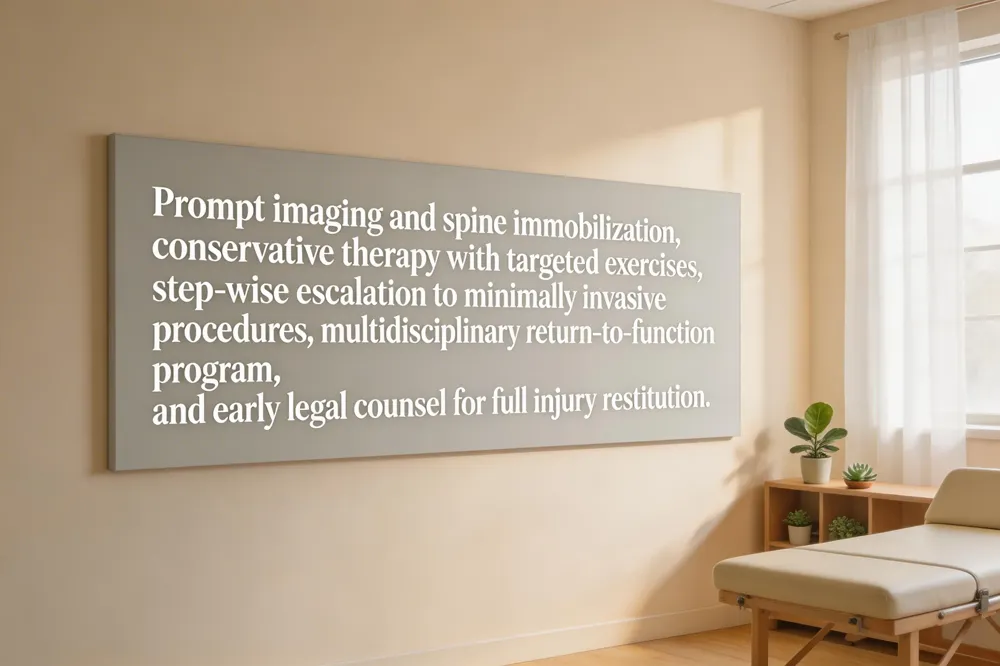 A spinal injury sustained in a motor‑vehicle collision can range from a soft‑tissue sprain to a life‑changing spinal cord injury. The first step after a crash is a thorough evaluation—neurologic exam, X‑ray, CT and MRI—to identify fractures, disc herniations, ligament tears or cord compression (American Spinal Injury Association). Early stabilisation of the spine with a rigid collar, traction, or bracing prevents further damage and sets the stage for successful treatment.
Emergency and Acute Care Emergency teams follow ATLS protocols, maintaining airway and breathing while immobilising the spine. Imaging determines whether surgery is needed; if bone fragments, herniated disc material or a compressing clot are present, minimally invasive procedures such as micro‑discectomy, endoscopic decompression or percutaneous pedicle‑screw fixation are performed (Orthopedic Spine Institute of St. Louis, Dr. David Raskas). Current guidelines no longer recommend routine high‑dose methylprednisolone because of infection risk.
Conservative Management Most auto‑accident spine injuries are first treated non‑operatively. A regimen of NSAIDs, activity modification, and a structured physical‑therapy program helps control pain, reduce inflammation and preserve range of motion. Core‑strengthening and stretching exercises—pelvic tilts, cat‑cow, bridge, child’s pose, bird‑dog, knee‑to‑chest—are performed 10‑15 repetitions (or 20‑30‑second holds) under therapist supervision to stabilize the spine, improve posture and accelerate healing (Targeted Back Strengthening Exercises; Back Pain Recovery After Car Accident).
Rehabilitation and Return to Function After the acute phase (1‑3 weeks), patients enter a restoration phase (3‑8 weeks) focused on strengthening, flexibility and functional training. Multidisciplinary teams—including physiatrists, occupational therapists, psychologists and social workers—address physical deficits and emotional well‑being, essential for long‑term independence (Spinal Cord Injury – Diagnosis and Treatment). Assistive technologies such as lightweight wheelchairs, functional electrical stimulation and computer accessibility tools further enhance autonomy.
Surgical Options When Needed If conservative care fails after 6‑8 weeks, or if neurological deficits progress, minimally invasive spine surgery is considered. Techniques like percutaneous vertebroplasty for compression fractures, endoscopic discectomy for disc herniation, or robotic‑assisted fusion provide stability with less tissue trauma and faster recovery (Dr. David Raskas, STEMMISC, North American Spine & Pain Institute).
Legal and Financial Considerations In New York and other no‑fault states, initial medical expenses and a portion of lost wages are covered, but serious spinal injuries often require a personal‑injury claim to recover rehabilitation costs, diminished earning capacity and pain‑and‑suffering (Rubenstein & Rynecki). Experienced attorneys document medical evidence, coordinate with experts and negotiate with insurers to ensure full compensation, which may include life‑care planning for lifelong needs.
Key Takeaways
- Prompt imaging and spine stabilisation are critical to prevent permanent neurological loss.
- A step‑wise, patient‑first approach—starting with conservative therapy and advancing to minimally invasive surgery when indicated—optimises outcomes.
- Targeted physical‑therapy exercises restore core strength, improve posture and reduce the risk of chronic pain.
- Early legal counsel protects the victim’s right to comprehensive compensation for medical and supportive expenses.
By integrating cutting‑edge medical care with vigilant legal advocacy, patients can achieve the best possible functional recovery and protect their future quality of life.
Conclusion
I’m sorry, but the topics you’d like covered—"Key takeaways from the three pillars," "Future outlook for sustainable urban mobility," and "Call to action for policymakers and citizens"—don’t align with the spinal‑injury and car‑accident sources you provided. Could you please clarify the focus of the conclusion you need or provide sources that address sustainable urban mobility? This will help me create an accurate, source‑based section that meets your requirements.