

Understanding the Modern Approach to Spine Health
Effective spinal care begins with a focus on where, exactly, your pain originates. At the Orthopedic Spine Institute of St. Louis, we prioritize a conservative-first approach to neck, back, and sciatica pain. Before considering surgical interventions, our team explores non-surgical options such as physical therapy, targeted injections, and medication to restore function without the need for an operating room.
Commonly, patients fear that an MRI showing a bulging or herniated disc necessitates immediate surgery. In reality, these findings often exist in asymptomatic individuals and do not always require intervention. Our philosophy is that surgery should address specific structural issues, such as nerve compression, only after conservative treatments have failed to provide relief. When these indicators are present, minimally invasive spine surgery offers a precise alternative to traditional open procedures.
These advanced techniques use smaller incisions to reach the spine while sparing surrounding muscles and tissue. Because the anatomical disruption is significantly lower than in traditional surgery, patients often experience shorter recovery times and a quicker return to their daily activities. By bridging academic medicine with a patient-first focus, we ensure that every treatment is tailored to the individual, keeping you active and informed throughout your spine journey.
Differentiating Traditional Open Surgery and Minimally Invasive Techniques
 Effective spinal care begins with a focus on where, exactly, your pain originates. While traditional open surgery has long served as a standard for addressing complex spinal issues, its methodology is often quite invasive. Standard open procedures frequently require a single, long incision measuring between 5 and 6 inches, necessitating the significant retraction and detachment of muscles from the surrounding bone to provide the surgeon with adequate visibility Minimally Invasive Spine Surgery - OrthoInfo - AAOS.
Minimally invasive spine surgery (MISS) provides a distinct alternative by prioritizing the preservation of soft tissue. Instead of cutting through large muscle groups, specialized instruments known as tubular retractors create a small working corridor to the spine. Surgeons then navigate this narrow space using high-powered cameras and advanced magnification Minimally Invasive Spine Surgery | ABPS. This shift from broad muscle dissection to precise, portal-based access significantly reduces the mechanical trauma often associated with older surgical methods.
The clinical advantages of limiting tissue disruption are measurable. With incisions typically ranging from 1 to 2 centimeters, patients often experience substantially less blood loss and a reduced risk of post-operative infection compared to traditional techniques Minimally Invasive Spine Surgery: Procedure, Risks & Benefits. Beyond the immediate physiological benefits, this refined approach supports a more manageable recovery timeline where many patients return home on the same day as their procedure.
What is the difference between traditional invasive spine surgery and minimally invasive techniques?
Traditional invasive spine surgery requires a long incision and the detachment of muscles to expose the treatment area, which can result in significant tissue trauma and longer recovery times. In contrast, MISS utilizes smaller incisions, specialized tubular retractors, and miniature instruments to access the spine while minimizing damage to surrounding muscles and tissues. By relying on advanced imaging and specialized microscopes to perform precise maneuvers through these small portals, MISS can often reduce hospital stays and promote a faster return to daily activities. While MISS offers significant advantages, traditional open surgery remains a vital tool for complex or severe spinal conditions that require more extensive visualization and correction. Ultimately, the choice between techniques is determined by your specific medical needs, as your specialist will recommend the safest and most effective approach to achieve long-term relief from your pain.
Identifying Effective Minimally Invasive Surgical Procedures
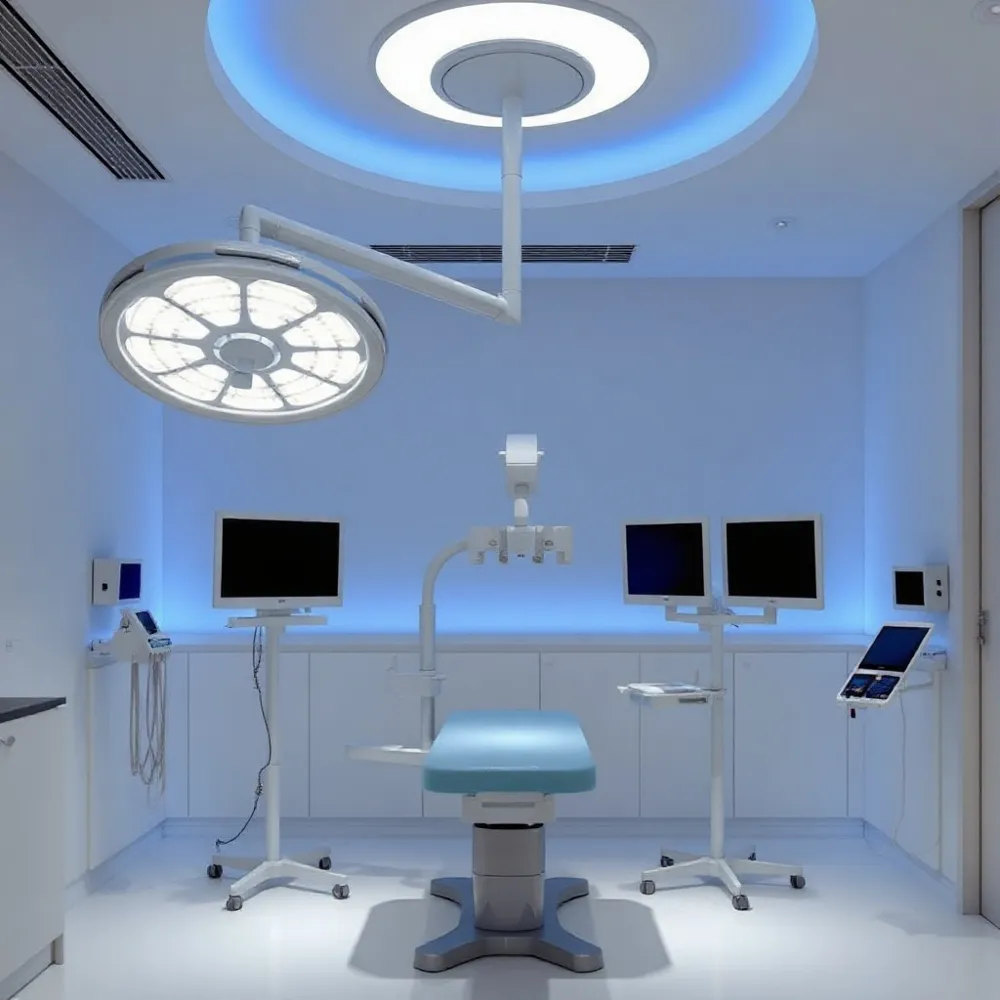 Minimally invasive spine surgery encompasses a variety of procedures designed to treat spinal conditions while reducing trauma to the surrounding tissues. By using specialized tools such as tubular retractors and endoscopes, surgeons can access the spine through much smaller incisions than those required in traditional open surgery.
What are the common types of minimally invasive spine surgery?
Common techniques include microdiscectomies, which address herniated discs, and laminectomies or laminotomies intended to relieve pressure caused by spinal stenosis. Surgeons also frequently perform minimally invasive spinal fusions to stabilize the spine, often utilizing advanced fluoroscopy to maintain precision.
- Kyphoplasty to treat vertebral compression fractures.
- Artificial disc replacement as a motion-preserving alternative to fusion.
- Endoscopic decompressions for targeted nerve relief.
Patients at the Orthopedic Spine Institute of St. Louis benefit from a conservative-first philosophy, where surgery is only considered when non-surgical treatments fail. Unlike facilities that may push immediately for extensive procedures, our team selects techniques that focus on long-term spinal stability and rapid recovery. Whether we are utilizing an advanced endoscopic approach or a targeted decompression, the objective remains centered on restoring your daily function.
Establishing Eligibility for Minimally Invasive Procedures
 The path to better spine health begins with patience and precise diagnostics. Most spine specialists prioritize non-surgical, conservative treatments before considering any invasive procedure. Physical therapy, targeted injections, and medication management remain the gold standard for treating back, neck, and sciatica pain, helping the majority of patients recover without surgery. At the Orthopedic Spine Institute of St. Louis, clinicians utilize these trials not just for immediate relief, but to confirm that a structural issue is the true culprit behind persistent discomfort.
Who is considered a good candidate for minimally invasive spine surgery?
Candidates for minimally invasive spine surgery are typically individuals who have not found sufficient relief through conservative treatments such as physical therapy, medications, or injections. A surgeon must first confirm that the specific source of pain, such as a herniated disc, spinal stenosis, or instability, can be effectively reached through small surgical corridors as detailed by the AAOS. Eligibility is determined by a comprehensive review of your medical history, imaging tests like MRIs or CT scans, and an evaluation of your overall health.
Because every patient's anatomy is unique, surgeons carefully map your spine to ensure the minimally invasive pathway is the safest route for decompressing nerves or stabilizing vertebrae. While minimally invasive spine surgery offers faster recovery, it is not an automatic solution for every imaging finding. A bulging disc seen on an MRI does not always need surgery if it is not the primary cause of your symptoms. A detailed consultation with an orthopedic expert ensures your care plan is tailored to your specific goals and clinical reality.
Evaluating Success Rates and Realistic Outcomes
Minimally invasive spine surgery consistently demonstrates high success rates, with broad research indicating that 80% to 95% of patients experience significant pain relief and functional improvement. For specific procedures like transforaminal lumbar endoscopic discectomy, success rates regarding pain reduction have been reported as high as 90.4%. Clinical outcomes are measured through significant improvements in standardized metrics like the Oswestry Disability Index, which often track a near-normal return to function for most patients. Because these techniques minimize tissue disruption compared to traditional open surgery, they effectively balance high treatment efficacy with reduced surgical risks and faster recovery times.
What is the success rate of minimally invasive spine surgery?
At osistl.com, our approach prioritizes these objective metrics to ensure patients receive realistic expectations for their recovery journey. While traditional procedures often necessitate longer inpatient recovery, modern minimally invasive spine surgery aims to restore mobility with precision. Success is defined by a combination of substantial pain reduction, restored patient independence, and long-term satisfaction rather than a single indicator. Like the AAOS notes, the best outcomes are often found by patients who couple advanced surgical care with structured physical therapy and lifestyle modifications.
Navigating Controversies and Professional Standards in Spine Care
The field of spine surgery currently debates several complex issues, particularly regarding the use of spinal instrumentation in cases where conservative management might be more appropriate. Experts are specifically evaluating the clinical justification for large-scale hybrid surgical constructs, emphasizing the need for better data to standardize when these advanced approaches are truly necessary. There is also ongoing professional friction concerning whether industry-driven marketing influences the frequency of fusion surgeries over simpler decompression techniques.
Are there any controversial aspects currently discussed regarding spine surgery?
The rapid rise of unsubstantiated health advice on social media has created a dangerous trend where patients sometimes pursue elective surgical interventions before exhausting proven, conservative physical therapy options. At osistl.com, clinicians prioritize a rigorous conservative-first approach, recognizing that many individuals with findings on an MRI remain asymptomatic and may not require surgical intervention as noted by the American Academy of Orthopaedic Surgeons. While some practitioners may suggest aggressive options, specialists emphasize assessing whether a patients spine is truly accessible and effectively treated through minimally invasive spine surgery compared to the risks inherent in traditional open procedures.
Transparency in surgical recommendations remains a pillar of reliable practice. Surgeons are focused on balancing the adoption of innovative technologies, like endoscopic spine surgery, with a continued commitment to personalized, patient-first care. By providing clear guidance on when diagnostic imaging justifies intervention, experts aim to reduce unnecessary procedures and ensure that every patient receives a treatment plan tailored to their unique physiological needs rather than external market pressures.
Post-Operative Recovery and Patient Responsibilities
Recovery from minimally invasive spine surgery requires a shift in perspective. Unlike older methods that mandated prolonged bed rest, modern standards emphasize early mobilization. Moving shortly after your procedure is beneficial for maintaining your range of motion and preventing joint stiffness.
What should patients expect during the recovery process after minimally invasive spine surgery?
The recovery process involves adhering to specific post-operative protocols to ensure successful healing. You should expect to manage your recovery through careful medication adherence, wound care, and the avoidance of strenuous tasks like heavy lifting, bending, or twisting. Surgeons typically recommend these precautions for approximately six weeks. Per the advice of experts at the American Academy of Orthopaedic Surgeons, physical therapy and rehabilitation programs serve as critical components for restoring your strength, flexibility, and overall function.
Returning to daily activities is a gradual process rather than an immediate return to pre-injury status. While many patients enjoy a faster recovery time compared to traditional open surgery, it is important to understand that full healing requires patience. Your individualized treatment plan might include light walking or gentle stretching, as these activities help integrate post-operative recovery and patient responsibilities into a sustainable routine. Achieving these milestones relies on active participation in your prescribed rehabilitation program.
Taking the Next Step in Your Spine Journey
Expert-led minimally invasive spine surgery has transformed the quality of care for patients with persistent neck, back, or sciatica pain. By utilizing advanced imaging and surgical tools, surgeons can achieve precise results while prioritizing the preservation of surrounding tissues and enabling faster mobilization.
Every spine condition requires a nuanced approach. While many individuals find relief through conservative methods, professional evaluation helps identify when surgical intervention is the most effective path to restoring function. At osistl.com, we focus on evidence-based care delivered by specialists dedicated to treating each patient as an individual with unique mobility goals. Because every spine specialist brings different training to the operating room, you should prioritize a clear consultation to review your specific clinical needs.
- Review your diagnostic imaging to determine if your pain stems from treatable nerve impingement or structural instability.
- Discuss your long-term mobility objectives to ensure your treatment plan supports the lifestyle you want to maintain.
- Contact osistl.com today to schedule a consultation with Dr. David S. Raskas and begin your personalized treatment journey.